Skip to content

Electronics & gadgets · ecommerce growth

Audio brand marketing agency

Nobody buys headphones from the first page they open. They read two reviews, watch a comparison, check the codec list against their phone and then search the model name with the word deal after it. We build audio stores to be the place that comparison ends: spec-complete product pages, comparison content between your own models that ranks, Shopping listings that carry every identifier, and the flows that sell the second pair, the tips and the case.

The buyer, in brief

Consideration
One to three weeks for a first pair, with reviews and comparison videos in between; shorter for a repeat buyer replacing a worn pair
Purchase frequency
A new pair every two to four years; tips, cables, cases and a second pair for the gym or the office in between
Seasonality
Peaks at Black Friday and the December gifting weeks, with smaller lifts for back to school and for the new-generation launches that reprice the outgoing model
Price band
Wide, from budget earbuds to reference over-ears; the brand store sells the middle and upper bands and its own open-box tier beneath them
Return risk
Fit, comfort and expectation gaps on noise cancelling are the usual reasons; hygiene rules on in-ear products make returns handling stricter than for most electronics
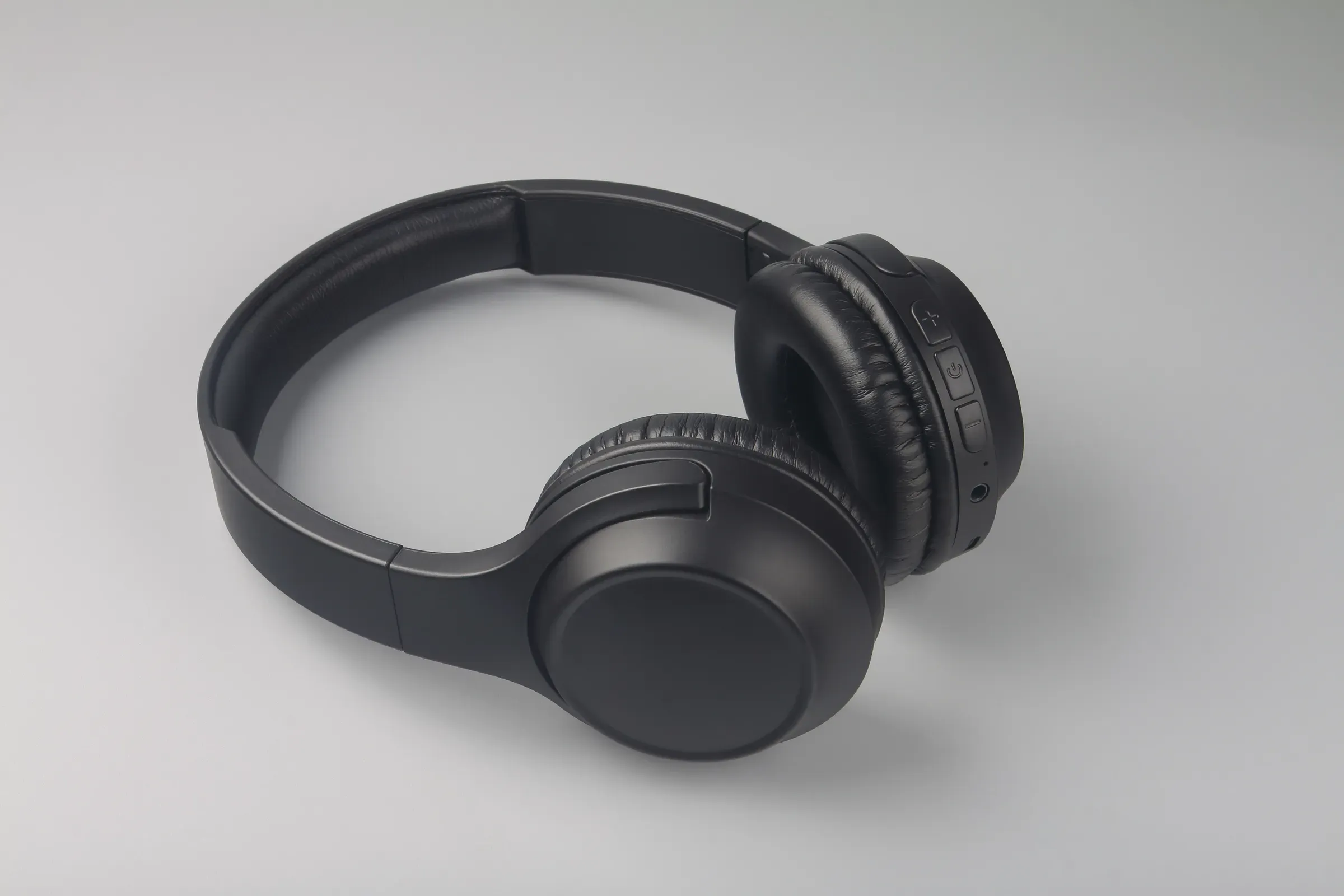
Professional wireless headphones isolated on grey background, headphones & audio ecommerce
Headphones & audioSpec-literate listeners who check codec support against their phone, read at least one review before buying, and compare the price on a marketplace before they add to cart. Trust comes from the full spec sheet, a visible warranty and a returns policy that covers fit.

How headphones & audio makes money

Four levers, and what limits each one here

Revenue is traffic times conversion rate times order value times purchase frequency. In this niche each lever has its own ceiling.

Traffic

Traffic: versus queries and codec pages, not best-of lists

The queries that bring audio buyers are specific: one model against another, a feature with a phone attached (earbuds with LDAC for Android), a use with a constraint (open-ear headphones for cycling), or a plain model number. Best-of lists belong to review publications and a brand store will not take them. What it can take is every query that names its own products, every comparison between models in its own line, and the feature and use-case queries where its catalog has a real answer. Most audio stores have a Headphones collection and a Speakers collection and nothing between them and the product page. The traffic lever is the layer in between: comparison pages, feature collections and use-case collections built as indexable pages with the spec data behind them.

Conversion

Conversion: the spec table and the fit answer decide it

An audio buyer converts when three things are settled on the page: whether the product supports the codecs and features their phone uses, how long the battery lasts with noise cancelling on, and whether it will fit and can come back if it does not. Most product pages carry a feature list written by marketing and put the specification in a PDF or a tab. We move the full spec table into the page as text, add a plain compatibility statement for iPhone and Android, list every tip size in the box, show the fit guide, and put the returns terms for opened in-ear products in plain sight. An open-box tier presented next to the new unit gives the hesitant buyer a lower-risk way in without a discount on the flagship.

Order value

Order value: tips, cables, a case and the second pair

Headphone order value grows with what surrounds the pair. Foam tips in the right size, a longer cable, a hard case, a USB dongle for a phone without a jack, and a stand for the desk are small items that fit naturally beside the product, and a bundle that puts two of them together at a modest saving lifts the basket without touching the flagship price. The second pair is the larger opportunity: a buyer who owns over-ears for the desk often wants earbuds for the gym, and a page that positions the two as a set for different hours of the day sells both. The pages that carry this are the bundle page and the accessory collection filtered by the model the customer owns.

Frequency

Frequency: worn tips, firmware and the next generation

Audio customers come back on three clocks. Silicone and foam tips wear out within months, and a reminder timed to normal use sells a pack the customer would otherwise buy from a marketplace. Firmware and app updates give the brand a reason to write that is not a discount, and each one is a chance to mention the accessory the customer never bought. The long clock is the generation cycle: when the successor launches, the customer who bought the previous model is the most likely buyer of the new one, and a trade-in or loyalty offer sent to that segment on launch day outperforms any broadcast. We segment the list by model owned so each of those messages goes only to the people it fits.

Search visibility

Search demand in audio: model names, features and comparisons

Audio search is dominated by product and comparison intent. People type a model name, two model names with vs between them, a feature with a device (headphones with multipoint for laptop and phone), or a use with a constraint (earbuds for small ears, headphones for sleeping). The page types that carry those queries are the product page with a full spec table, a comparison page for each pair of models in your own line, feature collections (noise cancelling, multipoint, LDAC, wired with mic) and use-case collections (running, travel, office calls) with real copy and the products that qualify.

We map the demand first, then build the pages inside the platform so a feature becomes an indexable collection rather than a filter parameter. Product pages carry driver size, codecs, Bluetooth version, battery hours with and without noise cancelling, weight, IP rating and what is in the box as text, plus Product and Offer structured data that validates against the feed. Reviews on the page come from real customers through a review platform and carry rating markup only when they are genuine.

Technical notes for this catalog: color variants belong on one URL, not several; discontinued models keep their page while search demand and used-market interest remain, with a clear pointer to the successor; and comparison pages need a canonical of their own so they are not folded into one of the products they compare.

Queries that matter

  • model name vs model name
  • noise cancelling headphones with multipoint
  • earbuds with LDAC for android
  • open ear headphones for cycling
  • wired headphones with mic for pc
  • replacement ear tips for a named model
  • headphones for small ears

Comparison pages between models in the brand's own line, spec-complete product pages and feature collections with real copy rank in this niche. Best-of listicles on a brand store do not; review publications own those queries.

AI answers

How assistants answer headphone questions and which stores get named

Shoppers ask an assistant whether a pair supports a codec, how the noise cancelling compares with the previous generation, which model suits small ears, and whether a specific pair works well with a specific phone. The stores that get cited are the ones whose product pages state those facts in plain text that an engine can lift, whose comparison pages set out the differences between models as a readable table with sentences around it, and whose spec sheet, feed and structured data all agree. We write feature and comparison pages answer-first, keep battery and codec claims identical across page, feed and packaging, and confirm the pages are reachable as plain HTML by the crawlers the major assistants use.

Does this pair support LDAC and does it matter on an iPhone?
How does the noise cancelling compare between the current and previous generation?
Which earbuds fit small ears without falling out on a run?
Can these headphones connect to a laptop and a phone at the same time?

Questions shoppers put to assistants. A store gets named when its pages answer them in plain text.

Google Shopping and Merchant Center

Merchant Center for audio: identifiers, variants and the open-box tier

Every branded headphone and speaker has a GTIN, and Google uses it to match the listing to the product it already knows, which decides whether the listing appears in comparison placements at all. The feed carries GTIN, MPN and brand on every item, item_group_id ties color variants together, and product_detail carries the attributes queries contain: codecs, noise cancelling type, battery hours, driver size, Bluetooth version. Titles lead with brand and model, then the form factor and the defining feature, because that is the order in which the query is typed.

Condition is where audio feeds get hurt. Open-box and refurbished units carry the same GTIN as the new unit and must be listed with the condition attribute set honestly and a description that says what was inspected and what warranty applies. Bundles that pair headphones with tips or a case need is_bundle set and their own identifier handling rather than the headphone's GTIN. Prices in this category move weekly, and the feed has to move with them or the price mismatch disapproval follows.

Campaigns are split by margin and condition: the current flagship and mid-range in a campaign bid to margin, the outgoing generation in a campaign that clears stock, open-box in its own campaign with its own return target, and free listings watched as a separate line because they carry real volume for model-name queries.

Feed attributes that decide eligibility

  • gtin, mpn and brand
  • item_group_id for color variants
  • product_detail for codecs, noise cancelling and battery hours
  • condition for open-box and refurbished
  • is_bundle for headphone and accessory sets
  • custom_label for generation and margin tier

Disapprovals we see in this niche

  • Price mismatch after a weekly price change the feed missed
  • Condition set to new on open-box or refurbished units
  • Bundles submitted under the headphone's own GTIN
  • Promotional overlays and award badges baked into product images

Meta and social ads

Social creative for sound the viewer cannot hear

The audio product's main benefit does not travel through a muted feed, so the creative has to show what sound does rather than play it. Noise cancelling demonstrated in a real place with the ambient level shown on screen, a fit sequence that swaps tip sizes until the seal is right, an unboxing that counts what is included, and a creator describing a week of use in their own words all work. Side-by-side shots with the previous generation give the upgrade buyer the reason they were looking for.

Audiences begin with customers and site visitors, then broad prospecting carried by creative, because interest targeting around music and tech is too wide to pay. Catalog ads for retargeting need clean images without badges and titles that read as a sentence. Any music in a creative must be licensed for advertising use, and creators need written rights plus a check that their claims about battery or noise cancelling match the spec sheet.

  • Noise cancelling demonstrated in a real noisy place with the sound level shown
  • The fit sequence: swapping tip sizes until the seal is right
  • Unboxing that counts what is included, tip sizes and cable
  • A creator's week of use in their own words, rights secured
  • Previous generation and current generation side by side

Policy line

Music in ads must be licensed; battery and noise cancelling claims must match the spec sheet; no hearing-health or medical benefit claims; no direct claims about a named competitor's product.

Conversion and the store

The product page that ends the comparison

An audio product page has to answer the questions the reviews raised. Does it support the codec my phone uses. How long does the battery really last with noise cancelling on. Will it fit my ears, and what happens if it does not. What exactly is in the box. Is this price the same as the marketplace's. Most templates answer none of them above the fold. We put a short compatibility statement beside the price, the spec table in the page, tip sizes and the fit guide near the variant selector, and the opened-product returns terms next to the add-to-cart button, so the buyer does not need to open another tab.

The comparison page is the second revenue template. A table of your models with the same rows for each, sentences that say who each one is for, and an add-to-cart on each column keeps the buyer inside the store while they decide. On mobile, the spec table needs to collapse cleanly, the compare view needs to work with two models side by side, and the accessory suggestions belong after the add-to-cart, not before it.

Objections the page must answer

  • “Does it support the codec and features my phone uses”
  • “How long does the battery last with noise cancelling switched on”
  • “Will it fit my ears, and can I return it if the seal is wrong”
  • “What is actually in the box”
  • “Is the price here the same as on the marketplace”

Email, SMS and retention

Flows for an audio brand: setup, fit, worn tips and the next generation

The first message arrives with the parcel and covers app pairing, firmware, the fit test and how to switch noise cancelling modes, because a customer who never finds the seal returns the product. Around the end of the first week a fit check asks whether the tips are right and offers the sizes not in the box. Around a month in, the accessory flow suggests the case, the cable or the second pair for the use the customer has not covered.

Tips wear out, so a replenishment reminder timed to typical use sells a pack the customer would otherwise buy elsewhere. Firmware and feature updates are sent as news to the segment that owns the model, and they earn the right to keep sending. The generation launch flow goes only to owners of the outgoing model, with a trade-in or loyalty offer on launch day. SMS is kept for shipping, restock alerts on a waitlisted color and the launch-day message to previous-generation owners who opted in.

  1. Setup, pairing and fit test

    On delivery

  2. Fit check and tip sizes

    Day seven after delivery

  3. Accessory and second pair

    Day thirty after delivery

  4. Tip replenishment

    Every three to four months, by model

  5. Generation launch and trade-in

    Launch day, to owners of the outgoing model

Where revenue leaks

The leaks we find in headphones & audio stores

The Growth Analysis ranks these against your own numbers and says which to close first.

Get a Growth Analysis for your audio brand
  • Versus searches that land on a review site instead of the brand

    The store has no comparison page for its own two models, so the shopper reads the comparison elsewhere and follows that site's affiliate link to a marketplace.

  • Open-box units listed with the condition set to new

    The refurbished tier shares the new unit's GTIN and inherits its condition in the feed, which leads to disapprovals and, repeated, to an account warning.

  • The spec sheet locked inside a PDF

    Codec, battery and weight figures exist only in a downloadable file, so Google, the assistants and the shopper's quick scan all miss them and the query goes to a retailer that lists them as text.

  • Tips and cables never offered after the sale

    The customer buys replacement tips from a marketplace every few months because the brand never asked, and the marketplace listing shows them a competitor's earbuds while they are there.

Platform notes

Where the platform changes the work

Shopify

The spec table lives in metafields so it renders as text on every product page, powers the comparison page through a metaobject and flows into product_detail in the feed. Color variants stay on one product; open-box units are a separate product with the same GTIN and a condition metafield the feed app maps.

WooCommerce

Global attributes for codec, noise cancelling type and connection carry the feature collections and the archive pages set to index, and the feed plugin must map them to product_detail rather than collapsing them into the description.

Headless

The comparison view and the spec table must render server-side so the comparison content is in the HTML the crawlers receive, not assembled in the browser after load.

Questions

Headphones & audio owners ask us

By CartKernel · Last reviewed

Can a headphone brand rank for best-of queries against review publications?

Rarely, and it is not where the growth is. Review sites own the best-of lists because they compare many brands. A brand store can own every query that names its models, the comparisons between its own models, and feature and use-case searches where its catalog has a real answer. We build for those and treat the listicles as a place to earn coverage rather than a page to publish.

How should open-box and refurbished headphones be listed in Merchant Center?

As their own items with the original GTIN, the condition attribute set to refurbished, and a description that states the grade, what was inspected and the warranty that applies. They should never inherit the new unit's condition through a shared feed row. We keep them in their own Shopping campaign with a separate return target so they do not distort the flagship's bids.

Which specifications belong on a headphone product page as text?

Driver size and type, supported codecs, Bluetooth version, multipoint support, noise cancelling type, battery hours with and without noise cancelling, charge time, weight, IP rating, tip sizes included, cable and case included, and the warranty length. In a table, in the HTML, and consistent with the feed. Feature prose written by marketing goes above the table, not instead of it.

Should our own two headphone models have a versus page on our site?

Yes. A buyer choosing between two of your models is the easiest sale you have, and if the store does not host that comparison a review site or a marketplace will. Each pair of models that people compare gets a page with the same rows for both, a plain paragraph on who each suits, and an add-to-cart on each. They also earn the versus queries in search.

Do Meta ads work for a product people cannot hear through the ad?

They do when the creative shows what the sound does rather than trying to play it: noise cancelling demonstrated in a real place, the fit sequence, an honest unboxing, a creator's week with the product. Broad audiences carried by that creative outperform interest targeting in this category. We report Meta on new customers and store revenue, not the platform's purchase count.

What retention is realistic when people replace headphones every few years?

More than most audio brands collect. Tips and cables wear out within months, a second pair for a different use is a natural sale, and the owner of the previous generation is the best buyer of the next one. Segmenting by model owned and timing messages to those three clocks turns a one-purchase relationship into three or four over the life of the product.

Grow your headphones & audio store.

A free Growth Analysis ranks what your store should fix first, by revenue at stake, in about a week.