Industry
Footwear ecommerce marketing agency
Shoes are bought by people who cannot try them on, so every footwear store online is really selling confidence in a size. Width, half sizes, how a particular last runs and what happens when the box arrives and the fit is wrong decide conversion and margin more than any campaign does. Growing a footwear brand means owning the size and fit queries, giving Shopping the size attributes it insists on, keeping returns inside the margin and bringing the customer back when the pair wears out. We do that work inside the store.
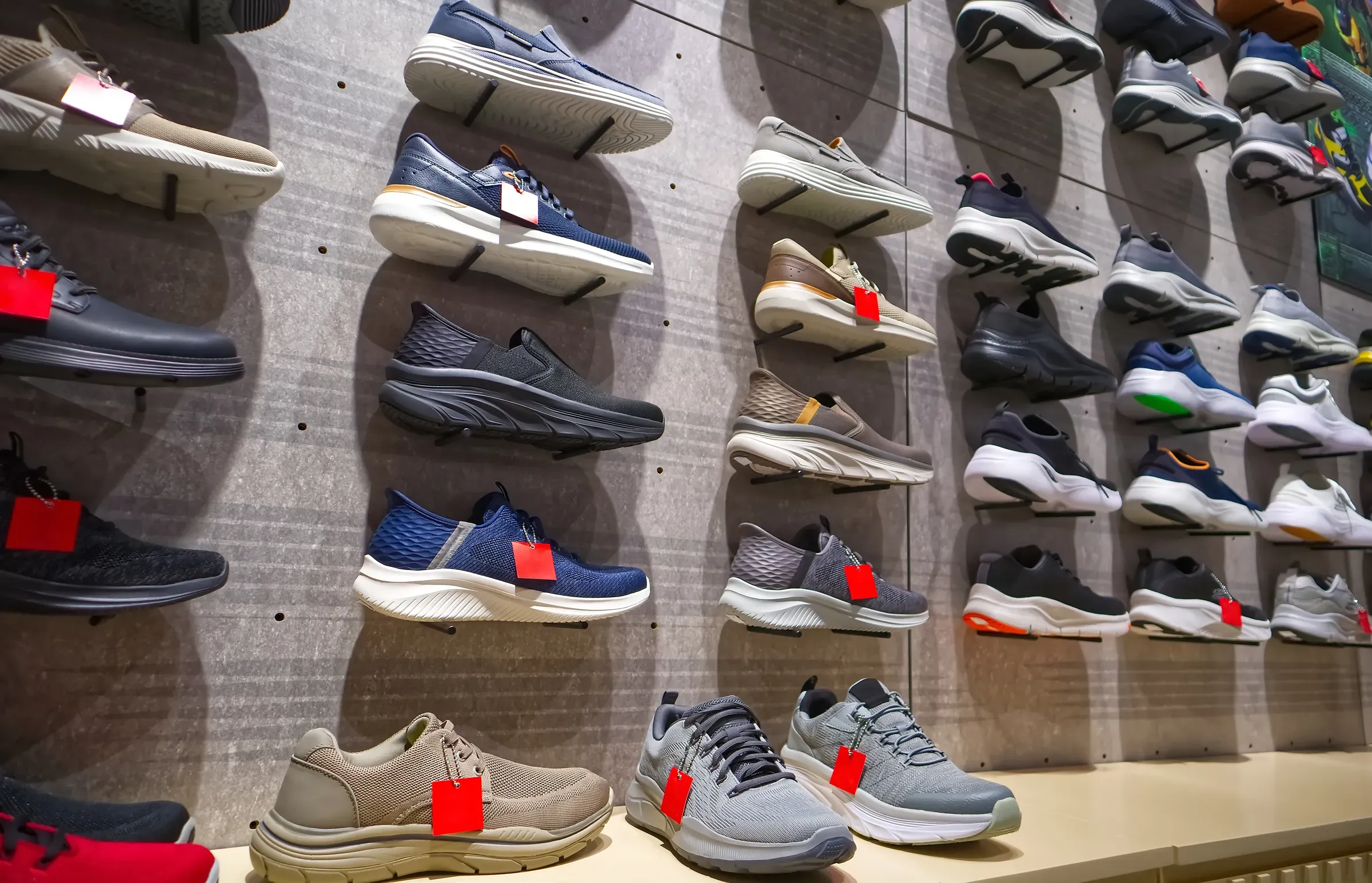
What is different here
Fit is the whole problem in footwear, and it shapes every channel. A shopper who is unsure between two sizes either leaves, orders both and returns one, or buys from the retailer whose size chart they already trust. The return is not a customer-service detail; it is a shipping cost paid twice, a pair that may come back creased or unsellable and a margin line that can turn a profitable ad campaign into a loss. So the first work in this industry is fit content: a size chart that is specific to the last rather than copied from a supplier, a plain statement of whether the model runs long, short or narrow, a width scale explained in the shopper's own units and an exchange path that is easier than a refund.
The product feed is where footwear stores lose visibility without noticing. For apparel and shoes sold into the United States and several other markets, Merchant Center requires colour, size, gender and age_group on every offer, and it expects size_system to say which scale the size uses. Every size and colour of one model has to share an item_group_id so Shopping shows one listing with variants rather than thirty competing ones. Width is the awkward part: size_type carries values such as regular and plus but not wide, so width belongs inside the size value itself. Stores that leave any of this out see their listings limited or disapproved by the size, and a shoe listing that cannot say what size it is barely serves.
Seasonality and replacement cycles differ by category more than in most industries, which changes how retention is timed. Boot demand rises with the first cold week and falls by February. Sandal demand is compressed into a few months and ends with a clearance. Running shoes wear out by distance, kids' shoes by growth, work boots by the job and slippers by the gift calendar. A single monthly newsletter suits none of these. We time replenishment and reactivation flows to the wear cycle of each product, report exchange rate and refund rate as separate lines and treat the size recorded on the first order as the most valuable piece of first-party data the store owns.
The niches below carry the specifics, because a sneaker brand that sells out in minutes and an orthopedic brand that answers heel-pain questions have almost nothing in common beyond the word shoe. Each page sets out who buys, what they search, what the feed needs, what the ad policies allow, where revenue leaks and which flows bring the customer back.
The size chart is a revenue page
A shopper who trusts the chart buys one pair and keeps it. A shopper who does not either leaves or orders two. Fit content specific to each last, stated in plain terms, does more for contribution margin than most redesigns.
Returns decide whether ads can pay
A footwear campaign that looks profitable at the order stage can lose money once refunds, return shipping and unsellable pairs are counted. We report campaign performance after returns, not before, and treat exchange rate as a marketing metric.
Shopping requires attributes most feeds skip
Colour, size, size_system, gender and age_group are required for shoe listings in the main markets, and variants must share an item_group_id. Width has no dedicated attribute and has to live inside the size value.
Every category wears out on its own clock
Running shoes by mileage, kids' shoes by growth, boots by season, work boots by the job. Repeat purchase flows have to be timed to that clock rather than to a calendar, and the size on file makes the reminder specific.
Niches
Pick the page written for your store
Each page sets out how that niche makes money, what ranks, what the feed needs, what the ad policies allow and where revenue leaks.
Most used here
Services footwear brands lean on
Questions
Footwear owners ask
By CartKernel · Last reviewed
Other industries: Automotive & powersports, Baby & kids, Bags, luggage & travel gear, Beauty & skincare, Books, stationery & paper, CPG & household, or browse all industries.
Which footwear categories do you work with?
Sneakers, boots, sandals, kids' shoes, orthopedic and comfort footwear, work boots, running shoes, custom and made-to-order shoes, vegan footwear, dance shoes, slippers, wide-fit shoes, socks, and insoles and orthotics, all sold direct to consumers online. Each has its own page below with the sizing, feed, policy and retention specifics that make it different.
How do you reduce return rates for an online shoe store?
By fixing the reasons people order the wrong size. That means a size chart built from the actual last, a plain note on whether a model runs long or narrow, width explained properly, photos that show the shape of the toe box and an exchange flow that is easier than a refund. We then report refunds and exchanges separately so you can see which fix worked.
Why are my shoe listings limited or disapproved in Merchant Center?
Most often because a required apparel attribute is missing. Shoe offers in the main markets need colour, size, gender and age_group, and size_system tells Google which scale the size uses. The other common cause is variants submitted without a shared item_group_id, so each size competes with the others and the whole model looks like duplicates.
Can footwear ads on Meta and Google mention foot conditions?
Only carefully. Meta's personal attributes policy stops an ad from implying the viewer has a condition, and Google's healthcare policies catch treatment claims in feeds and ads. Comfort and orthopedic brands can describe features such as depth, arch support and removable insoles, and can put condition guidance on the site itself, but the ad has to describe the shoe rather than diagnose the reader.
What does a footwear brand see in monthly reporting?
Revenue by channel with brand and non-brand separated, contribution margin after ad spend and after returns, refund rate and exchange rate as two lines, revenue per session by template, and repeat purchase rate timed against the wear cycle of the category. Everything reconciles to orders in the platform rather than to ad platform claims.
Grow a footwear store.
A free Growth Analysis ranks what your store should fix first, by revenue at stake.