Industry
Auto parts ecommerce marketing agency
Nothing sells in this industry until the buyer is sure the part fits. People arrive with a year, a make, a model, an engine size and often a number stamped into the component they just removed, and they leave the second a page cannot confirm the match. Fitment data is therefore the spine of the catalog, the feed and the ad account rather than a filter bolted on at the end. We build that layer, the pages it generates, the feed it populates and a checkout that survives freight, cores and heavy boxes.
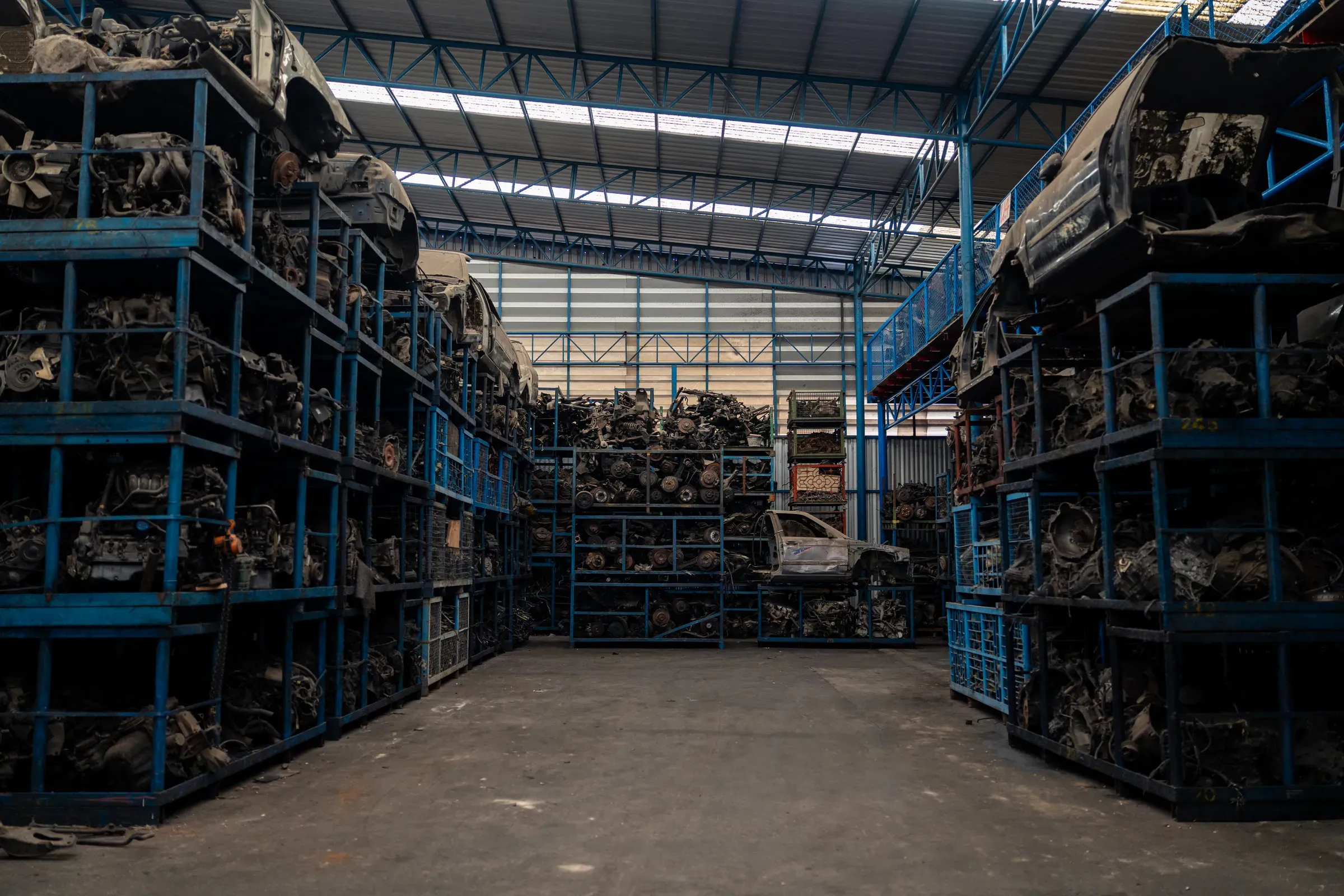
What is different here
The catalog in automotive is not a list of products, it is a relationship between products and vehicles. One brake rotor can fit two hundred vehicle combinations and one vehicle can take four different rotors depending on trim, brake package and build date. Stores that treat this as a filter widget end up with a handful of crawlable pages sitting on top of tens of thousands of real searches. Stores that treat it as content generate a page for every combination worth having, list the fitment as readable text, and link the part number page to the vehicle page and back. That single structural decision separates the parts sellers who own their long tail from the ones renting traffic from marketplaces.
Numbers are the vocabulary here in a way they are in almost no other industry. Shoppers search an OEM number, a supplier number, an interchange number and a casting number for the same component, and manufacturers supersede those numbers without warning. A store that redirects retired numbers, keeps the old ones searchable and shows cross references on the page catches demand that competitors let 404. The same discipline pays in the feed: MPN and brand together do the identifying work for aftermarket parts that never carried a barcode, and inventing an identifier to fill a required field causes more damage than declaring honestly that none exists.
Google reads product data, not fitment tables. Merchant Center has no attribute that carries a list of compatible vehicles, so the fit has to survive inside the title, the product detail attributes and the landing page itself, which is why parts feeds need writing rather than exporting. Weight and dimensions matter more than usual because so much of this catalog ships as freight: bumpers, wheels, exhaust systems, lower units, lift kits and batteries all carry shipping rules that a default flat rate cannot express. Getting shipping settings and product weights right in Merchant Center prevents a class of disapprovals that quietly removes the highest-value products from Shopping.
Seasons and events set the calendar. Tire changeover runs twice a year and compresses months of demand into weeks. Riding, boating and off-road seasons open and close on the weather. Cold snaps sell batteries, road salt sells suspension and brake work, and a long weekend sells towing gear. Retention follows the machine rather than the person, so the vehicle saved in the customer account is worth more than any list segment, and flows built around maintenance intervals and season prep beat a monthly newsletter. Cores, warranties and wrong-fit returns all need their own reporting, because gross revenue in this industry overstates what actually stays in the business.
The niche pages below carry the specifics. A tire retailer lives on installer logistics and two seasonal peaks; a classic parts specialist lives on single-quantity inventory and casting numbers; a golf cart parts store lives on helping owners identify a machine that has no badge left on it. Each page sets out how that niche makes money, what ranks, what the feed needs, what the ad policies allow and where revenue leaks out.
Fitment is the catalog
Product to vehicle relationships decide which pages exist, which filters can be indexed and which queries you can win. Treating fitment as a database that generates pages, rather than as a widget, is the highest-leverage change most parts stores can make.
Part numbers are queries
Buyers type OEM numbers, supplier numbers and interchange numbers for the same component. Keeping superseded numbers searchable, redirecting retired ones and showing cross references on the page catches demand that otherwise lands nowhere.
Freight and cores change the arithmetic
Heavy and oversized items carry surcharges, liftgate fees and residential rules, and remanufactured parts carry a deposit that comes back only if the old unit does. Neither shows in headline revenue, and both decide whether a category is worth advertising.
Returns are usually a data problem
The dominant return reason is a part that did not fit, which traces back to a fitment record, a photograph or a required hardware note rather than to the customer. Fixing the data upstream is cheaper than paying for the return twice.
The machine outlives the campaign
Retention is organised around the vehicle, not the person. A saved year, make, model and engine turns a one-time repair buyer into a maintenance customer, and it makes every email and every product recommendation specific enough to act on.
Niches
Pick the page written for your store
Each page sets out how that niche makes money, what ranks, what the feed needs, what the ad policies allow and where revenue leaks.
Most used here
Services automotive & powersports brands lean on
Questions
Automotive & powersports owners ask
By CartKernel · Last reviewed
Other industries: Baby & kids, Bags, luggage & travel gear, Beauty & skincare, Books, stationery & paper, CPG & household, Electronics & gadgets, or browse all industries.
Which automotive and powersports niches do you work with?
Auto parts, tires and wheels, interior and exterior accessories, performance and tuning parts, motorcycle gear, RV and camper accessories, truck and off-road accessories, detailing products, marine parts, classic car parts, car audio, towing equipment, golf cart parts and ATV or UTV parts, sold online. Each has its own page with its search demand, feed requirements and seasonal shape.
Do you need our fitment data before you can do anything?
We need to know what you have and where it comes from. Some stores license a full fitment catalog, some maintain their own spreadsheets, some rely on a supplier feed. We audit what exists, find where it is incomplete or contradicts the product page, and build the page structure and feed logic on top of whatever is actually reliable rather than assuming a clean dataset.
How do you keep thousands of vehicle pages from being thin content?
By only generating a page where there is real demand and real inventory behind it, and by giving each one something a template cannot produce: the specific parts that fit, the notes and exceptions for that application, the hardware usually needed alongside, and answers to the questions that vehicle attracts. Pages with nothing to say are not published, and combinations with no stock are consolidated upward.
Can heavy and oversized parts be advertised on Google Shopping?
Yes, provided the shipping data is honest and complete. Weights and dimensions belong on every product, shipping settings need rules for freight, liftgate and residential delivery, and any handling time for a drop-shipped item should be declared. Most trouble in this category comes from shipping cost mismatches between the feed and the checkout rather than from the products themselves.
What do you report each month for an automotive store?
Revenue by channel with brand and non-brand separated, contribution margin after ad spend, freight and returns, revenue per session by template, wrong-fit return rate, core return rate where it applies, and repeat purchase rate by saved vehicle. Everything reconciles to orders in the platform rather than to platform-reported conversions.
Do you work on Shopify and WooCommerce for parts catalogs?
Yes, and on BigCommerce and headless builds. Large fitment catalogs push every platform in different places, so part of the early work is deciding what the platform should hold, what belongs in a separate data source and how pages are generated from it. We build that inside the store rather than handing your developer a specification.
Grow a automotive & powersports store.
A free Growth Analysis ranks what your store should fix first, by revenue at stake.