Skip to content

Beauty & skincare · ecommerce growth

Clean skincare marketing agency

Clean skincare is bought by people who read the back of the bottle before the front. They search by what is left out, they check certifications before they trust a claim, and they buy a travel size before they commit. We build the growth system around that behaviour: ingredient and free-from pages that rank, ads that pass the health-claim policies, and a retention loop that turns the sample into the full-size order.

The buyer, in brief

Consideration
Days to a few weeks for a first purchase, shortened by samples and discovery sets
Purchase frequency
Cleansers and moisturisers every one to two months, serums and treatments every two to three months
Seasonality
Steady year round with a lift around gifting and a shift toward richer textures in winter and SPF-adjacent products in spring
Price band
Mid to premium, with the first order often a smaller size or a set
Return risk
Low in volume but sensitive: reactions and scent are the usual reasons, and a good first-use email prevents most of them
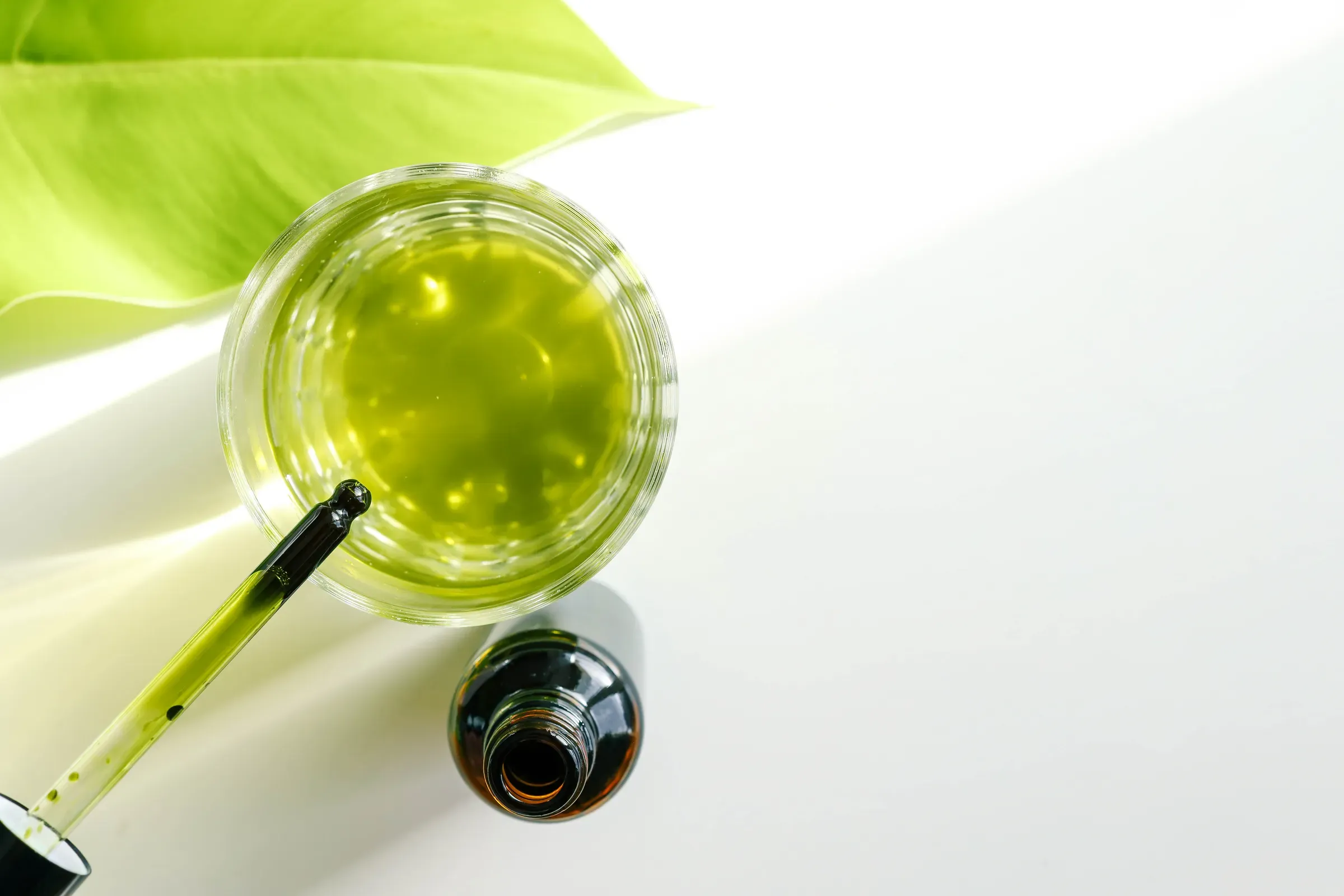
Minimalistic composition with a green glass dropper, natural oil in a transparent dish, and a large green, clean skincare ecommerce
Clean skincareIngredient-literate shoppers, often with sensitive or reactive skin, who avoid specific ingredients and look for third-party marks such as EWG Verified, Leaping Bunny or COSMOS before trusting the word clean.

How clean skincare makes money

Four levers, and what limits each one here

Revenue is traffic times conversion rate times order value times purchase frequency. In this niche each lever has its own ceiling.

Traffic

Traffic: free-from and ingredient searches, not the word clean

The word clean has no legal definition, so the searches that convert are more specific: fragrance-free moisturiser for sensitive skin, paraben-free serum, mineral versus chemical, and the name of the hero ingredient with a product type after it. Most clean brands have one collection page called Skincare and a blog about wellness, which leaves all of that demand to marketplaces. The traffic lever here is a catalog structure that gives every free-from claim, skin concern and ingredient its own indexable page with real product data behind it, plus Shopping listings that carry the same attributes.

Conversion

Conversion: the ingredient list is the sales page

A clean skincare shopper reads the full ingredient list, checks what the brand means by clean, and looks for the certification mark. If any of the three is missing or buried under a tab, they open a new browser tab and check a third-party database instead, and many never come back. Conversion work in this niche is mostly about putting the INCI list, the free-from statement, the skin-type fit and the patch-test guidance on the product page in plain view, then offering a smaller size or a discovery set so the first order carries less risk.

Order value

Order value: routines, not upsells

Order value grows when the store sells a routine rather than a product. A cleanser, a serum and a moisturiser that are formulated to work together, presented as a set with a small saving, raises the average basket without the discount games that cheapen a premium brand. Refill pouches and full-size versions of a sampled product do the same job later in the relationship. The pages that carry this are the routine builder and the set page, and both need their own search demand mapped, because people search for skincare routine for dry skin far more than for any single serum.

Frequency

Frequency: replenishment timed to the bottle

Purchase frequency in clean skincare is decided by whether the second bottle arrives before the first one runs out. A cleanser lasts around six weeks, a serum longer, and the customer rarely notices until the pump sputters. Replenishment emails and subscription offers timed to the actual size and usage of each product beat a monthly newsletter every time. The other frequency driver is the sample: a discovery set customer who is walked toward the full size within the first three weeks becomes a repeat buyer far more often than one left to remember on their own.

Search visibility

Search: ingredient pages, free-from filters and skin-concern collections

Clean skincare ranks on structure. The category queries are concern-led (moisturiser for sensitive skin, serum for redness) and ingredient-led (niacinamide serum, squalane oil), and each needs a collection page with real copy, a product grid filtered by the attribute, and internal links from the products themselves. We map that demand to the catalog first, then build the pages inside the platform so filters like fragrance-free or vegan become indexable collections rather than parameter URLs that Google ignores or, worse, indexes by the thousand.

Ingredient glossary pages are the second layer. A page for each hero ingredient that explains what it does, who it suits, what it should not be combined with, and which of your products contain it earns links, ranks for informational queries and feeds the product pages with authority. Product pages themselves need the full INCI list as text, a clear free-from statement, skin-type fit, usage and patch-test guidance, and Product and Offer structured data that validates.

Technical work is about controlling variants and sizes. A 30 ml and a 100 ml of the same serum should be one product with size variants, not two indexable URLs, and discovery sets need their own pages that link out to every full-size product they contain.

Queries that matter

  • fragrance-free moisturiser for sensitive skin
  • paraben-free face serum
  • clean skincare brands
  • niacinamide serum without fragrance
  • vegan cruelty-free skincare
  • skincare routine for reactive skin
  • what does clean beauty mean

Concern and ingredient collections with substantial copy, ingredient glossary pages, and honest comparison content (mineral versus chemical, fragrance-free versus unscented) rank in this niche. Thin collections with a heading and a grid do not.

AI answers

AI answers: what assistants get asked about clean skincare

Shoppers now ask an assistant whether a product is safe for rosacea, whether a serum contains fragrance, or what the difference is between clean and natural. The stores that get named are the ones whose pages state ingredients, exclusions and skin-type fit in plain text an engine can quote, whose Organization and Product markup agree with their Merchant Center feed, and whose About page says clearly who makes the product and where. We write the ingredient and free-from pages answer-first, keep certification claims consistent everywhere they appear, and check that the crawlers behind the major assistants can reach the pages as plain HTML.

Is this serum fragrance-free and safe for rosacea?
What is the difference between clean skincare and natural skincare?
Which clean moisturisers are EWG Verified?
Can I use niacinamide and vitamin C together?

Questions shoppers put to assistants. A store gets named when its pages answer them in plain text.

Google Shopping and Merchant Center

Google Shopping and Merchant Center for clean skincare

Skincare feeds live or die on identifiers and attributes. Products with a manufacturer barcode need the GTIN, and own-brand products without one must set identifier_exists to false rather than inventing a code. Titles should carry the product type, the hero ingredient, the skin concern, the size and the free-from claim in that order, because those are the words the query contains. Product_detail attributes carry the ingredient highlights and the certifications; product_highlight carries the three things a shopper would say about the product; google_product_category should sit at the specific skincare node, not at Health and Beauty.

Policy is where clean brands get hurt. Claims that a product treats acne, eczema or rosacea move the listing into the healthcare policies and can trigger disapproval or account-level warnings. The words clinically proven or dermatologist recommended need the substantiation to exist on the page. We rewrite titles and descriptions so they describe the product and its ingredients rather than a medical outcome, and we keep the feed price, the page price and any sale price in step, because price mismatch is the most common disapproval in the category.

Campaigns are structured by margin and size: discovery sets and travel sizes in a campaign that accepts a lower return because it acquires, full sizes and refills in a campaign bid to margin, and free listings switched on and monitored as their own line.

Feed attributes that decide eligibility

  • gtin or identifier_exists
  • product_detail for ingredients and certifications
  • product_highlight
  • size and size_type
  • google_product_category at the skincare node
  • custom_label for set versus full size

Disapprovals we see in this niche

  • Healthcare policy flags for treat, cure or condition language
  • Price mismatch between feed and page after a promotion
  • Missing or incorrect GTIN on products with a retail barcode
  • Image policy for overlays, badges and before-and-after

Meta and social ads

Meta and social ads: creative that survives the policy review

Meta creative in skincare is bounded by policy before it is bounded by taste. Before-and-after images, ads that imply the viewer has a skin problem, and claims about treating a condition are the three fastest routes to a rejected ad or a restricted account. The creative that works inside those rules shows texture and application, lists what is not in the formula, walks through a routine step by step, and lets customers describe their own experience in their own words.

Audiences start with your own customers and website visitors, then broad prospecting with strong creative, because interest targeting in beauty is too crowded to be efficient. Catalog ads work for retargeting when the feed images show the product cleanly and the titles read naturally. UGC needs written rights and a check that the creator has not made claims the brand cannot support, since the brand is responsible for what runs in its account.

  • Texture and application close-ups with the ingredient named on screen
  • What is not in it: the free-from list as the whole ad
  • A three-step routine for one skin concern, filmed in real light
  • Customer testimony in the customer's own words, with rights secured
  • Founder explaining one formulation decision

Policy line

No before-and-after, no personal attributes (do not imply the viewer has acne or wrinkles), no treatment or cure claims, no images that show skin conditions in an idealised or negative way.

Conversion and the store

The store: objections a clean skincare page has to answer

The product page carries the revenue in this niche and it has to answer five objections before the add-to-cart button matters: what exactly is in it, what is left out and why, will it suit my skin type, how do I use it and in what order, and what happens if I react to it. Most templates hide the ingredient list behind a tab and the returns policy behind a footer link. We move both into view, add a skin-type fit block and a how-to-use sequence, and place the certification marks where a shopper looks for them.

Discovery sets and travel sizes belong on every full-size page as the lower-risk option, and the reverse is true on the set page. A short skin quiz that recommends a routine converts well when it asks about concern and sensitivity rather than about age, and when the result page is a real routine with a set price. On mobile, the sticky add-to-cart bar, the variant selector for size and the shipping and returns proximity decide more than any redesign.

Objections the page must answer

  • “What is in it and what is deliberately left out”
  • “Will it suit sensitive, reactive or acne-prone skin”
  • “How do I use it and in what order with what I already own”
  • “What happens if my skin reacts”
  • “Is the certification real and who verified it”

Email, SMS and retention

Email and SMS: sample to full size, then the bottle clock

The flows that pay in clean skincare follow the product through the bathroom. The first-use email arrives with the parcel and covers patch testing, order of application and what a normal adjustment looks like, which prevents most reaction returns. The sample-to-full-size flow starts around day ten for discovery set buyers, when they have formed an opinion but still have product left, and it recommends the full size of the product they will run out of first.

Replenishment is timed to the bottle: a cleanser reminder at five to six weeks, a serum at eight to ten, adjusted by the size bought. Subscription offers sit inside those reminders rather than on the product page, where they distract a first-time buyer. Education series on ingredients earn the right to keep sending, and SMS is reserved for restocks, shipping updates and the replenishment nudge for customers who opted in. Win-back flows should mention the ingredient the customer bought, not a generic discount.

  1. First-use and patch test

    On delivery, before the first application

  2. Sample to full size

    Day ten to day twenty-one after a discovery set order

  3. Replenishment

    Five to six weeks for cleansers, eight to ten for serums, by size

  4. Ingredient education

    Weekly for four weeks after the first order

  5. Win-back

    Two cycles after the last expected replenishment

Where revenue leaks

The leaks we find in clean skincare stores

The Growth Analysis ranks these against your own numbers and says which to close first.

Get a Growth Analysis for your clean skincare brand
  • Discovery set buyers who never see a full size

    The set converts a nervous first buyer, then nothing follows. Without a timed sample-to-full-size flow the customer finishes the trial, forgets which product they liked and buys the category again somewhere else.

  • Free-from filters that Google cannot index

    Fragrance-free, vegan and paraben-free exist only as filter parameters, so the exact queries the niche is built on land on a generic collection or on a marketplace.

  • Ads rejected for claims nobody meant to make

    A product description that says calms eczema-prone skin trips the healthcare policies in Meta and Merchant Center at once, and the account sits in review while the season passes.

  • Ingredient lists hidden under a tab

    The one thing this shopper must read is a click away, so they check a third-party database in another tab and often buy there.

  • Feeds without product_detail and highlights

    The feed carries a title and a price but none of the ingredient or certification attributes, so Shopping shows the product for fewer of the queries it should win.

Platform notes

Where the platform changes the work

Shopify

Ingredient lists, free-from statements and certification marks live in metafields so they render on every product page and flow into the feed through product_detail. Shopify Subscriptions or a subscription app handles replenishment; collections built from tags make free-from filters indexable.

WooCommerce

Global attributes for skin type, concern and free-from claims power both the filters and the attribute archive pages that can be set to index; the feed plugin needs to map those attributes to product_detail rather than dropping them.

BigCommerce

Custom fields carry the INCI list and certifications, and the native faceted search needs canonical rules so filtered URLs do not multiply in the index.

Questions

Clean skincare owners ask us

By CartKernel · Last reviewed

Can you run Meta ads for skincare with active ingredients like retinol or acids?

Yes, within the policies. The creative describes the product, its ingredients and how to use it, and avoids before-and-after images, personal attributes and treatment claims. We review every ad against the current policy text before it goes live and keep documentation for any efficacy statement the brand wants to make.

Does calling a product clean cause problems in Merchant Center?

The word itself does not. Problems come from claims that imply a medical outcome, from certification claims that are not backed on the page, and from prices that differ between the feed and the site. We write feed titles and descriptions around ingredients and product type, and keep any certification claim exactly as the certifier words it.

How do ingredient and free-from pages get built inside Shopify?

As real collections with their own copy, built from product tags and metafields rather than from filter parameters, and linked from the product pages that carry the ingredient. Each gets a plain-language explanation of the ingredient or the exclusion, the products that qualify, and answers to the questions shoppers ask about it.

Is a skin quiz worth adding to a clean skincare store?

Usually, when it asks about concern and sensitivity rather than age and lands on a routine with a set price. A quiz that ends on a generic collection page adds friction without a payoff. We test the quiz against the routine page directly and keep whichever produces more revenue per visitor.

How long until organic traffic moves for a clean skincare brand?

Technical and structural fixes show in crawl and indexation data within a few weeks. Concern and ingredient collections typically start ranking over three to six months, and ingredient glossary pages can move faster because the competition is thinner. Anyone promising a faster organic timeline is describing paid traffic.

Do you handle subscriptions and replenishment for skincare?

Yes. We time replenishment flows to each product's size and usage, place subscription offers inside those flows rather than on the first-purchase page, and report subscription revenue, churn and the sample-to-full-size rate separately so you can see whether retention is actually working.

Grow your clean skincare store.

A free Growth Analysis ranks what your store should fix first, by revenue at stake, in about a week.