Skip to content

Books, stationery & paper · ecommerce growth

Art print brand marketing agency

Art prints are chosen by eye and then justified by specification. Someone saves an image weeks before they buy, then needs to know the paper, the exact dimensions, whether the color will hold against what they saw on a screen, and how it will look on a wall the size of theirs. We build for both halves of that decision: image and room-led discovery that search can actually read, a variant structure that stops a print catalog collapsing into thousands of near-identical pages, and framing offers that lift the order at the moment of choice.

The buyer, in brief

Consideration
Weeks between first saving an image and buying, then minutes once the size question is settled
Purchase frequency
Occasional, rising sharply when a room is being finished or a gallery wall is being built
Seasonality
Gift season and the new year decorating window are the peaks, with moving season adding a summer lift
Price band
Low for open edition posters, mid to high once framing or a limited edition is involved
Return risk
Moderate, driven by size misjudgment and color expectation, both of which better imagery reduces
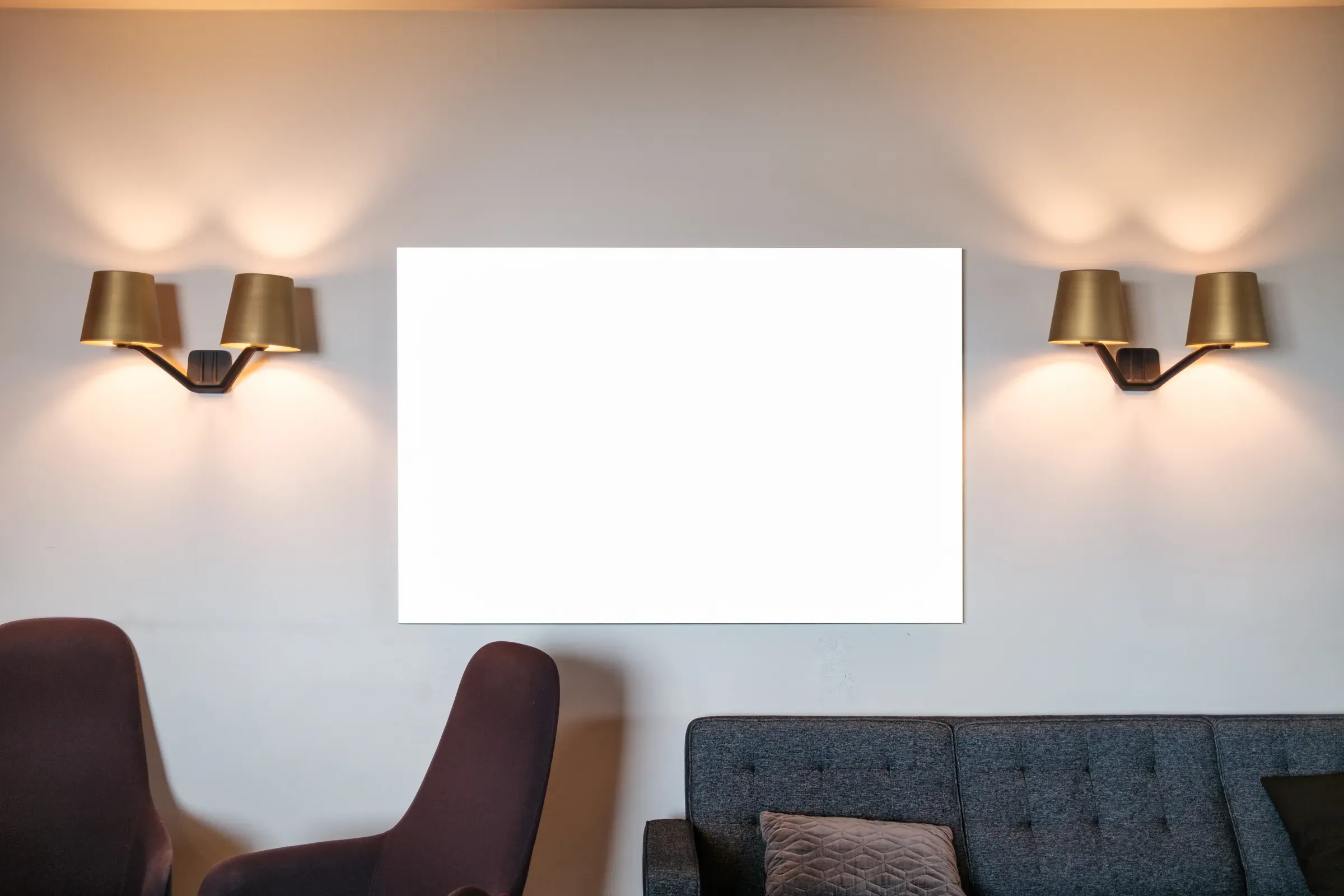
Scandinavian living room with blank white wall art, warm lighting and modern furniture, art prints & posters ecommerce
Art prints & postersPeople decorating one specific wall, gift buyers and collectors, who measure against furniture, compare paper stock and finish, want to see the piece in a room before committing, and check edition size and signing on limited runs.

How art prints & posters makes money

Four levers, and what limits each one here

Revenue is traffic times conversion rate times order value times purchase frequency. In this niche each lever has its own ceiling.

Traffic

Traffic: rooms, styles and the image itself

Demand here arrives through pictures. People search for a look rather than a product, so the queries name a room, a style, a color palette, an orientation or a subject, and a large share of discovery happens in image results and on visual platforms where the picture is the listing. Most print stores publish a grid of artwork with no text, which gives search nothing to read and gives an assistant nothing to quote. The work is building collections by room, style, color and orientation with genuine copy, naming and describing every image file properly, and treating image search as a channel with its own requirements rather than as a side effect of having photographs.

Conversion

Conversion: scale and color decide it

Two doubts stop this purchase. How big is it really, and will the color look like the screen. Both are solvable on the page. A room mockup with the wall width stated, a size comparison against a sofa or a door, and the print shown at more than one size answer the first. An honest note about screen variation, a close photograph of the paper texture, and a description of the finish answer the second better than any promise of perfect accuracy. Framing preview matters too, because a buyer choosing between framed and unframed is really asking what it will look like hanging, not what the frame costs.

Order value

Order value: the frame and the rest of the wall

An unframed print is a low order that still needs careful, rigid packaging, so framing is the difference between a marginal sale and a good one. Offering frame options on the product page, with a preview and a plain explanation of what arrives ready to hang, converts a substantial share of buyers who would otherwise plan to frame it themselves and never get round to it. Beyond framing, the natural attachment is the set: a triptych, a gallery wall grouping with a suggested layout, or a second piece in the same palette. Hanging kits, mounts and mats are small additions that make the parcel worth shipping.

Frequency

Frequency: the wall is rarely finished

The strongest repeat signal in this niche is a room half done. Someone who bought one print for a hallway is a candidate for a second, and a gallery wall buyer will usually add to it over months. That makes post-purchase content, showing arrangements and suggesting companions in the same palette, more effective than a general newsletter. Artists with a following add a second cycle: collectors who follow a name want to know about new work and limited drops before anyone else, which turns a slow decorative purchase into something closer to a release schedule with a waiting list attached.

Search visibility

Search: collections by room, style and color, and images that can be read

Collection structure is the whole organic strategy in this niche. Rooms, styles, palettes, orientations, subjects and sizes each carry search demand, and each deserves a page with real writing about what suits that context, not just a filtered grid. A page about art for a narrow hallway can explain proportion and eye level and then show the pieces that fit, which is the kind of page that both ranks and converts. Artist pages do the same job for names people search deliberately.

Print on demand creates the biggest technical risk here. A catalog of thousands of designs with generated titles produces thin, near-duplicate pages that compete with each other and dilute the site. The answer is to curate: strong pages for the work that actually sells, sizes and frames consolidated as variants on one URL rather than split into separate products, and the long tail either improved or kept out of the index deliberately.

Image handling is the part most stores skip. Descriptive file names, alt text that describes the artwork rather than repeating keywords, images large enough to be useful, an image sitemap, and structured data that ties the picture to the product. Without those, a category discovered almost entirely through pictures is invisible to the searches that matter most to it.

Queries that matter

  • large horizontal art print above a sofa
  • botanical print set of three
  • mid century abstract poster a2
  • black and white photography print framed
  • limited edition signed art print
  • art prints for a nursery wall
  • square print for a gallery wall

Room, style and palette collections with genuine writing, artist pages, and size and hanging guides rank in this niche. Endless grids of generated print titles with no text rarely do, and often compete with each other.

AI answers

AI answers: sizing, paper and framing questions

Assistants are asked practical decorating questions far more often than aesthetic ones. What size print goes above a three-seater sofa, how high should art hang, what is the difference between a giclee print and a standard poster, what does archival paper mean, and whether a print comes ready to hang. Stores that answer are the ones with size guides written in text, paper stocks described by weight and finish, framing options explained plainly, and edition details stated where relevant. We write those guides as standalone pages, repeat the essential specification on every product page, and keep the artwork's own description factual so an engine can match a piece to a described room.

What size art print should go above a three-seater sofa?
What is the difference between a giclee print and a poster print?
How high should a picture be hung on a wall?
Does this print arrive framed and ready to hang?
What paper weight is used for archival art prints?

Questions shoppers put to assistants. A store gets named when its pages answer them in plain text.

Google Shopping and Merchant Center

Google Shopping for a size and frame variant matrix

The main image is the product in this category, which changes how the feed should be built. Google expects a clean image of the item being sold, so the primary image should be the artwork itself, accurately cropped, with room mockups following as additional images. Stores that lead with a styled interior photograph often find their listings underperform or get flagged, because the shopper cannot see what they would receive.

Sizes and frame options belong in one item group rather than as separate products, with size and size_system carrying dimensions and material describing the paper stock. Most original designs have no barcode, so identifier_exists is set to false with an accurate brand and MPN. Where framing changes the price, the feed price must reflect the default option shown on the page, or the account collects mismatch warnings within days of a promotion.

Intellectual property is the policy risk unique to this niche. Fan art, film and music imagery, sports crests and recognizable likenesses attract complaints and removals, and a complaint against one listing can affect the account rather than just the item. We review a catalog for exposure before it is pushed to a feed, keep licensed and original work clearly separated, and hold documentation for anything sold under license so a challenge can be answered quickly rather than argued after the listings are already down.

Feed attributes that decide eligibility

  • identifier_exists false for original unbarcoded prints
  • item_group_id across every size and frame option
  • size and size_system carrying real print dimensions
  • material for paper stock and finish
  • product_highlight for orientation, framing and edition
  • google_product_category at the posters and prints node

Disapprovals we see in this niche

  • Intellectual property complaints on fan art or recognizable likenesses
  • Image policy issues where the main image is a room mockup rather than the artwork
  • Price mismatch when the default framing option differs from the feed price
  • Missing GTIN errors on made-to-order prints with no barcode

Meta and social ads

Meta and social: the unrolling, the wall and the hand

This is a category built for visual platforms and the creative that performs is process and placement. A print unrolled and held up, a wall before and after the piece goes on it, the artist's hand working on the original, a close pass over the paper texture and the ink, and a gallery wall being laid out on the floor before it is hung. Save-worthy imagery matters more here than direct-response framing, because the buying journey often starts with a save and finishes weeks later.

The binding constraint is rights. Ads using artwork the advertiser does not own, recognizable people without permission, or imagery from films, music and sport attract removals and complaints, and the account carries the consequence. Every asset used in advertising needs a clear rights position, including photographs of interiors sourced from elsewhere and creator videos featuring the product. Audiences work best as past buyers, people who engaged with a specific style, and broad prospecting on the strongest placement video, since interest targeting around art collects browsers rather than buyers.

  • The print unrolled and held against the wall it is going on
  • A bare wall before and after the piece is hung
  • The artist working on the original piece
  • Close texture pass across the paper and ink
  • A gallery wall arranged on the floor, then hung

Policy line

Rights are the constraint: artwork, likenesses, interior photography and creator footage all need a documented rights position, and imagery drawn from film, music or sport invites complaints that fall on the ad account.

Conversion and the store

The store: answering size and color before the cart

A print page has one job before anything else, which is to make the physical object real. That means the artwork shown clean and large, a room mockup with the wall width stated so the scale is honest, a size chart with dimensions in both units, the paper described by weight and finish, and a clear statement about screen color variation that builds trust rather than avoiding the subject. Packaging deserves a line too, since a buyer who has received a creased poster before will look for it.

The framing decision should be made on the product page, not in the cart. A visible frame selector with a preview and a plain description of what arrives ready to hang converts far better than a framing upsell after the fact. On mobile, the pinch-to-zoom experience on the artwork image is the single most used interaction on the page, so the image must be high enough resolution to reward it, and the size selector needs to show dimensions rather than only a label like large.

Objections the page must answer

  • “How big will this actually look on my wall”
  • “Will the color match what I see on my screen”
  • “What paper is it printed on and how thick is it”
  • “Does it come framed, and does the frame arrive ready to hang”
  • “Will it arrive creased or bent in the post”
  • “Is this a limited edition and is it numbered”

Email, SMS and retention

Email and SMS: from a saved image to a finished wall

The gap between interest and purchase is long in this niche, so the flows are built to survive it. A browse abandonment sequence that shows the exact piece someone looked at, at a size they can see, works better than a category reminder, because the decision was about that image. A first-order flow follows with hanging guidance, arrangement ideas and the companion pieces in the same palette, which is where the second sale comes from.

For stores with named artists, a release list is the strongest asset available. Collectors want to know about a new drop or a limited run before it is public, and that list will carry a launch without paid support. A framing follow-up to unframed buyers a couple of weeks after delivery catches people who intended to frame it and did not. SMS is worth using for limited edition drops where the run is small and the window is short, and for little else in a category this considered.

  1. Browse abandonment showing the exact piece

    A few hours after the visit, then two days later

  2. Hanging and arrangement guide

    On delivery, with companion pieces suggested

  3. Framing follow-up for unframed orders

    Two to three weeks after delivery

  4. New release and limited drop list

    Ahead of each public release

  5. Complete the gallery wall

    Six to eight weeks after a first purchase

Where revenue leaks

The leaks we find in art prints & posters stores

The Growth Analysis ranks these against your own numbers and says which to close first.

Get a Growth Analysis for your art print brand
  • Thousands of generated print pages with no text

    A print-on-demand catalog is pushed live wholesale, so near-identical pages compete with one another and the pieces that actually sell get no more attention than the ones that never will.

  • The main image is a styled room, not the artwork

    Shoppers cannot see what they are buying and feed images get flagged, so a category that lives entirely on visuals loses on the one image that matters.

  • Sizes split into separate products

    The same piece appears three or four times in search and in the feed, dividing reviews and demand instead of sitting in one item group with a size selector.

  • No framing choice at the point of purchase

    The buyer leaves intending to frame it themselves, which removes the most profitable part of the order and leaves a print in a tube on a shelf.

  • Image files with camera names

    Files still called by their export numbers, with alt text repeating the product title, in a category where image search is one of the main routes to discovery.

Platform notes

Where the platform changes the work

Shopify

Size, frame and orientation multiply quickly, so the variant matrix needs planning before it is built rather than after. Print partner apps should write real dimensions and paper data into metafields so the product page and the feed carry specification rather than a generated title.

WooCommerce

Variable products handle size and frame combinations with per-variation images and pricing, and image handling needs attention because large artwork files will slow a page badly if they are served at full resolution.

Headless commerce

Worth considering where a large curated catalog needs fast image delivery and heavy visual browsing, since image optimization and rendering control matter more here than in most categories.

Questions

Art prints & posters owners ask us

By CartKernel · Last reviewed

How do you stop a print-on-demand catalog from hurting the site?

By deciding what belongs in the index. Curate strong pages for the work that sells, consolidate sizes and frames into one product with variants, write real copy for collections rather than relying on generated titles, and keep the untested tail out of the index until it earns a place. A smaller indexed catalog that performs beats a large one that competes with itself.

Should the product image be the artwork or a room scene?

The artwork, cleanly cropped, as the main image everywhere including the feed. Room scenes belong immediately after, because they answer the scale question. Leading with a styled interior hides what the buyer is actually purchasing and can cause image policy problems in Merchant Center.

What are the risks of selling fan art or celebrity prints?

Intellectual property complaints, listing removals and account level consequences across both Shopping and social advertising. If a rights holder objects, the outcome falls on the store rather than the printer. We audit a catalog for exposure before it goes into any feed and keep licensed work documented and separated from original work.

How much difference does offering framing actually make?

It changes the economics of the order rather than the conversion rate alone. A framed order carries a higher value against a similar acquisition cost and shipping operation, and it removes the most common reason a print never gets hung. The framing option needs to be on the product page with a preview, not offered afterwards.

How do you handle color expectations without overpromising?

By being specific instead of reassuring. Describe the paper and finish, show a close photograph of the surface, note honestly that screens vary, and state the return position clearly. Buyers accept variation when it is explained ahead of time, and the returns that come from an unexplained surprise are the expensive kind.

Is image search worth optimizing for in this category?

Yes, more than in almost any other part of this industry. Descriptive file names, real alt text, large well-compressed images, an image sitemap and structured data all contribute, and the payoff is discovery from people searching visually rather than by product name. It is unusually neglected, which makes it available.

Grow your art prints & posters store.

A free Growth Analysis ranks what your store should fix first, by revenue at stake, in about a week.