Skip to content

Garden & outdoor living · ecommerce growth

Plant nursery marketing agency

A plant order is a living thing with a delivery date attached, and the buyer knows it. They want to know what will arrive in the box, whether it survives their winter, and which week it leaves the nursery. We build the catalog and the campaigns around those three answers: hardiness and light data on every page, ship windows the customer can see before they pay, and a care sequence after delivery that turns a nervous first order into a returning gardener.

The buyer, in brief

Consideration
Minutes for an impulse houseplant, several weeks for a tree or a hedge planned around a planting window
Purchase frequency
Two or three orders across a growing season for keen gardeners, one project order a year for most households
Seasonality
Spring and autumn planting peaks that move north week by week, with a gap in high summer and deep winter when shipping is unsafe
Price band
Low for perennials and starter plants, high for mature specimens and hedging by the dozen
Return risk
Rare as returns, common as damage or dieback claims settled from photographs within a stated window
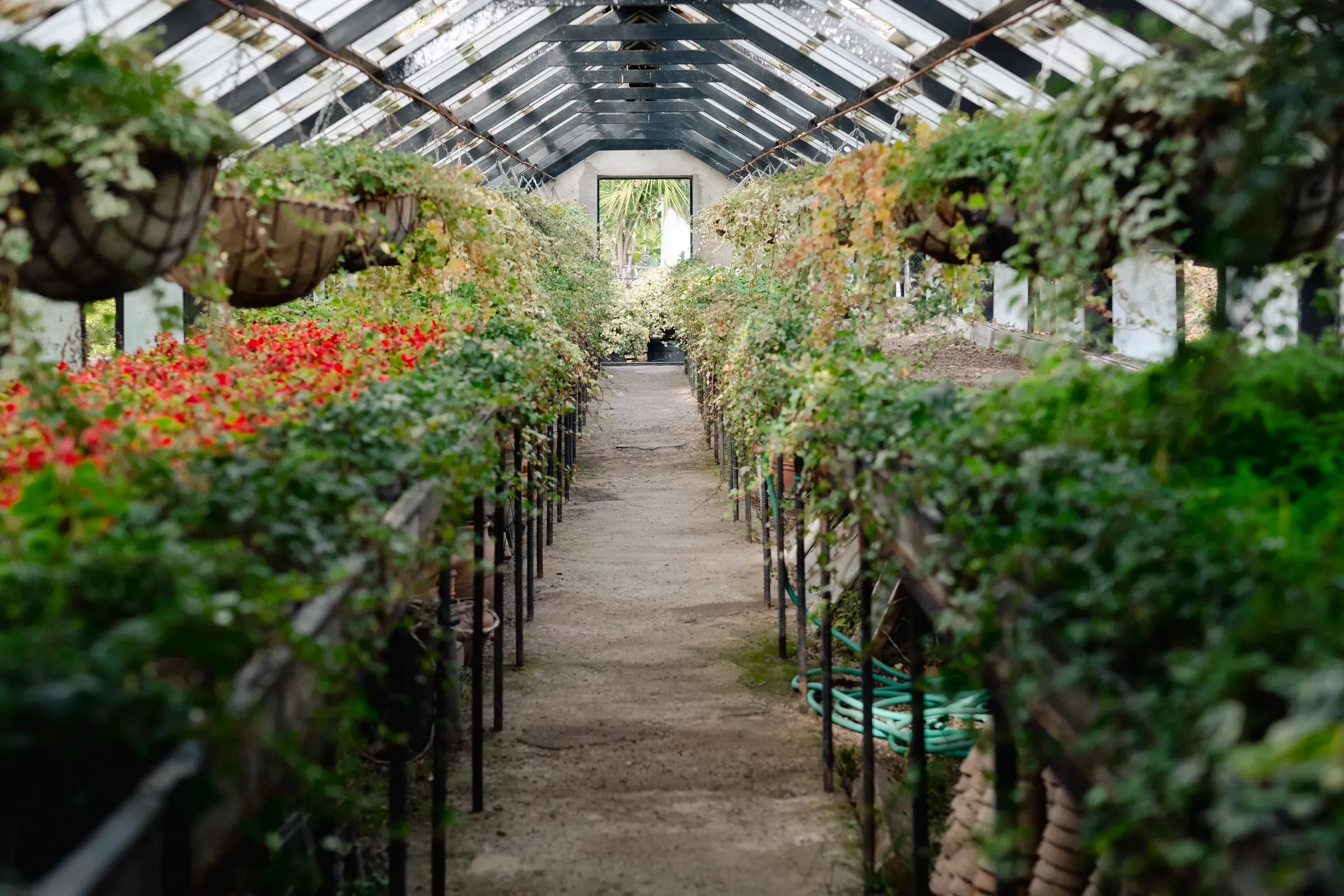
An enchanting pathway leads through a vintage greenhouse, flanked by vibrant hanging baskets and lush potted, plants & nursery dtc ecommerce
Plants & nursery DTCHome gardeners, landscapers and collectors who check the hardiness zone, the pot or root size and a photo of what actually ships before they trust a nursery with something alive.

How plants & nursery dtc makes money

Four levers, and what limits each one here

Revenue is traffic times conversion rate times order value times purchase frequency. In this niche each lever has its own ceiling.

Traffic

Traffic: people search by plant, then by climate

The demand splits into two vocabularies and most nursery sites serve only one. Shoppers search the plant, sometimes by common name and sometimes by botanical name, and they search by condition: shade tolerant shrubs, deer resistant perennials, evergreens for zone 4, fast growing privacy hedge. A catalog organised only by product type answers the first and misses the second entirely. We map the condition demand and build it as real collections with copy, then give each species a page that carries the botanical and common name together so both routes land in the same place. Care articles keyed to planting questions feed those collections with links and pick up demand outside the buying weeks.

Conversion

Conversion: sell what arrives, not what it becomes

The biggest cause of a lost sale and of an unhappy first order is the same thing: the photo shows a mature specimen and the box contains a dormant stick or a small plug. Nurseries that show both, side by side, with the pot size, the current height range and a note on what dormancy looks like, convert better and get fewer claims. The other half of the work is delivery clarity. The customer needs to see the ship window for their region before checkout, not in a confirmation email afterwards, along with what happens if a cold snap holds the order, and how a damage claim is handled if something arrives broken.

Order value

Order value: the plant is half of what they need

A single plant rarely fills a box efficiently, and the customer usually needs more than the plant. Soil and amendments matched to the species, the right pot, staking for young trees, mulch and a starter feed all belong on the page as a planting kit rather than as unrelated cross sells. Quantity pricing matters more here than in most categories, because hedging, ground cover and mass planting are bought by the dozen and the shopper is already working out how many they need per metre. A spacing calculator on the collection page that outputs a quantity into the cart raises basket size and cuts the support email that asks the same question.

Frequency

Frequency: the next window is the next order

Gardeners buy on a rhythm set by weather, not by habit. Someone who planted a spring border is a strong prospect for autumn bulbs and for the shrubs that go in when the heat breaks, and a customer whose order died in the first month is lost unless somebody helps them. Post delivery care sequences timed to establishment, a check in at the point where transplant shock usually shows, and a regional reminder when the next planting window opens are the three flows that decide repeat rate. Waiting lists for varieties that sold out mid season are the fourth, and they are usually the easiest revenue in the account.

Search visibility

Search: botanical names, hardiness zones and planting windows

Nursery search demand has three layers and each needs a different page type. Species and cultivar queries are the deep layer: thousands of low volume searches with clear intent, served by a page per plant that carries the botanical name, the common names people actually use, hardiness range, mature size, light and soil needs, and bloom or fruiting period. Condition queries are the middle layer and they are where most nurseries lose ground: shade plants, drought tolerant perennials, evergreen privacy screening, native pollinator plants for a given region. These need built collections with real copy, not filter results.

The third layer is timing. When to plant garlic, when to move a hydrangea, how late is too late for bare root, all searched heavily in a narrow window every year. Those articles have to be published and linked long before the window opens, then updated rather than replaced so they keep their history.

Technically, the two things that hurt nursery sites most are seasonal availability and variant sprawl. Plants that sell out should stay indexed with a waiting list rather than disappear and return as new URLs, and the same species in three pot sizes should be one page with variants rather than three competing pages. Structured data has to reflect the variant that is actually in stock.

Queries that matter

  • fast growing privacy hedge plants
  • shade tolerant shrubs zone 5
  • buy hydrangea paniculata online
  • deer resistant perennials for full sun
  • when to plant bare root roses
  • native pollinator plants for ontario
  • evergreen trees for small gardens

Species pages with real horticultural data, condition based collections written for a climate, and timing articles that have been live for more than one season are what rank here. A grid of thumbnails with a one line description does not.

AI answers

AI answers: what assistants get asked before a plant order

The questions people put to an assistant are the ones a nursery site usually answers badly: will this survive my winter, how far apart do I plant them, is this safe around a dog, what is the difference between bare root and potted. Stores get named in those answers when the horticultural facts sit in plain text on the page, when hardiness is stated as a range rather than shown as a coloured map image, and when the shipping months are written out instead of hidden in a widget. We write species and condition pages answer first, keep the botanical name and the synonyms visible, and make sure the pages render as HTML for the crawlers behind the major assistants.

Will this shrub survive winter in my hardiness zone?
How far apart should I space plants for a privacy hedge?
What is the difference between bare root and container grown?
Which perennials are safe to plant around dogs?
How late in the season can I still plant a tree?

Questions shoppers put to assistants. A store gets named when its pages answer them in plain text.

Google Shopping and Merchant Center

Google Shopping and Merchant Center for a live plant catalog

Most nursery products have no manufacturer barcode, so identifier_exists set to false is the correct answer rather than an invented code. What carries the listing instead is the title and the product type. Titles that lead with the botanical name and then the common name, the pot or root size and the form pick up far more of the query set than a bare cultivar name, because shoppers type both vocabularies. Product type should follow your own horticultural taxonomy down to the species level, and google_product_category belongs at the specific plants node.

Availability is where live catalogs get into trouble. Stock changes daily during the season, a variety can sell out in a weekend, and a feed that updates weekly will keep advertising plants that are gone. That produces availability mismatches, wasted spend and a poor landing experience. We move nursery feeds to a fast update cycle, use preorder with an availability date for stock that is growing on, and set handling times that reflect the real ship week rather than a generic figure.

Shipping settings matter as much as price. Live goods often carry regional restrictions and a different cost for a boxed tree than for a tray of plugs, so shipping needs to be configured by weight and destination and kept in step with what the store charges. Where a species cannot legally ship to a state or province, it is excluded for that destination rather than left to fail at checkout.

Feed attributes that decide eligibility

  • identifier_exists set to false for own grown stock
  • title carrying botanical and common name plus pot size
  • product_type at species level
  • availability with availability_date for preorder stock
  • shipping by weight and destination
  • custom_label for ship window
  • google_product_category at the plants node

Disapprovals we see in this niche

  • Availability mismatch when a variety sells out mid season
  • Shipping settings that do not match the rates charged at checkout
  • Restricted plant material offered to destinations that prohibit it
  • Missing identifier data on products with no barcode

Meta and social ads

Meta and social: the box, the planting, the season after

Plant content performs on social because the product changes visibly over time, and that is exactly what a static product photo cannot show. The creative that works is the unboxing that proves the packing is careful, the planting demonstration filmed in a real garden, and the same border photographed across a season so the buyer can see what patience buys. Growing operation footage does a job that no studio shot does, because it answers the quiet question of whether you actually grow the plants.

Audiences start with past customers segmented by what they planted, because the follow up product is predictable. Broad prospecting with strong seasonal creative works better than narrow interest stacking. Catalog ads are useful in retargeting once feed images show the plant as it ships. Keep growth and hardiness statements descriptive and matched to the page, and exclude any plant material that falls under a restricted category from the catalog rather than risking the ad account.

  • Unboxing a shipment to show how plants are packed and braced
  • One border photographed at planting, at midsummer and a year later
  • A grower walking the tunnels and explaining how stock is hardened off
  • A two minute planting demonstration with the tools and the soil used
  • A customer garden filmed by the customer, with permission secured

Policy line

Keep growth, hardiness and yield statements factual and consistent with the product page, secure written rights for customer garden footage, and exclude any restricted plant material from the catalog that feeds ads.

Conversion and the store

The store: what a plant page has to settle before checkout

A live plant page has to answer questions a furniture page never faces. What size is it right now, what will it look like when the box opens, when does it ship to my area, will it survive my winter, and what happens if it arrives damaged. Most nursery templates cover the first only in a pot size dropdown and leave the rest to a policy page. We put the current height and pot size next to a photograph of shipping condition, place the regional ship window above the add to cart button, and state the claims process in one sentence where the shopper is deciding.

The second conversion problem is quantity. Hedging and mass planting shoppers arrive knowing their run length, not their plant count, and they abandon while they do arithmetic. A spacing calculator that turns metres into plants, quantity price breaks shown on the page, and a saved plan they can return to all lift completed orders. On mobile, the sticky price and ship window bar matters more than the gallery, because the ship window is the fact they scroll back for.

Objections the page must answer

  • “What size is the plant right now and what arrives in the box”
  • “Will it survive the winter where I live”
  • “Which week does it ship and can I choose a later one”
  • “How many do I need for the length I am planting”
  • “What happens if it arrives damaged or does not leaf out”
  • “Is this the same cultivar as the one in the photograph”

Email, SMS and retention

Email and SMS: from ship week to the season after next

The flows that matter here are tied to the plant, not to the order date. A pre dispatch note tells the customer which week their order leaves and what to have ready, which cuts the support load and the failed deliveries that kill living stock. A planting sequence lands with delivery and covers soaking, depth, watering for the first fortnight and what normal transplant stress looks like, because most early failures are handling rather than plant quality. An establishment check in a few weeks later catches problems while a replacement is still worth sending.

After that, the calendar drives everything. Regional segments get the next planting window at the right time for their climate rather than on a national send date. Waiting list alerts for sold out cultivars convert better than any promotion, and SMS earns its place for exactly two things: dispatch notice and a heat or frost delay. Win back mentions the plant the customer bought and what would go well beside it.

  1. Ship week notice

    A few days before the order leaves the nursery

  2. Planting and first two weeks

    On delivery day, before the plant goes in the ground

  3. Establishment check in

    Around four to six weeks after planting

  4. Next planting window by region

    When the customer's own zone opens, not on a national date

  5. Waiting list alert

    The hour a sold out cultivar comes back into stock

  6. Companion planting suggestion

    One season after the original order

Where revenue leaks

The leaks we find in plants & nursery dtc stores

The Growth Analysis ranks these against your own numbers and says which to close first.

Get a Growth Analysis for your online nursery
  • Ship windows that only exist in the support inbox

    The shopper cannot see when their region gets stock, so they either email and wait or leave. Every hour that question sits unanswered is a cart that cools down.

  • Sold out plants deleted instead of parked

    A cultivar that took two seasons to rank disappears when stock runs out and returns in spring on a new URL with no history, so the ranking is rebuilt from nothing every year.

  • Hardiness data trapped in an image

    The zone map is a picture, so neither search engines nor assistants can read the single fact the buyer most wants, and the page loses the climate queries it should own.

  • Damage claims processed as refunds

    A photo based replacement path costs a plant and keeps a customer. Refunding instead sends the order back out of the business and ends the relationship at the first problem.

  • Feeds updated weekly in a daily business

    Stock moves fast in season, so ads keep running on plants that sold out over the weekend and the account collects availability mismatches and wasted clicks.

Platform notes

Where the platform changes the work

Shopify

Hardiness range, mature size, light needs and ship window live as metafields so they render on the page, feed the structured data and map into the product feed. Shipping profiles handle boxed trees separately from tray stock, and preorder handles growing on.

WooCommerce

Global attributes for zone, light and mature size drive both filtering and indexable archive pages, and shipping classes keep heavy boxed stock priced correctly by region rather than under a flat rate.

BigCommerce

Custom fields carry the horticultural data and price lists handle trade and landscaper pricing, with canonical rules needed so faceted plant filters do not multiply in the index.

Questions

Plants & nursery DTC owners ask us

By CartKernel · Last reviewed

How do you advertise plants that can only ship during certain weeks?

By segmenting campaigns geographically and ramping each region as its shipping window opens, with the ship window shown on the landing page. Handling times in the feed reflect the real dispatch week, and stock that is still growing on runs as preorder with a date rather than as available now.

Can a nursery sell live plants through Google Shopping without barcodes?

Yes. Own grown stock has no manufacturer barcode, so the correct setting is identifier_exists false, and the listing is carried by the title, the product type and the images instead. Titles that include the botanical name, the common name and the pot size match far more of the real query set.

What should happen to plant pages when a variety sells out for the season?

Keep the page live, mark it unavailable, and add a waiting list signup. Deleting it throws away ranking history that took seasons to build and creates a new URL next spring. The waiting list also gives you a demand signal for what to propagate more of next year.

How do you reduce damage and dieback claims on live orders?

Mostly with content and timing rather than packaging changes. Show shipping condition photographs so expectations are right, send planting instructions that arrive with the parcel, check in while a problem is still fixable, and hold orders when a cold snap or heatwave makes transit unsafe rather than shipping to schedule.

Do we need separate pages for the same plant in different pot sizes?

No. One page with size variants is easier to rank and easier to maintain than three pages competing for the same species query. The variant carries the price, the current height and the shipping weight, and the page keeps all the horticultural content in one place.

How long before a nursery site starts ranking for plant names?

Species pages with real horticultural data often move within a few months because the competition on individual cultivar names is thin. Condition collections and climate based pages generally take longer and are best built in the off season so they are mature before the planting rush arrives.

Grow your plants & nursery dtc store.

A free Growth Analysis ranks what your store should fix first, by revenue at stake, in about a week.