Skip to content

Garden & outdoor living · ecommerce growth

Bird feeder brand marketing agency

Nobody wakes up wanting a tube feeder. They want goldfinches on the fence, or they want the squirrels to stop emptying the one they already own. Every search in this category names a bird or names a problem, and the store that explains which food and which feeder produce that outcome wins both the first order and the seed reorder that follows it for years. The economics then turn on shipping heavy bags profitably and on knowing when each customer runs out.

The buyer, in brief

Consideration
Minutes for seed, a day or two for a feeder, longer for camera feeders, pole systems and heated baths
Purchase frequency
Seed every few weeks through the feeding season, suet through the cold months, feeders occasionally
Seasonality
Rising with the first cold snap and running through winter, a nesting season lift in spring, and a strong December gift peak
Price band
Low to mid for feeders and seed, higher for camera feeders, heated baths and complete pole systems
Return risk
Uncommon as returns; the complaints that matter are squirrels defeating a feeder and birds ignoring a food they were expected to like
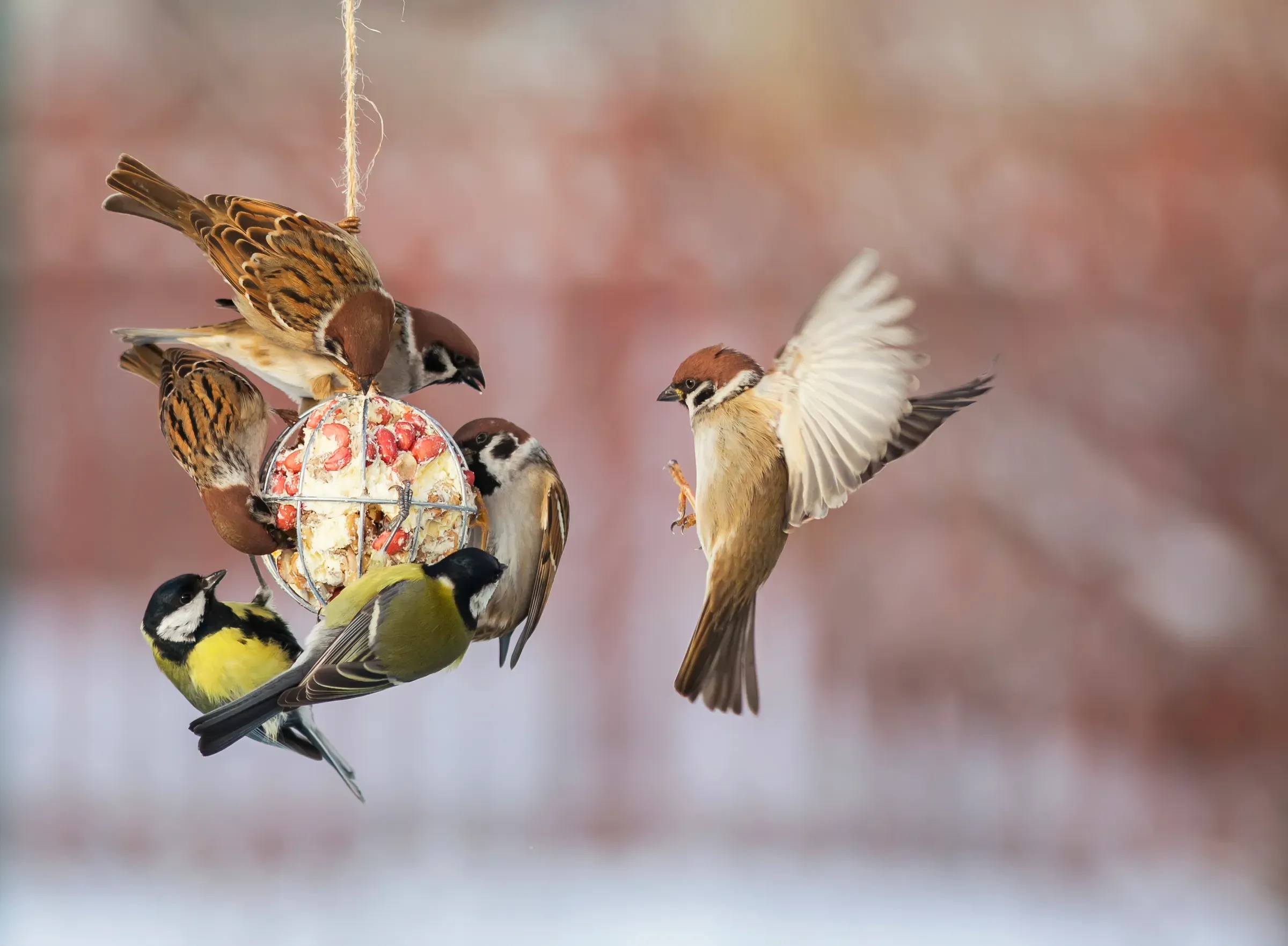
Birds tits and sparrows sit on the feeder and et oil with seeds and nuts in the winter garden, bird feeders & wildlife ecommerce
Bird feeders & wildlifeHouseholders who want particular birds in their garden and know that different species prefer different seed, checking port count, capacity, squirrel resistance and how easily a feeder comes apart for cleaning.

How bird feeders & wildlife makes money

Four levers, and what limits each one here

Revenue is traffic times conversion rate times order value times purchase frequency. In this niche each lever has its own ceiling.

Traffic

Traffic: the query is a species or a frustration

People search how to attract cardinals, what finches eat, why no birds are coming to a new feeder, and how to stop squirrels emptying one. That is the demand, and a catalog organised into feeders, seed and accessories captures almost none of it. The structure that works puts a page behind every common garden species covering what it eats, which feeder style suits it, where to hang it and when it appears, and a page behind every recurring frustration with a diagnosis rather than a product list. Both types lead directly into specific products, both are searched year after year, and both are far more defensible than a category page competing with general retailers on price.

Conversion

Conversion: match the bird, the food and the mess

The decisions a buyer is trying to make are which feeder suits the birds they want, how much seed it holds so they are not refilling every second day, whether squirrels can get into it, whether it can be taken apart to clean without a struggle, and how much mess it drops on the patio below. Very few product pages answer more than one of those. Adding a species compatibility note, capacity expressed as days rather than only in litres, an honest description of what the squirrel resistance actually does, and a cleaning description with the parts shown separated removes most of the hesitation. Hulled and no mess seed options should be presented as the answer to the patio problem, because that is exactly how the customer thinks about it.

Order value

Order value: shipping weight decides the basket

Seed is heavy, and shipping heavy goods is where the margin in this niche either survives or vanishes. That reality can work in your favour. When the shipping economics are explained plainly, a customer buying a large sack instead of a small one is making an obviously sensible choice, and bundling a feeder with the food it takes and the pole it hangs from puts most of the setup in a single shipment. Free shipping thresholds work particularly well here because the customer is already thinking in weight, and a station bundle, feeder plus pole plus baffle plus a season of food, both raises the order and produces a setup that actually works instead of a feeder hung on a branch a squirrel can reach.

Frequency

Frequency: a full feeder empties on a predictable clock

This is one of the most forecastable reorder cycles in ecommerce. A feeder of a known capacity, in a known climate, in a busy garden, empties at a rate that can be estimated closely from the customer's own order history. Capture the feeder capacity and the number of feeders at the first order and the replenishment timing stops being a guess. Weather sharpens it further, because a cold spell increases consumption sharply within days and a message during that window is genuinely useful. Subscriptions suit the customers who feed year round, while seasonal buyers respond better to a prompt at the first frost, since that is the moment feeding starts again for them.

Search visibility

Species pages, frustration pages and the seed comparison layer

Three content types carry this category and they are all cheap to build well and rarely built well. Species pages come first: one page per common garden bird covering diet, preferred feeder style, hanging height and position, when in the year it appears, and what else it needs such as water or cover. This is reference material that people return to, it earns links from local wildlife groups and it converts because it ends at a specific feeder and a specific food.

Frustration pages come second and they convert faster. Why birds are not visiting a new feeder, how to keep squirrels off, how to stop seed sprouting under the feeder, what to do about seed spoiling in the wet. Each of these has a real diagnostic answer and a product that follows from it.

The third layer is food comparison: nyjer against sunflower hearts, suet against fat balls, hulled against whole, mixes against straight seed. These decide repeat purchases and they are searched constantly. Technically, bag sizes belong on one page as variants rather than as separate products, and seed pages should carry ingredient composition in text, because both shoppers and assistants use it to compare.

Queries that matter

  • how to attract goldfinches to a feeder
  • squirrel proof bird feeder that actually works
  • what seed do cardinals prefer
  • why are no birds coming to my new feeder
  • no mess bird seed for a patio
  • when to start feeding birds in autumn
  • nyjer vs sunflower hearts for finches

Species and problem pages written as genuine reference material carry this niche, along with seed comparison content. Category pages of feeders compete directly with general retailers and rarely win on their own.

AI answers

Assistants get asked which bird, which food, which feeder

The questions are outcome shaped: how to attract a particular species, what to feed in winter, whether a feeder can be defeated by squirrels, whether it is safe to keep feeding at a given time of year. Stores are cited when the species and food guidance is on their own pages as plain text, when seed composition is listed rather than pictured on a bag, and when the advice is regionally honest, since the birds in Alberta are not the birds in Georgia. We write species and food guidance answer first, keep composition and capacity readable, and note regional differences explicitly so an assistant can use the page for the right audience.

What food attracts goldfinches and where should the feeder go?
Which feeder design keeps squirrels out most reliably?
Should I keep feeding birds through the summer?
What is in this seed mix and is any of it filler?
How often should a bird feeder be cleaned?

Questions shoppers put to assistants. A store gets named when its pages answer them in plain text.

Google Shopping and Merchant Center

Shipping weight, bag variants and unit pricing in the feed

The feed challenge in this niche is weight rather than policy. Seed is dense, sacks are heavy, and shipping configured as a flat parcel rate loses money on every large bag while making small bags look expensive. Shipping needs to be set by weight and region so the listing shows a rate the checkout will honour, and free shipping thresholds should be reflected consistently, since a mismatch between the advertised and charged rate is one of the most common ways accounts collect shipping errors.

Bag sizes are variants, not products. Submitting a two kilogram and a twelve kilogram bag as separate items creates near duplicate listings competing against each other, and it prevents shoppers seeing the size range in one place. Unit pricing attributes matter here more than in most categories, because seed is compared by price per kilogram and a listing that shows it is more competitive on exactly the comparison shoppers run.

For branded feeders and food, GTIN, brand and MPN should be populated. Own mixed blends generally have no barcode and declare identifier_exists as false. Product highlights carrying capacity, port count and the species the product suits pick up query matches that the title alone will miss.

Feed attributes that decide eligibility

  • shipping set by weight and region for heavy sacks
  • item_group_id grouping bag sizes
  • unit_pricing_measure and base measure for seed
  • product_highlight for capacity, ports and species suited
  • gtin and brand for branded feeders and foods
  • identifier_exists false for own blended mixes

Disapprovals we see in this niche

  • Shipping cost mismatch where heavy sacks are priced as parcels
  • Duplicate listings created by bag sizes submitted separately
  • Unit pricing errors on seed sold by weight
  • Availability mismatch during a cold snap when stock moves faster than the feed

Meta and social ads

Social where the product delivers its own footage

Few categories generate content this easily. Birds at a feeder, filmed close and slowed slightly, hold attention without any production effort, and camera feeders produce a constant supply of usable footage from customers. Squirrel attempts on a defended feeder are the most watchable content in the entire garden industry and they demonstrate the product feature better than any description. Seed comparison tests, two feeders side by side with different foods, settle an argument the audience is genuinely having.

Audiences segment by what somebody already owns and by season. Existing customers get food, suet and the next feeder. Prospecting works on species outcome rather than on product, because the desire is to see a particular bird. Gift audiences are separate people entirely and need creative that assumes no knowledge. Keep species claims honest and regional, since promising a bird that does not occur in the customer's area produces disappointment, and secure rights before reposting customer footage even when it was tagged to you.

  • Slowed close footage of birds arriving at a feeder
  • A squirrel repeatedly defeated by a defended feeder
  • Two seed types tested side by side in the same garden
  • Setting up a complete feeding station from scratch
  • Camera feeder footage of an uncommon visitor

Policy line

Keep species claims regionally honest rather than promising birds that do not occur locally, describe squirrel resistance as what it does rather than as absolute, and secure rights before reposting customer footage.

Conversion and the store

The page has to answer capacity, cleaning and squirrels

Four practical questions decide most purchases in this niche and the average product page answers one. Capacity is best expressed in refill intervals rather than only in volume, since the customer is really asking how often they will be outside in February topping it up. Cleaning matters more than sellers assume, because a feeder that cannot be taken apart gets abandoned, so photographs of the disassembled feeder are worth more than another lifestyle shot. Squirrel resistance needs describing honestly in terms of what the mechanism does, since overselling it produces the angriest reviews in the category. And the species fit note tells the shopper whether this feeder will produce the outcome they came for.

For seed, composition belongs on the page as a list with the proportion of filler stated, because experienced feeders read it exactly the way an ingredient list is read elsewhere. On mobile, the size and price per kilogram comparison should be visible without opening a variant selector, since that comparison is how the choice is actually made.

Objections the page must answer

  • “Which birds will this actually attract in my area”
  • “How long does a full feeder last before refilling”
  • “Will squirrels get into it and what stops them”
  • “How do I take it apart to clean it”
  • “Is this seed mostly filler”
  • “Will it drop seed all over the patio underneath”

Email, SMS and retention

Reordering seed before the feeder runs empty

Replenishment is the whole business here and it can be calculated rather than guessed. Ask once, at the first order or shortly after, how many feeders the customer runs and what capacity, and every subsequent reminder can be timed to when they will actually run out rather than to a fixed monthly schedule. Order history refines it further, and a customer who is consistently reordering early is a subscription candidate while one reordering late needs a nudge sooner.

Weather is the trigger that outperforms everything else. A cold spell drives consumption up sharply and a message sent in that window is help rather than promotion. Seasonal moments carry the rest: the first frost prompt for people who only feed in winter, nesting season for mealworms and nest boxes, and a summer message about water and cleaning that keeps the list engaged in the quiet months. Gifting runs on its own calendar with a delivery deadline. SMS suits cold snap alerts and restock notices during a shortage.

  1. Feeding setup and placement

    The week after the first feeder order, covering position and cleaning

  2. Seed replenishment by capacity

    Calculated from feeder volume, count and previous order intervals

  3. Cold snap prompt

    Within days of a sharp temperature drop in the customer's region

  4. Nesting season

    As spring arrives, for mealworms, nest boxes and cameras

  5. Gift season reminder

    Ahead of December, with the delivery deadline stated

  6. Cleaning and hygiene reminder

    Seasonally, tied to warm weather and to periods of heavy use

Where revenue leaks

The leaks we find in bird feeders & wildlife stores

The Growth Analysis ranks these against your own numbers and says which to close first.

Get a Growth Analysis for your wild bird store
  • Seed sold with no idea when it runs out

    Capacity and feeder count are never captured, so replenishment goes out on a calendar that fits nobody and the customer refills from a supermarket the week they run dry.

  • Species content that never reaches a product

    A well written page about attracting a bird ends without naming the feeder and the food it requires, so the traffic arrives, reads and leaves with the information it came for.

  • Heavy sacks priced as if they were parcels

    The advertised shipping rate cannot cover a large bag, so either the checkout contradicts the ad or every large order loses money quietly on delivery.

  • Nothing sent when the temperature drops

    Consumption spikes across a whole region within days of a cold spell, and a store on a monthly send schedule misses the entire window.

  • Bag sizes split across separate pages

    Reviews, links and Shopping data are divided between listings for the same seed, and shoppers cannot make the price per kilogram comparison that decides the purchase.

Platform notes

Where the platform changes the work

Shopify

Bag sizes as variants keep the price per kilogram comparison intact, weight based shipping profiles stop heavy sacks being underpriced, and subscriptions suit the year round feeders who make up the most valuable segment.

WooCommerce

Shipping classes handle the spread from a suet ball to a large sack, and product attributes for species suited and capacity power both filtering and the indexable archive pages behind species searches.

BigCommerce

Custom fields carry seed composition and capacity into both page and feed, and price lists cover wholesale to garden centres alongside direct retail without a second storefront.

Questions

Bird feeders & wildlife owners ask us

By CartKernel · Last reviewed

How do you build reliable repeat orders on bird seed?

By capturing feeder capacity and how many feeders a customer runs, then timing reminders to when they will actually empty rather than to a fixed schedule. Order history sharpens the estimate over time, weather triggers handle the spikes, and the customers who consistently reorder early are the ones worth offering a subscription.

Does species content genuinely sell feeders?

Yes, when it ends somewhere. People search for the bird, not the product, so a page that explains what a species eats, which feeder style suits it and where to hang it captures the demand at the point of intent. It only converts if it names the specific feeder and food, which is the step most wildlife content skips.

How do you ship heavy seed sacks without losing money?

Set shipping by weight and region so the advertised rate matches what is charged, use free shipping thresholds that make a larger sack the sensible choice, and bundle food with feeders so one shipment carries more value. Flat rate shipping across a catalog containing both suet balls and large sacks is where the margin quietly disappears.

What happens to demand during a cold snap?

It rises sharply and quickly across the affected region, and the window is short. The stores that benefit are the ones with regional segments, a message already written, stock checked on the items that sell out first, and permission to raise budgets the same day. Reacting a week later means the demand has been met elsewhere.

How should a store handle public advice about pausing feeding?

Follow it, say so plainly, and be the source customers trust. When authorities advise taking feeders down in an area because of a disease outbreak, publishing the guidance and pausing promotion into that region is both the right response and the one that keeps the relationship. Cleaning products and hygiene content remain genuinely useful during those periods.

Is gifting worth building for a wild bird store?

It is usually one of the two biggest weeks of the year and it is served badly by most stores in the category. Gift buyers know nothing about seed types and need curated sets, clear price bands, presentation and a stated delivery deadline. Sending them to a feeder category page written for enthusiasts loses a sale that was close to certain.

Grow your bird feeders & wildlife store.

A free Growth Analysis ranks what your store should fix first, by revenue at stake, in about a week.