Skip to content

Hobby, craft & creative · ecommerce growth

Yarn brand marketing agency

Nobody buys one skein for a sweater. They buy ten from a single dye lot, after checking the gauge, the fiber content and the yardage against a pattern they already chose. Yarn retail runs on that arithmetic, on a community that publishes its projects and substitutions in the open, and on a catalog where weight, fiber and colorway are the search terms. We build the attribute structure, the pattern content and the project quantity tools that make that purchase simple.

The buyer, in brief

Consideration
A few days between choosing a pattern and buying the yarn, longer when a sweater quantity is involved
Purchase frequency
A project at a time, from a few weeks for accessories to several months for garments, with impulse skeins in between
Seasonality
Strongest from early autumn through winter, with a summer dip and a lift around gifting and knitting events
Price band
Low per skein and high per project once a sweater quantity reaches the cart
Return risk
Uncommon but awkward, since a partial return from a dye lot leaves the shop holding singles nobody can use
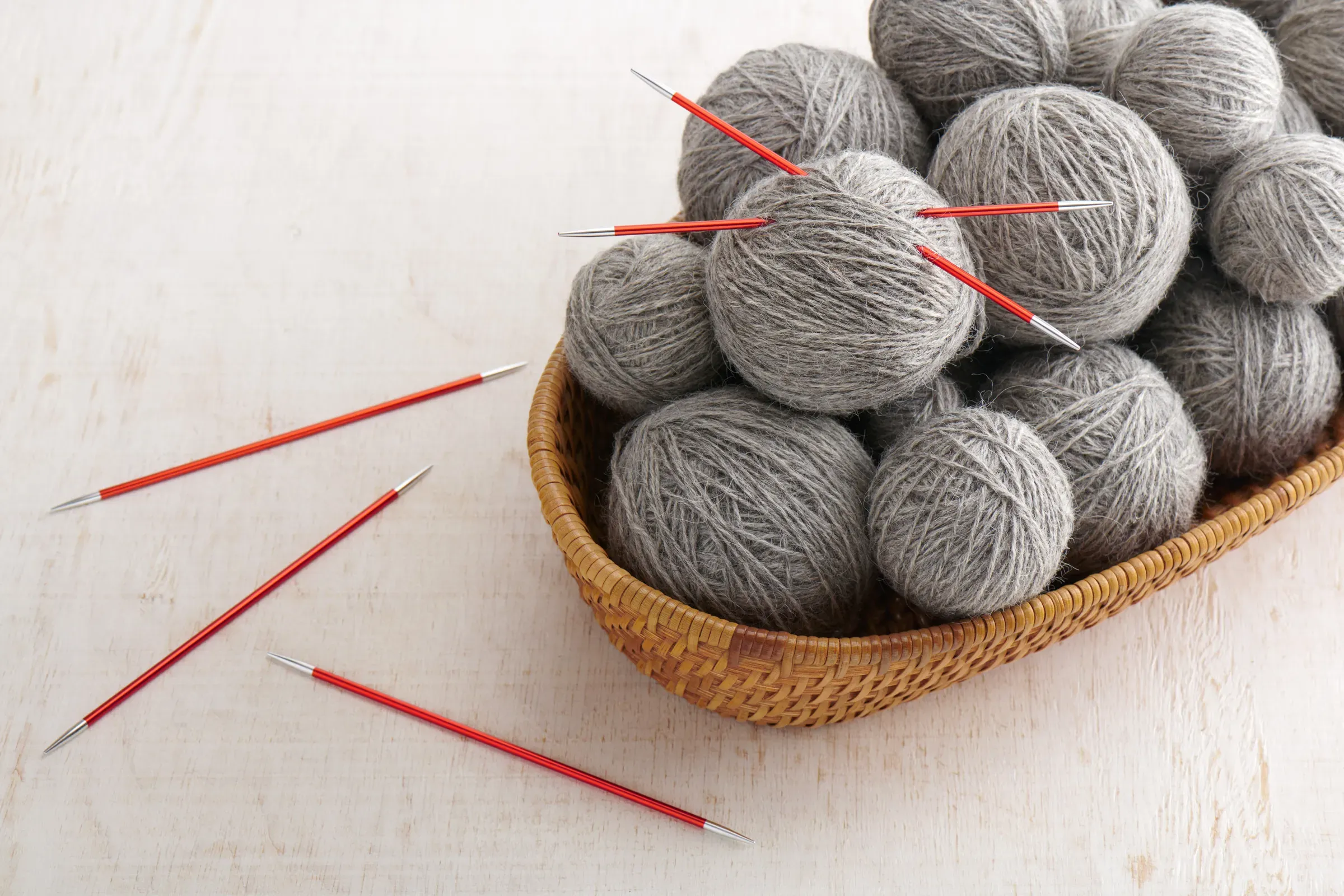
Double pointed knitting needles and balls of yarn in basket, yarn & knitting ecommerce
Yarn & knittingKnitters, crocheters and weavers who arrive holding a pattern and check weight, fiber content, yardage per skein, needle size and dye lot before ordering, and who read other makers' project notes before trusting a yarn they have not used.

How yarn & knitting makes money

Four levers, and what limits each one here

Revenue is traffic times conversion rate times order value times purchase frequency. In this niche each lever has its own ceiling.

Traffic

Traffic: weight, fiber and the substitution question

Yarn search is attribute search. People type a weight and a fiber together, a brand and a colorway, a needle size, or the phrase substitute for a yarn that has been discontinued. A shop with collections named Yarn and Sale answers none of that. We build indexable collections for each weight, fiber, blend and use case, put gauge, yardage, needle size and care instructions on the page as text, and write substitution content that compares yarns honestly by gauge and yardage rather than by price. Substitution pages in particular attract knitters who already know exactly what they want and only need somewhere trustworthy to buy the equivalent.

Conversion

Conversion: dye lot, yardage and enough of it

A knitter abandons a cart for reasons that have nothing to do with price. Nine skeins remain and the pattern calls for ten. The dye lot is not shown, so buying across two batches risks a visible stripe running through a finished sweater. The yardage is published per skein while the pattern is written in meters. The work is a product page that shows yardage in both units, states the dye lot and how many skeins are left in it, and offers a calculator that takes the pattern size and returns the number to buy. Adding the whole calculated quantity in one action removes the last piece of friction.

Order value

Order value: sell the project, not the skein

Average order value in a yarn shop is decided the moment a shopper commits to a project rather than to a color. A pattern page that lists the yarn, the needles, the notions and the quantity for every size, with one add to cart for the lot, produces baskets several times larger than a product grid does. Kits assembled around a pattern do the same work for shoppers who want the decision made for them. The other dependable lift is honest guidance on buying a spare skein from the same dye lot, which protects the maker from running short and protects the shop from stranded singles at the same time.

Frequency

Frequency: the next project starts before this one ends

Knitters are serial project buyers and the window that matters is the gap between finishing and casting on again. A shop that knows which pattern a customer bought yarn for can time the next suggestion to the realistic completion date for that project, which is weeks for a hat and months for a cardigan. Holiday makers plan gifts far earlier than most retailers assume, so the autumn calendar has to start in late summer. Leftovers are their own opportunity, because a customer holding three part skeins is already looking for a small pattern to use them and will buy the one thing that finishes it.

Search visibility

Search: weight and fiber collections, patterns and substitutions

The category pages that rank in this niche are attribute pages. Weight collections running from lace to jumbo, fiber collections for merino, alpaca, cotton and linen, and use case collections such as sock yarn or superwash for baby items. Each needs its own copy explaining what that weight or fiber is good for, what gauge to expect from it and how it behaves after washing, because that is the information a shopper is genuinely looking for when they type the term.

Patterns are the content engine. A shop that publishes free and paid patterns gains pages that rank for the project name, link directly into the yarn they consume and get shared inside the community. Project math content ranks alongside them: how much yarn a sweater takes, how to substitute a discontinued yarn, how to read a gauge swatch. These pages reach makers at the exact moment they are deciding what to buy, and they age well because the arithmetic does not change.

Colorways are the technical trap. A yarn in forty colorways should be one product with color variants under one canonical page, while the collection of colorways deserves an indexable page of its own. Discontinued yarns and retired colorways keep their addresses with a substitution recommendation, since knitters search for them long after they leave the catalog. Filters for weight, fiber, needle size and color need clean rules so useful combinations are indexable and the rest never reach the index.
Queries that matter

  • dk weight merino yarn
  • how much yarn for a sweater
  • substitute for a discontinued sock yarn
  • superwash wool for a baby blanket
  • chunky yarn for a beginner blanket
  • alpaca vs merino warmth
  • worsted weight cotton yarn

Weight and fiber collections with real guidance, pattern pages that link to the yarn they consume, and substitution comparisons rank here. A colorway grid with no words on it does not, because it answers nothing the shopper came to ask.

AI answers

AI answers: gauge, substitution and quantity questions

The questions assistants field in this niche are arithmetic and substitution. How many skeins a size large sweater takes at a given gauge, what can replace a yarn that has been discontinued, whether a fiber will soften or grow after blocking, which yarns are machine washable for a baby gift. A shop becomes citable when its pages carry gauge, yardage in both units, fiber percentages, needle size and care instructions as plain text rather than locked inside a photograph of a ball band, and when pattern pages state the quantity per size. We write those pages answer first and keep identical values in the structured data and the product feed.

How many skeins do I need for an adult sweater in worsted weight?
What can I substitute for a discontinued dk merino?
Is this yarn machine washable and suitable for a baby blanket?
What needle size should I use with this yarn?
Will alpaca stretch out after blocking?

Questions shoppers put to assistants. A store gets named when its pages answer them in plain text.

Google Shopping and Merchant Center

Merchant Center for yarn: variants, units and dye lots

A yarn feed is a variant problem before it is anything else. Each colorway is a variant of one product tied together by item_group_id, and the color attribute has to carry the actual colorway name rather than a repeated product title, because shoppers search by colorway. Yardage and weight belong in product_detail alongside fiber composition, needle size and care instructions, and the unit pricing attributes matter wherever yarn is sold by weight. Titles that lead with brand, yarn name, weight and fiber match the way the query is typed.

The recurring quality issue is availability. Dye lot quantities are small and sell through quickly, so a feed refreshed once a day keeps advertising skeins that are already gone. Frequent inventory updates or a direct connection prevent both the availability warnings and the cancelled orders that follow them.

Campaign structure follows project value. Sweater quantity yarns and premium fibers deserve their own campaigns because the basket is large. Single skein and accessory yarns work better grouped by weight at modest bids. Free listings are worth running across the whole catalog, since the long tail of colorways rarely justifies a paid click on its own.

Feed attributes that decide eligibility

  • item_group_id across colorways
  • color carrying the real colorway name
  • product_detail for weight, fiber and yardage
  • unit_pricing_measure where yarn is sold by weight
  • gtin from the ball band where one exists
  • availability refreshed several times a day

Disapprovals we see in this niche

  • Availability mismatch when a dye lot sells out mid-morning
  • Colorway variants submitted as unlinked separate products
  • Missing GTIN on branded yarn that carries a barcode
  • Images showing a finished sample rather than the yarn being sold

Meta and social ads

Meta and social: finished objects and colorway drops

Yarn sells on social through two things, a finished object and a colorway reveal. A completed garment worn in daylight with the yarn and pattern named does more than any studio product shot. Hand dyed shops in particular run on drop mechanics, where a limited batch is shown, dated and released, and the audience already knows the routine and turns up for it.

Prospecting works best broad and carried by the creative, because interest targeting for knitting reaches plenty of people who last held needles a decade ago. Retargeting should be built around the project rather than the product, since someone who viewed a pattern is far closer to buying yarn than someone who viewed a single skein. Maker content is abundant in this community and it needs written permission plus correct designer and yarn credit, which the audience notices and cares about more than in most categories.

  • A finished garment worn outdoors with the yarn and pattern named
  • A hand dyed colorway unwrapped and wound on camera
  • The same swatch knitted in three fibers side by side
  • A project from cast on to bind off in time lapse
  • A maker explaining why this yarn suits this pattern

Policy line

Ordinary commerce rules apply, and the practical constraints are copyright and credit: use pattern imagery only with the designer's permission and credit both the designer and the yarn in the creative.

Conversion and the store

The store: the page a knitter reads before adding ten skeins

A yarn product page is read like a specification sheet. Weight with its standard number, fiber percentages, yardage and meterage per skein, gauge over four inches, recommended needle size, care instructions, and the dye lot with the quantity available in it. If any of those is missing the shopper leaves to find it in a pattern database or at another shop, and frequently buys there instead.

The template that earns most is the pattern or project page with a bundled add to cart, because it turns a browsing maker into a full project basket in one action. A quantity calculator that asks for the size and the pattern's stated yardage removes the arithmetic that stalls the decision. On mobile, accurate color rendering and a clear indication of what remains in which dye lot matter most, since scrolling past a sold out favorite is the most common exit point in the whole store.

Objections the page must answer

  • “Is there enough of this dye lot for my entire project”
  • “How many skeins do I actually need in my size”
  • “Will this substitute match the gauge my pattern calls for”
  • “Is the color on screen close to the real skein”
  • “Does it soften or grow after washing”

Email, SMS and retention

Email: project timing, dye lot alerts and leftovers

Flows in a yarn shop should follow the project a customer started. A message arriving with the parcel that covers swatching and blocking for that specific fiber prevents the disappointment that stops a maker returning. A check-in timed to the realistic length of that project, weeks for accessories and months for garments, is the natural moment to suggest what comes next.

Two alerts do real work. A low dye lot warning to customers who bought part of a batch gives them a chance to complete their quantity before it is gone. A restock alert at colorway level matters because no other color will substitute in the buyer's mind. Beyond that, a leftovers flow offering small patterns that use one or two skeins converts dead stock in the customer's basket into another order. Newsletters carry pattern releases and dyer drops, and SMS is worth reserving for launches where minutes decide who gets a skein.

  1. Swatch and block for this fiber

    On delivery, matched to what was ordered

  2. Low dye lot warning

    When the batch a customer bought from drops below a spare skein

  3. Project check in

    Timed to the realistic finish date for the pattern they bought

  4. Colorway restock alert

    The moment the exact colorway returns

  5. Leftovers and small projects

    Two to three months after a large project order

  6. Drop launch

    Announced twice ahead of a hand dyed release

Where revenue leaks

The leaks we find in yarn & knitting stores

The Growth Analysis ranks these against your own numbers and says which to close first.

Get a Growth Analysis for your yarn shop
  • Dye lots invisible at checkout

    A customer buys ten skeins across two batches without being told, finishes a sweater with a visible color break through the yoke, and never orders again.

  • Yardage published in one unit only

    Patterns written in meters against yardage listed in yards leaves the shopper doing conversions on a phone, and a good number of them simply stop.

  • A single collection called Yarn

    Weight and fiber are the entire search vocabulary of this category, and none of it has a page, so the shop ranks for its own name and very little else.

  • Colorway stock refreshed once a day

    Small dye batches sell out in hours, so the feed keeps advertising skeins that are gone and Merchant Center starts flagging the account for availability.

  • Retired yarns removed from the site

    Discontinued lines keep being searched by knitters hunting a substitute, and deleting the page hands a ready-to-buy visitor straight to another shop.

Platform notes

Where the platform changes the work

Shopify

Colorways as variants with dye lot tracked as a separate inventory dimension usually needs a lot management app or a strict metafield convention. Weight, fiber, yardage and needle size in metafields keep the specification block, the feed and the filters reading from one source.

WooCommerce

Global attributes for weight, fiber and needle size drive both filters and indexable archives, and stock at variation level has to be authoritative so a popular colorway never oversells during a release.

BigCommerce

Variant level inventory and custom fields hold the ball band data, and pattern content can be built as pages linked to product bundles so a whole project reaches the cart in one action.

Questions

Yarn & knitting owners ask us

By CartKernel · Last reviewed

How do you handle dye lots on a yarn website?

By treating the lot as part of the inventory rather than as a note. The page shows which lot is being sold and how much of it remains, the cart warns when an order would span two lots, and customers who bought from a batch can be alerted before it runs out. That removes the most expensive complaint a yarn shop receives.

Should we publish knitting patterns free or sell them?

Both, for different reasons. Free patterns exist to rank, to circulate in the community and to sell the yarn they call for, so they should be generous and well photographed. Paid patterns work when they carry something extra, such as a full size range or detailed tutorial support. The yarn is the revenue in either case.

Our colorways sell out in hours. How do we keep the feed honest?

By updating inventory far more often than once a day and letting the feed reflect the real remaining count. For hand dyed drops that usually means a live connection rather than a scheduled file. It protects the Merchant Center account, and it stops paid budget being spent promoting skeins that were claimed before the ad even served.

Do substitution pages genuinely bring in buyers?

They do, because the person searching has already chosen a pattern and lost their yarn. A page that compares gauge, yardage, fiber and drape between the discontinued line and what you stock answers a purchase decision rather than a curiosity. It also tends to be shared in forums, which brings links most category pages never earn.

How do we raise average order value without discounting?

By selling projects instead of skeins. A pattern page listing the exact quantity for each size, plus needles and notions, with a single add to cart, moves the basket up without touching price. A spare skein prompt from the same dye lot adds one more unit and prevents the customer running short, which is a service rather than an upsell.

Is Meta advertising worth it for a yarn shop?

It is when the creative shows finished objects and colorway reveals rather than product photography, and when the budget is timed around drops and pattern releases. Broad prospecting with strong video usually beats interest targeting. Retargeting people who viewed a pattern tends to outperform retargeting people who viewed a single skein.

Grow your yarn & knitting store.

A free Growth Analysis ranks what your store should fix first, by revenue at stake, in about a week.