Skip to content

Home & furniture · ecommerce growth

Mattress marketing agency

Mattress shoppers type best mattress for side sleepers into a search engine, land on a review site, and arrive at the brand already holding an opinion about firmness, a competitor's name and a trial period they expect. They buy once in a decade, they cannot try the product first, and the return is a pickup or a donation rather than a parcel. We build the growth system for that: sleeper-type and firmness pages that compete with the review sites, comparison content the brand owns, ads that stay inside the health policies, and a trial-period sequence that keeps the mattress in the home.

The buyer, in brief

Consideration
Two to eight weeks, with several sessions and at least one visit to a third-party review site
Purchase frequency
Once every seven to ten years for the mattress itself, with pillows, protectors and a second bed in between
Seasonality
Event weekends through the year and a summer lift from moving and back-to-school, with cooling queries rising in hot months
Price band
Mid to premium, sold heavily on discount events and installments, with a queen as the reference price
Return risk
Trial-period returns that cost a pickup or a donation receipt, driven by firmness that did not suit, heat and off-gassing complaints
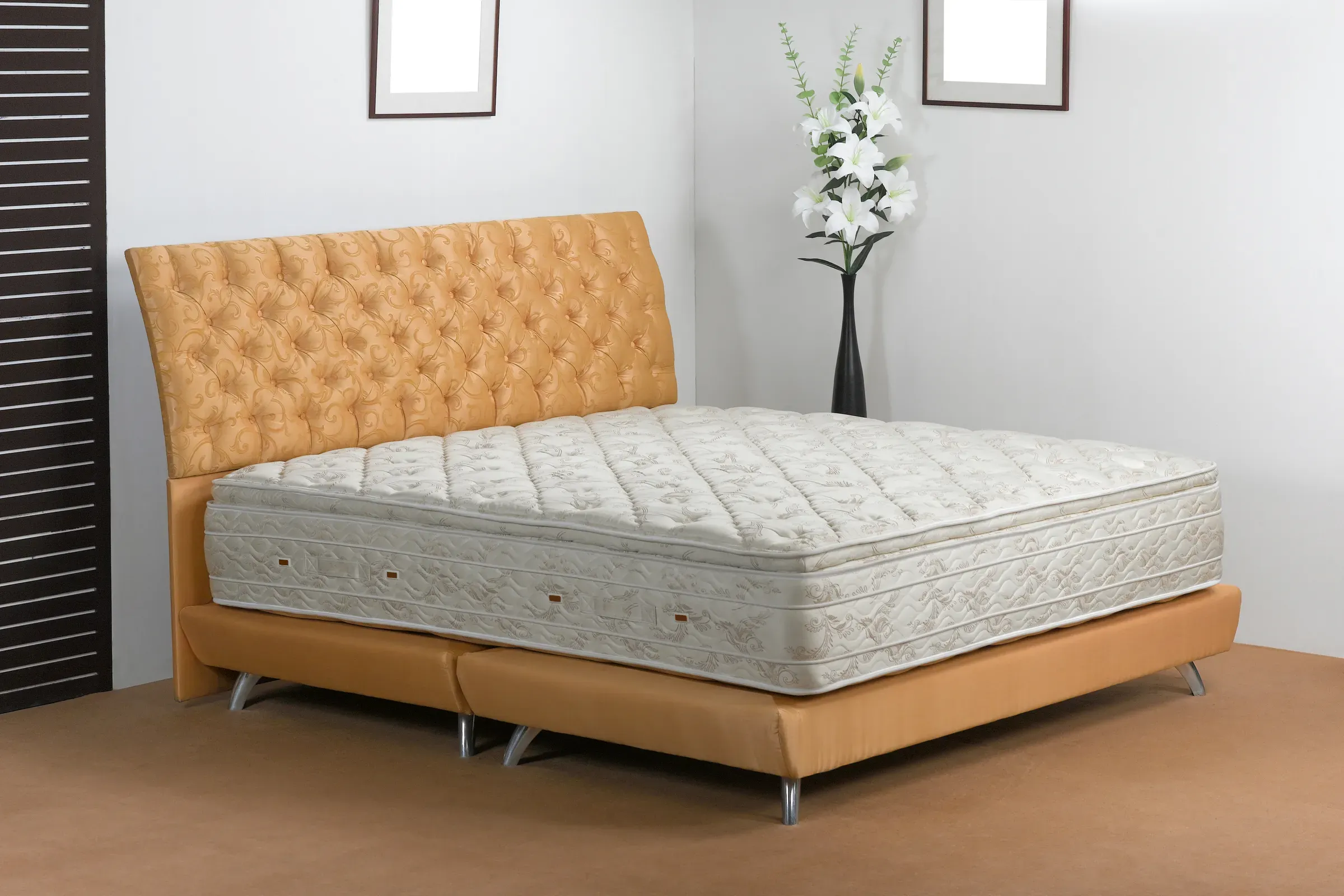
Bedroom atmosphere and mattress spring in studio, mattresses ecommerce
MattressesAdults replacing a mattress after a move, a new bed size, shoulder or hip discomfort or a partner's complaints, who compare firmness, cooling, motion transfer and the trial terms across several brands and at least one review site before choosing.

How mattresses makes money

Four levers, and what limits each one here

Revenue is traffic times conversion rate times order value times purchase frequency. In this niche each lever has its own ceiling.

Traffic

Traffic: sleeper-type and firmness queries held by review sites

The queries with buying intent in this niche are about the sleeper, not the brand: best mattress for side sleepers with shoulder pain, medium-firm hybrid for a hot sleeper, mattress for a heavy person, mattress in a box that does not sag. Review and comparison sites hold most of the first page for those terms, and a brand with one Shop page and a Compare table cannot take them back. The traffic lever is a set of sleeper-type, firmness and construction pages with real product data behind them, comparison content that treats the alternatives neutrally, and glossary pages for the terms shoppers meet on those review sites, such as zoned support, coil count and foam density. Product pages carry the firmness rating, the layers and the certifications in text.

Conversion

Conversion: the trial terms and the firmness question

A shopper who cannot lie on the mattress buys the trial period and the firmness description. The product page has to explain what the firmness number means for a side, back or stomach sleeper at a stated body weight, what happens in the first nights of adjustment, and exactly how a trial return works: who picks it up, whether a donation receipt is needed, what is refunded and what is not. Most brands say the trial length and stop. We put the trial mechanics in plain steps, add a sleeper-type selector that recommends a model, show foundation and base compatibility, and state the foam and fire-barrier certifications in text. On mobile the size and price selector and the delivery time need to survive the fold.

Order value

Order value: the whole bed, not the mattress

Order value grows when the mattress order carries the base, the protector, the pillows and the sheets that fit its depth. The mechanics are a bundle page for each size with a stated saving, a protector offered in the cart as the item that keeps the trial return clean, and a foundation compatibility block that tells the shopper whether their existing base will do. Size upgrades matter too: a clear explanation of the difference between a queen and a king in a room of a given width moves some shoppers up a size. Installment pricing shown against the bundle rather than the single mattress makes the whole bed as easy to accept as the mattress alone.

Frequency

Frequency: the second bedroom and the accessories in between

A mattress is bought once a decade, so frequency here means the guest room, the child's next bed size, the pillows that wear out every couple of years and the protector that follows a spill. The customer who had a good trial is the best candidate for all of them, but only if the brand is still present. Post-trial flows that ask how the sleep has changed, pillow and protector replenishment at realistic intervals, and a second-bedroom offer timed to moving season carry the repeat. Referral works unusually well in mattresses because the purchase is discussed among friends and family. We report accessory and second-mattress revenue per customer over five years, because anything shorter misses the cycle.

Search visibility

Search: competing with review sites for sleeper-type and comparison queries

Mattress search demand splits into three shapes. Sleeper-type and problem queries, such as mattress for side sleepers with hip pain or cooling mattress for hot sleepers, want a page that recommends a model and explains why. Construction queries, such as hybrid versus memory foam or what is a zoned coil, want an explainer. Comparison queries, your brand versus another or model A versus model B, want an honest table. We build the first two as collection and guide pages inside the platform with real product data behind them, and the third as neutral comparison content that gives each side a best-for, because review sites already rank for those terms and a brand page that only praises itself does not displace them.

Product pages need the firmness rating, layer-by-layer construction, height, weight, foundation requirements, certifications such as CertiPUR-US for foams and OEKO-TEX or GOLS where they apply, and the trial and warranty terms in text with Product and Offer markup that validates. Review markup must reflect reviews that genuinely exist on the page.

Technically, sizes are variants of one product rather than separate URLs, the comparison pages need canonical discipline so a model comparison does not compete with the model page, and health-adjacent claims are kept descriptive so the pages do not read as medical advice.

Queries that matter

  • best mattress for side sleepers with shoulder pain
  • medium firm hybrid mattress queen
  • cooling mattress for hot sleepers
  • hybrid vs memory foam mattress
  • fiberglass free mattress
  • how does a mattress trial return work
  • mattress in a box for heavy people

Sleeper-type and problem pages that recommend a model with construction detail, neutral comparison content and glossary explainers rank in this niche. A product grid of three models with a firmness slider and no copy does not, and neither do pages that promise relief from a condition.

AI answers

AI answers: the mattress questions assistants field before the purchase

Assistants are asked which firmness suits a side sleeper of a given weight, whether a hybrid sleeps cooler than foam, whether a brand's mattress contains fiberglass, and how a trial return actually works. The brands that get named describe firmness on a stated scale, list the layers and their materials, state the fire barrier and foam certifications in plain text, and explain the trial and warranty terms in steps an engine can quote. Consistency matters: the trial length must be the same on the product page, the FAQ and the policy page, and the Product markup must agree with the Merchant Center feed. We write the sleeper-type guides answer-first, keep claims descriptive rather than medical, and check that the crawlers behind the major assistants can read the pages.

What firmness should a side sleeper who weighs around 200 pounds choose?
Does this mattress contain fiberglass in its fire barrier?
Do hybrid mattresses sleep cooler than memory foam?
How does a mattress trial return work if I do not like it?
Can I put a new mattress on my old box spring?

Questions shoppers put to assistants. A store gets named when its pages answer them in plain text.

Google Shopping and Merchant Center

Google Shopping and Merchant Center for mattresses sold online

Mattress feeds are defined by size variants and by discount events. Twin through California king share an item_group_id with size set as an attribute and the size in the title, so a query for a queen hybrid lands on the queen price rather than the twin price that looks cheap in the ad. product_detail carries firmness, height, layer materials and certifications; product_highlight carries the three things a shopper would say about the model. Sets with a base or pillows use is_bundle. Because most mattress volume sells during event weekends, sale_price and sale_price_effective_date need scheduling and the page price must change at the same minute, since a price mismatch during an event pauses the listing exactly when it matters.

Policy is about health language. Titles and descriptions that say relieves back pain or reduces pressure points for arthritis move the listing toward the healthcare policies; describing zoned support and pressure relief as design features stays on the right side. Free shipping and the trial length can be stated where they are true for every region the listing serves.

Campaigns split by size and margin: queen and king in a campaign bid to contribution after delivery and the expected trial-return cost, twin and full in a lower-bid campaign, accessories separately, and free listings tracked on their own because a free click on a mattress is worth watching.

Feed attributes that decide eligibility

  • item_group_id with size for every mattress size
  • product_detail for firmness, height and layer materials
  • product_highlight
  • is_bundle for mattress and base sets
  • sale_price and sale_price_effective_date
  • gtin or identifier_exists for own-brand models
  • custom_label for size tier

Disapprovals we see in this niche

  • Price mismatch during an event weekend when the page changes later than the feed
  • Healthcare policy flags for pain relief or condition language
  • Missing size on variants so every size shows the same listing
  • Promotion text in titles such as sale or free pillows

Meta and social ads

Meta ads: unboxing, adjustment nights and the trial without health claims

The creative that works for mattresses shows the thing people cannot do online: the box arriving, the mattress expanding, the first nights of adjustment described honestly, and the trial return explained in one breath. Cutaways of the layers, a side sleeper filmed from the shoulder, and a partner test of motion transfer answer the questions review sites raise. Comparison creative against another brand is not worth the reviewer's attention; comparison across your own models is.

Policy draws the line at health. Ads that say the mattress fixes back pain, treats sleep apnea or cures insomnia are personal health claims and get rejected, and images of someone in pain imply a personal attribute. Cooling, support and pressure relief as design features pass. Audiences start with site visitors who used the sleeper-type selector, then broad prospecting timed to event weekends and moving season. Customer clips need written rights and a check that the customer did not make claims the brand cannot support.

  • The box arriving and the mattress expanding in real time
  • A layer cutaway with each material named on screen
  • A partner test of motion transfer filmed from the pillow
  • The trial return explained in one take, pickup to refund
  • Firmness compared across your own models on the same bed frame

Policy line

No pain, condition or sleep disorder claims, no before-and-after of a person's health, no images implying the viewer has a physical problem; describe support, cooling and pressure relief as design features with any substantiation on the page.

Conversion and the store

The store: the mattress page has to sell a trial, not a mattress

The mattress product page has one job, which is to make the shopper comfortable committing to a trial. That means the trial mechanics in numbered steps within the first screen, the firmness explained for the shopper's sleeping position and weight range, a plain statement of the adjustment period, the base and foundation requirements, and the delivery time by size. Most templates put the trial length in a badge and leave the shopper to find the policy page. We build a sleeper-type selector that recommends a model and firmness, a foundation compatibility block, and a certifications block that names the fire barrier material.

The comparison page is the second template that carries revenue, because shoppers arrive holding another brand's spec sheet. A table with construction, height, firmness, trial terms and price by size, with the same fields for each of your models, keeps them on the site. On mobile the size selector must show the price and delivery time together, and the installment figure needs the terms one tap away.

Objections the page must answer

  • “How do I know the firmness is right if I cannot lie on it”
  • “What exactly happens if I want to return it during the trial”
  • “Does it sleep hot and does it smell when it arrives”
  • “Will it work on my existing base or platform bed”
  • “Is there fiberglass in it and what is the fire barrier made of”

Email, SMS and retention

Email and SMS: the adjustment period, the trial and the second bedroom

Mattress flows follow the trial. The delivery sequence covers the expansion time, the off-gassing period and how to set up the base, and SMS carries the delivery day because a mattress cannot be left on the porch. The adjustment flow runs through the first month: what a normal first two weeks feel like, when to add a topper, when to call. It is the flow that prevents most trial returns, because most returns happen before the body has adjusted. A check-in near the middle of the trial asks a single question about sleep and routes anyone unhappy to an exchange for a different firmness rather than a refund.

After the trial closes, the sequence shifts to the rest of the bed: pillows matched to sleeping position, a protector, sheets sized for the mattress depth. Pillow replenishment runs at eighteen to twenty-four months. A second-bedroom offer goes out at moving season, and a referral flow follows a positive trial check-in, since the purchase is discussed among friends. Win-back at the seven-year mark is not a joke in this niche; it is the cycle.

  1. Delivery and setup

    Order confirmation, dispatch and delivery day by SMS

  2. Adjustment period

    Days two, ten and twenty-one after delivery

  3. Mid-trial check-in

    Halfway through the trial, routing to exchange before refund

  4. Complete the bed

    After the trial closes, pillows, protector and sheets by size

  5. Pillow replenishment

    Eighteen to twenty-four months after the pillow order

  6. Second bedroom and referral

    Moving season, and after a positive trial check-in

Where revenue leaks

The leaks we find in mattresses stores

The Growth Analysis ranks these against your own numbers and says which to close first.

Get a Growth Analysis for your mattress brand
  • Trial returns that skip the exchange

    The customer decides the mattress is too firm in week two, the only path on the site is a refund, and a pickup is arranged when a firmness exchange or a topper would have kept the order.

  • Comparison queries answered by someone else

    Shoppers search your brand against another and land on a review site that earns a commission on whichever they pick, because you have no comparison page of your own.

  • Event weekend prices that change on the page an hour after the feed

    The feed drops the price at midnight, the theme updates at nine, and Shopping pauses the queen listing on the highest-volume day of the quarter.

  • Health language written by the product team

    A description that says relieves lower back pain gets the listing flagged and the Meta account into review, and the season passes with the flagship model dark.

  • Sizes as separate products

    Twin, full, queen and king are four URLs, the reviews split four ways, and Google picks the twin page to rank because it is cheapest.

Platform notes

Where the platform changes the work

Shopify

Firmness, layer materials, certifications and trial terms live in metafields so they render in the product template, drive the sleeper-type selector and flow into the feed as product_detail. Sizes are variants of one product, and installments need to be enabled for the totals a king bundle reaches.

WooCommerce

Variable products carry the sizes, with global attributes for firmness and construction that power the sleeper-type archives; the feed plugin must send size on each variation and schedule sale prices from the same source the theme reads.

BigCommerce

Options for size stay as variants, custom fields carry construction and certifications, and the comparison pages need canonical rules so model comparisons do not outrank the model pages.

Questions

Mattresses owners ask us

By CartKernel · Last reviewed

How do you compete with mattress review sites for search traffic?

By building the pages those sites rank with, inside your store: sleeper-type and problem guides that recommend a model with construction detail, neutral comparison pages that give each option a best-for, and glossary explainers for the terms shoppers meet elsewhere. Brand-owned pages with real product data can take those positions over a few months, especially for long-tail sleeper queries.

What can a mattress brand say about back pain in ads and on the site?

Describe design features, such as zoned support, pressure relief and a stated firmness, and let customers describe their own experience in their own words. Avoid saying the mattress treats, cures or relieves a condition, since that language triggers the healthcare policies on Google and Meta. We review every description and ad against the current policy text before it runs.

How do you reduce trial-period returns without hiding the trial?

With an adjustment sequence in the first month that sets expectations for the first weeks, a mid-trial check-in that routes unhappy sleepers to a firmness exchange or a topper before a refund, and a product page that recommends the right firmness for the shopper's position and weight in the first place. The trial stays prominent; the return rate falls because fewer people choose the wrong model.

Should mattress sizes be separate product pages?

No. Twin through California king should be variants of one product, so reviews, links and ranking signals accumulate on one URL and Shopping receives one item group with size on each item. Separate pages split everything four or five ways and usually leave the cheapest size ranking for the queen query.

How do you handle Shopping campaigns around mattress sale weekends?

Sale prices are scheduled in the feed and on the page from the same source so they change together, budgets and bids are raised ahead of the weekend rather than on the morning of it, and queen and king sizes run in their own campaign bid to contribution after delivery and expected returns. After the weekend we compare event revenue to the pulled-forward baseline rather than counting all of it as growth.

What do you report for a mattress brand each month?

Revenue by channel with brand, comparison and non-brand separated, trial return and exchange rates by model and firmness, contribution after delivery and returns, accessory attach rate on mattress orders, and second-mattress and referral revenue over a multi-year window. Everything reconciles to orders in the platform rather than to the ad platforms' own counts.

Grow your mattresses store.

A free Growth Analysis ranks what your store should fix first, by revenue at stake, in about a week.