Skip to content

Automotive & powersports · ecommerce growth

Performance parts marketing agency

Enthusiasts research a modification for weeks before they spend anything. They read build threads, watch install videos, argue about supporting mods and arrive at a product page already knowing more than most sales copy contains. They also need to know whether the part is legal to fit where they live. We build the chassis-level pages that meet that reader where they are, a feed and ad account that respect emissions and street-use rules, and stage bundles that turn a single purchase into a planned build.

The buyer, in brief

Consideration
Weeks to months for anything significant, with the decision often made in a community before the store is ever visited
Purchase frequency
Sequential rather than repeat: one modification leads to the next over a season or two, which makes the same customer a series of orders
Seasonality
Build work concentrates in winter for a spring reveal, with track and event seasons driving consumables and a rush before the first meet
Price band
Mid to high, with turbo kits, coilovers and full exhaust systems well above the automotive average
Return risk
Low in count but expensive in freight, and usually caused by a missing supporting component or an installer discovering a clearance problem
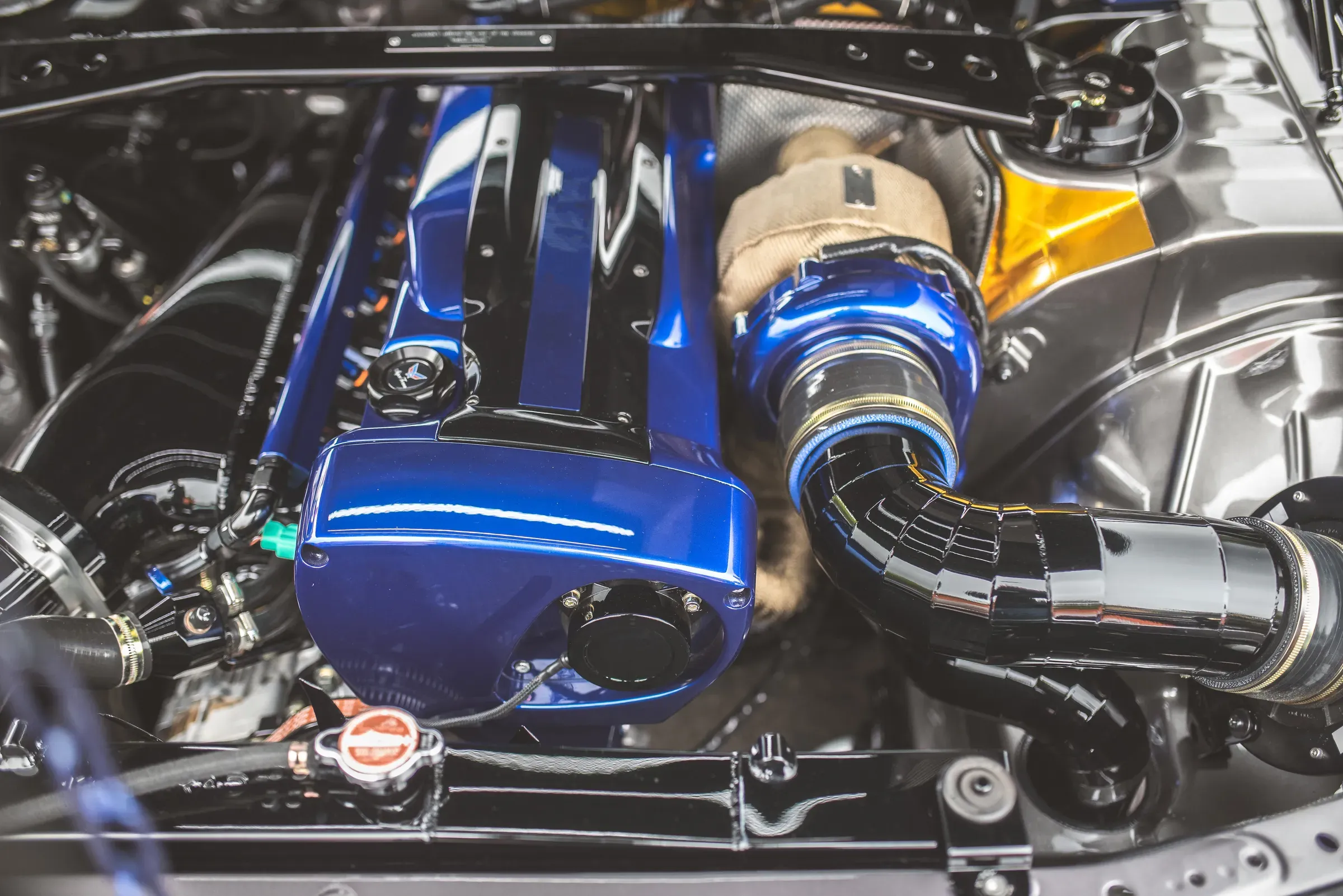
Close-up view of a polished blue performance car engine with turbocharger, performance & tuning parts ecommerce
Performance & tuning partsEnthusiasts building one specific platform who read forums and community threads first, compare install difficulty and supporting requirements, and treat unsupported power claims as a reason to look elsewhere.

How performance & tuning parts makes money

Four levers, and what limits each one here

Revenue is traffic times conversion rate times order value times purchase frequency. In this niche each lever has its own ceiling.

Traffic

Traffic: chassis codes are how this audience names a car

Enthusiasts do not search for parts for a 2016 sedan. They search for the chassis code, the engine code and the stage, because that is the vocabulary of the forums and videos they learn from. A store organised around make and model misses the language entirely. The traffic lever is a page family built on platform: a page per chassis and engine combination listing everything the store offers for it, what order the modifications are usually done in, what each one requires alongside, and the known limits of the stock components. Those pages rank because they are written in the words the audience uses and because most retailers still publish a generic category tree instead.

Conversion

Conversion: proof, supporting parts and install reality

This buyer converts on evidence rather than adjectives. That means stating what was measured and how, naming the conditions and the supporting modifications present when a result was recorded, and being explicit when a figure comes from the manufacturer rather than from the store. It also means telling the truth about installation: what tools it needs, how long it takes, whether the car has to be aligned afterwards, whether a tune is required for the part to function safely. The pages that convert list what else is needed to complete the job, because the most expensive customer experience in this category is discovering halfway through a weekend that a gasket or a tune was never mentioned.

Order value

Order value: stages are a planning tool, not a discount

Order value rises when the store sells a defined step in a build rather than a component. A stage presented as a complete package, with everything required listed and any tune or labour requirement stated up front, is easier to buy than five products a customer has to assemble themselves from forum advice. It also removes the most common cause of a failed install. Supporting parts carry natural attachment: hardware, gaskets, fluids, boots and clamps that the job consumes anyway. The point of the package is confidence rather than saving, and pricing it as a genuine kit rather than a bundled discount keeps the brand out of the discount cycle enthusiasts distrust.

Frequency

Frequency: a build is a sequence of orders

Repeat purchase here is unusually predictable because builds follow an order. Intake and exhaust come early, then suspension, then brakes, then anything that raises boost, then the supporting fuel and cooling work. A store that knows which platform a customer owns and what they have already fitted can time the next conversation accurately, which is far more effective than a promotional calendar. Track and event participants add a consumable rhythm on top: pads, fluid, tires and filters replaced on a season schedule. Both depend on capturing the platform at the first order and asking, occasionally and without pressure, where the build has reached.

Search visibility

Search: platform pages, stage guides and the legality question

Three page families carry this niche. The first is the platform page, keyed to chassis and engine code, which acts as a hub for everything the store sells for that car and explains the sequence a build usually follows. The second is the modification guide, which answers what a given part actually does, what it needs alongside, what it sounds or feels like afterwards, and what it will not do. The third is the legality and compliance page, which explains in plain terms how emissions rules apply to a category of part in the regions the store serves.

That third family is undervalued and it earns traffic all year. Buyers genuinely search whether a modification will pass inspection, whether a part carries an exemption order, and what off-road use only means in practice. Writing those pages carefully, without advising anyone to break rules and without pretending the rules do not exist, builds trust with the exact audience most likely to spend heavily later. It also gives the store a defensible position when an ad platform or a marketplace reviews its listings.

Community content is the link engine. Build threads, install write-ups with real photographs, and honest comparisons between two products that do the same job attract links from forums and video descriptions that ordinary product pages never earn. The technical work is mostly making sure those long-form pages are not orphaned in a blog, and that they link into the platform pages and the products they discuss.

Queries that matter

  • stage 2 downpipe for a b58
  • best coilovers for an fk8 civic
  • does a cat back exhaust pass emissions
  • ea888 intake supporting mods
  • carb legal cold air intake
  • e46 m3 subframe reinforcement parts
  • how much power does a tune add

Platform hubs written in chassis and engine code language, honest modification guides and compliance explainers rank here. Manufacturer copy pasted onto a product page, and category pages organised by year and model alone, do not.

AI answers

AI answers: build planning questions are being asked in sentences

Enthusiasts now ask assistants the questions they used to post on a forum: what order should I modify this car in, what does this part need to work properly, will this pass inspection where I live. Assistants answer from text they can read, so the stores that get named are the ones publishing sequenced build advice, requirement lists and compliance explanations rather than specification tables rendered by a script. We write the platform hubs and modification guides so each answer stands alone, keep every performance figure attributed to whoever measured it, and make sure the compliance language is accurate for the specific regions the store ships to.

What should I modify first on this platform and why?
Does this exhaust require a tune to run safely?
Is this intake legal for street use in my state?
What supporting parts do I need before raising boost?
Will this suspension setup need an alignment afterwards?

Questions shoppers put to assistants. A store gets named when its pages answer them in plain text.

Google Shopping and Merchant Center

Merchant Center and emissions-related product rules

Performance is one of the few automotive categories where the product itself can raise a policy question. Parts that defeat or remove emissions equipment are restricted, and listings that advertise removing, deleting or bypassing such equipment can be rejected regardless of how the part is described elsewhere. The workable approach is to keep those items out of the feed entirely, describe compliant products by what they do rather than by what they remove, and carry any exemption order number in the product data where one exists so a reviewer can verify the claim.

For the rest of the catalog the discipline is ordinary but demanding. Brand and MPN identify parts that never carried a barcode, condition is stated for used and refurbished stock, and the title leads with brand, product type and platform so a chassis code search can match. Product detail attributes carry the engine code, the fitment years, the required supporting components and the finish or material. Weight and dimensions matter because exhaust systems, intercoolers and coilover sets are bulky enough that a flat rule will misquote delivery and create a mismatch.

Campaigns split by consideration length. High-consideration lines such as forced induction and suspension need longer attribution windows and should not be judged on a short lookback. Consumables and bolt-on parts convert quickly and can be bid harder. Free listings are worth running across the compliant catalog and watching separately.

Feed attributes that decide eligibility

  • brand and mpn
  • identifier_exists where no barcode was issued
  • product_detail for engine code and platform fitment
  • product_detail for exemption order numbers where they apply
  • condition for used and refurbished stock
  • shipping_weight and dimensions for bulky systems
  • custom_label for consideration length

Disapprovals we see in this niche

  • Listings describing removal or defeat of emissions equipment
  • Off-road use only products submitted without that status being clear
  • Performance figures in the feed that read as unsupported claims
  • Shipping mismatch on long or heavy items priced by a flat rule
  • Missing brand or MPN on small hardware and fittings

Meta and social ads

Meta and social: the community judges the content before it converts

This audience is unusually good at detecting marketing, so creative that performs looks like content the community would have made anyway. Install footage, sound clips, dyno pulls with the conditions stated, disassembly showing what is inside a component, and long-form build documentation all work. Polished studio spots with power claims over music do not, and they attract comment sections that damage the brand more than the impressions help.

Audiences are built from the platform rather than from broad interests. Owners of a specific chassis can be reached through creator partnerships, community pages and lookalikes from customers who bought for that platform, which is far more efficient than targeting an interest in cars. Policy constraints are real: content promoting unsafe driving, street racing or removal of emissions equipment can restrict an ad account, and performance claims should stay within what the brand can document. Creator agreements need to cover what the creator may claim, not only usage rights, since the brand carries responsibility for statements made in its ads.

  • An install filmed start to finish with the actual tools used
  • Sound comparison recorded from the same spot with the same microphone
  • A component cut open to show the construction inside
  • A build documented across a winter, one order at a time
  • A technician explaining why a supporting part is not optional
  • Owner builds featured with the owner's permission and their own words

Policy line

No content promoting street racing or unsafe driving, no promotion of emissions defeat products, and every performance figure kept to what was actually measured and under what conditions.

Conversion and the store

The store: answering the questions a forum would ask

A performance product page competes with a thread where a dozen owners debated the same purchase. To hold its own it needs the information that thread contains: what is included down to the hardware, what is required and not included, what the installation involves, whether a tune or an alignment follows, what fitment exceptions exist by build date, and what the part is legal for in the buyer's region. Specification tables help, but the decisive content is usually a short honest paragraph about who this part suits and who would be better served by something else.

Social proof works differently here too. Star ratings carry less weight than a customer photograph of the part fitted to the same chassis, so review collection should ask for the platform and encourage images. On mobile, the fitment selector needs to accept a chassis code as well as a model, the gallery should lead with installed shots, and freight or lead time on large items belongs beside the price rather than at checkout, because this buyer plans a weekend around delivery.

Objections the page must answer

  • “Is this legal to fit and drive where I live”
  • “Does it need a tune, and is that included or extra”
  • “What else do I need that is not in the box”
  • “How hard is the install and what does it need afterwards”
  • “Are the power figures measured or estimated”
  • “Will it fit my build date and trim exactly”

Email, SMS and retention

Email and SMS: sequencing the build rather than sending offers

The most valuable email a performance store sends is the one that arrives when a customer is ready for the next step, and that timing comes from knowing the platform and the last purchase rather than from a calendar. After an intake, the conversation is about what the intake now allows. After suspension, it is about alignment and the brakes that will be working harder. Written as advice rather than as a promotion, that sequence performs because it is genuinely what the customer is already thinking about.

The other flows are practical. Install support after delivery, with the torque values, the required supporting parts and a link to a written guide, reduces both returns and support load on bulky items that nobody wants to ship back. Track and event season prompts fit consumables. Restock notifications matter more here than in most categories because popular platform parts sell out and buyers are willing to wait for a specific brand. SMS is best kept for freight delivery windows, restock alerts on a watched item and event-week reminders.

  1. Install support pack

    At dispatch, with torque values and required supporting parts

  2. Next step in the build

    Three to six weeks after a modification, based on the platform on file

  3. Season prep for track and events

    Ahead of the first event weekend, focused on consumables

  4. Restock alert for a platform part

    Immediately, for a specific product and chassis

  5. Winter build planning

    As the driving season closes, framed around a spring deadline

Where revenue leaks

The leaks we find in performance & tuning parts stores

The Growth Analysis ranks these against your own numbers and says which to close first.

Get a Growth Analysis for your performance parts brand
  • Catalogs organised by year and model, not by platform

    The audience searches chassis and engine codes and the store speaks a different language. Every platform-specific search lands on a forum or a video instead of on a page that could sell the part.

  • Required supporting parts left unmentioned

    A customer discovers mid-install that a gasket, a tune or a clearance modification was needed. The order becomes a return, a support ticket and a negative thread, all from one missing line on the page.

  • Performance figures with no method attached

    A number appears with no mention of conditions, supporting modifications or who measured it. Experienced buyers discount the whole page, and ad reviewers can treat it as an unsupported claim.

  • Compliance questions answered nowhere

    Buyers in emissions-tested regions cannot tell whether a part is appropriate for their car, so they hesitate and buy from a seller that addresses it directly.

  • Forum and video traffic with nowhere to land

    Community links point at a homepage or a category grid rather than at a platform hub, so highly qualified visitors arrive and have to start their search from scratch.

Platform notes

Where the platform changes the work

Shopify

Platform and engine codes belong in metafields or metaobjects so one dataset can generate the chassis hubs, populate the fitment block and feed the Shopping titles. Kits need a bundle approach that decrements component stock, since stage packages are assembled from products that also sell alone.

WooCommerce

Chassis and engine attributes can drive indexable archives as well as filters, and variable products with many fitment options need query tuning before catalog pages slow down under the joins.

Headless

Worth considering when the store runs long technical guides alongside the catalog and wants full control over how platform hubs, guides and products are assembled into one navigable structure.

Questions

Performance & tuning parts owners ask us

By CartKernel · Last reviewed

How should a store handle parts that are not street legal everywhere?

Describe the status plainly on the page, keep restricted items out of the Shopping feed, and publish a compliance explainer for the regions you serve. Carrying an exemption order number where one exists helps both buyers and reviewers. What causes trouble is silence, or wording that hints at circumventing a rule, since that puts the whole ad account at risk rather than one listing.

Can we publish dyno results without running into claim problems?

Yes, when the method is attached to the number. State the vehicle, the supporting modifications, the fuel, the correction standard and who performed the run, and make clear that individual results vary. Enthusiasts respect that framing and reviewers accept it. A bare figure with no context is both less persuasive to the audience and more exposed to policy review.

Is forum and community marketing still worth the effort?

For a platform-focused brand, it is often the highest-value channel available. Technical write-ups, honest answers in threads and support presence build the reputation that makes a product the default recommendation for a chassis. It is slow, it cannot be bought at scale, and it does not report cleanly in an analytics dashboard, which is why so few competitors sustain it.

Why does paid search look unprofitable on our big-ticket parts?

Usually because the measurement window is shorter than the decision. Somebody researching a turbo kit may take two months and several devices to buy. Judging that campaign on a short lookback attributes the sale elsewhere. We lengthen the window for high-consideration lines, separate them from quick-converting consumables and read them against actual order data rather than platform-reported conversions alone.

Should stage kits be sold as bundles or as separate products?

Both, with the kit as the recommended path. The kit removes the risk of a missing component and lifts order value; the individual products serve customers who already own part of the setup. The requirement is that stock stays accurate across both, which means the bundle has to draw down the same inventory rather than existing as an independent item.

How do you approach reviews for performance products?

By asking for the platform and encouraging photographs of the part fitted. A review from an owner of the same chassis with an installed picture is worth far more to the next buyer than an anonymous rating. We also surface reviews filtered by platform on the product page, so a reader sees experience relevant to their own car rather than an averaged score.

Grow your performance & tuning parts store.

A free Growth Analysis ranks what your store should fix first, by revenue at stake, in about a week.