Skip to content

Automotive & powersports · ecommerce growth

ATV parts marketing agency

Two riders with the same machine can want completely different things from it. One is plowing a driveway in January, one is running dunes in July, one is hauling feed on a farm every day of the year. The parts they need barely overlap even though the fitment data is identical. We build a catalog that speaks to the job as well as the machine, fitment pages precise enough to be trusted, and campaign pacing that recognises how much of this category is decided by weather.

The buyer, in brief

Consideration
Minutes for maintenance items, days to weeks for winches, plows, tires and suspension where mounting and compatibility need checking
Purchase frequency
Maintenance on an hours or seasonal cycle, accessories clustered around season changes and new machine purchases
Seasonality
A plow and winch rush before the first snow, a spring trail opening, a summer dune and recreation peak and a hunting season lift in autumn
Price band
Low for filters, belts and consumables, high for tire and wheel sets, winches, plow systems and suspension
Return risk
Moderate, driven by mount kit mismatches, wheel bolt pattern errors and accessories that conflict with something already fitted
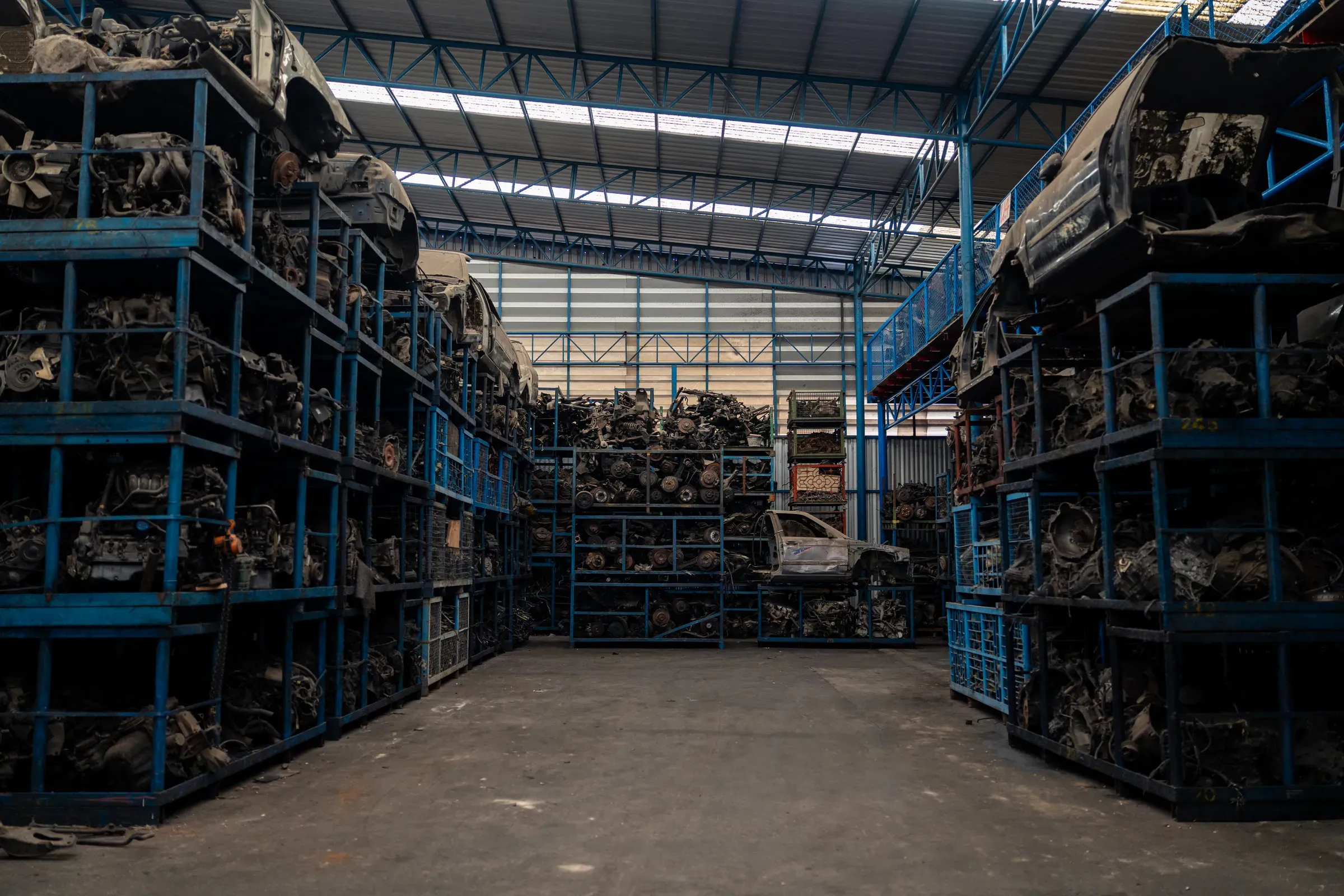
Large industrial warehouse filled with stacked metal shelves containing used automotive parts, engines, and, atv & utv parts ecommerce
ATV & UTV partsTrail and dune riders, farm and property owners using machines as working equipment, and hunters and outdoor users, all of whom search by machine make, model and year and check accessory compatibility with what is already fitted.

How atv & utv parts makes money

Four levers, and what limits each one here

Revenue is traffic times conversion rate times order value times purchase frequency. In this niche each lever has its own ceiling.

Traffic

Traffic: the machine and the job are two different searches

Fitment searches name a make, model and year, and they behave like any other vehicle catalog. Use-case searches name a job instead: plowing a long driveway, hauling on a farm, riding deep mud, running dunes with paddle tires. Most stores build only for the first and leave the second uncontested, even though the job searches carry high intent and less competition. The traffic lever is two page families that cross-reference each other. Machine pages list everything that fits a given model and year. Use-case pages explain what a particular job requires, what to avoid, and which machines handle it well, then link into the fitment pages so a reader with a job in mind reaches the parts that fit their own quad or side by side.

Conversion

Conversion: mounts, clearance and what is already on the machine

Accessory purchases in this category fail on the interaction between parts rather than on the part itself. A winch needs the correct mount plate and often a different bumper. A plow needs a mount, a push tube and sometimes a winch to lift it. Larger tires may need a lift, and a lift may change the drive belt geometry. Machines that already carry accessories create conflicts that nobody warns about. Conversion comes from stating the complete requirement on the page, naming what will not work alongside it, and being explicit about whether the buyer needs anything they probably already have. A short compatibility note prevents most of the returns in this niche.

Order value

Order value: outfit the machine for the season it is about to face

The natural bundle here is not a discount pack, it is a season. A machine being prepared for winter work needs a plow system, a winch to lift it, a mount, hand guards or a cab enclosure and possibly a heated grip kit. A machine being prepared for a dune trip needs different tires, a whip and flag, and often a clutch kit. Presenting the whole outfit for a specific machine and a specific use raises the order substantially and reduces the chance of a missing bracket ruining a weekend. Consumables attach easily on top, since filters, belts, oil and spark plugs are wanted whenever somebody is already working on the machine.

Frequency

Frequency: two or three seasonal switches every year

Owners in most regions reconfigure their machine at least twice a year, from winter work to summer recreation and back, and each switch has a predictable parts list. Add hunting season for some customers and the maintenance cycle for everyone, and a single machine generates several distinct buying moments annually. All of it depends on knowing the machine and roughly how it is used, which can be captured at the first order with two questions. Working owners on farms and properties buy more consistently than recreational riders and reward availability and dispatch speed, since a machine out of service costs them work rather than a weekend.

Search visibility

Search: machine fitment, use-case guides and seasonal preparation

Machine pages carry the fitment demand. A page per make, model and year range that lists what the store supplies for it, notes the mid-cycle changes that catch people out, and covers the accessories that need model-specific mounts. These are generated from fitment data but they need genuine per-machine notes, because the search competition includes marketplaces and dealer sites that publish the same compatibility table with nothing added.

Use-case content is the differentiator and it is where the larger orders start. Guides on setting a machine up for plowing, for mud, for dunes, for farm work or for hunting, each explaining the requirements, the trade-offs and the mistakes people make. These pages hold rankings through the year and spike when the season arrives, and they give the store somewhere to be genuinely useful rather than merely available.

Maintenance and seasonal preparation guides complete the structure: belt replacement, valve and filter intervals, storage and winterisation, and what to check after riding in water or deep mud. Technically, the main tasks are getting the machine taxonomy right so parts appear on every page they truly fit, controlling the URL space that make, model and year facets create, and keeping the guides linked into the catalog rather than isolated.

Queries that matter

  • winch mount for a polaris ranger 1000
  • plow kit for an atv with a winch
  • best mud tires for a side by side
  • cvt belt replacement interval
  • 27 vs 30 inch tires on a utv
  • atv storage and winterization checklist
  • clutch kit for larger tires

Machine pages with real per-model notes, use-case setup guides and honest maintenance content rank in this niche. Compatibility tables republished without commentary, and generic powersports category pages, do not.

AI answers

AI answers: setup questions with practical constraints

Riders ask assistants how to set a machine up for a job and whether specific parts will work together. Those questions have practical answers involving mounts, clearance, weight, belt geometry and power, and an assistant will attempt them from whatever text it can read. Stores get named when the requirements and conflicts are written out rather than encoded only in a fitment tool, and when the machine names and model years are spelled the way owners say them. We write use-case and compatibility guidance answer-first, state clearly what an accessory needs alongside it, and keep the fitment claims consistent between the page, the structured data and the feed.

What do I need to fit a plow to my machine?
Will larger tires require a clutch kit or a lift?
Which winch capacity suits the weight of my side by side?
How often should the drive belt be replaced?
What should I do to store a quad over winter?

Questions shoppers put to assistants. A store gets named when its pages answer them in plain text.

Google Shopping and Merchant Center

Shopping feeds for powersports fitment and seasonal peaks

Fitment has to survive in the title because there is no compatibility attribute. Leading with brand, product type and the machine application matches how these searches are typed, with product detail attributes carrying the model coverage, the mount requirement, the bolt pattern for wheels and any conflict with other accessories. Aftermarket parts frequently have no barcode, so brand and MPN identify them and identifier_exists is set honestly rather than filled with a placeholder.

Weight and dimensions matter across a surprising share of this catalog. Plow systems, tire and wheel sets, bumpers and cab enclosures are all beyond parcel size, and a shipping rule written for filters will misquote them and produce disapprovals on exactly the products carrying the margin. Tires and wheels sold as sets need their shipping expressed for the set rather than the item.

Pacing is the strategic decision. Plow and winch demand concentrates hard around the first cold weather, and that timing moves by weeks across a country. Seasonal campaigns should release regionally on weather rather than on a fixed date, with recreation lines carrying the summer and consumables running year round. Free listings deserve their own reporting line because the long tail of fitment parts often performs there.

Feed attributes that decide eligibility

  • brand and mpn
  • identifier_exists on unbranded aftermarket parts
  • title carrying the machine application
  • product_detail for model coverage and mount requirements
  • product_detail for bolt pattern and wheel offset
  • shipping_weight and dimensions for sets and oversized items
  • custom_label for seasonal release

Disapprovals we see in this niche

  • Shipping mismatch on plow systems and tire and wheel sets
  • Titles crowded with every compatible machine to catch more searches
  • Missing identifiers on mounts, brackets and hardware
  • Availability drift on drop-shipped seasonal items during the peak weeks

Meta and social ads

Meta and social: the terrain does the advertising

Footage of machines working is inherently engaging and this category has more of it than almost any other. A plow clearing a long driveway in one pass, a winch recovering a machine from deep mud, a side by side climbing a dune, a farm machine doing a genuinely useful job. The content sells the accessory without needing a claim, because the viewer can see what it does. Installation footage performs almost as well, particularly for mounts and plow systems where buyers want to know how involved the job is.

Audiences segment by use rather than by machine, since a farm owner and a dune rider want nothing in common even when they own the same model. Geography matters for seasonal lines, and a plow campaign running in a warm region is spending on people who will never need one. Policy points to watch are content showing unsafe riding, riders without helmets, or use by children on machines not intended for them, all of which can restrict an account. Recovery and towing capacity claims should match the manufacturer's rating exactly.

  • A driveway cleared in a single pass with the plow setup named
  • A recovery filmed properly, showing correct winch technique
  • The same machine set up for winter work and for summer riding
  • A mount and plow installation timed from start to finish
  • A working owner explaining what earns its place on the machine
  • Tire choice compared on the same terrain back to back

Policy line

Match winch and towing ratings to the manufacturer's figures, avoid content showing unsafe riding or riders without protective equipment, and never depict machines being used by riders they are not intended for.

Conversion and the store

The store: fitment, mounts and conflicts settled before checkout

The page has to answer a compatibility question with more than one dimension. Does it fit the machine, does it need a mount and is that mount included, does it require something else the buyer may not own, and will it conflict with an accessory already fitted. Stating all four plainly, with the required items addable in a single action, is the difference between an order that completes and a package that comes back. Wheel and tire pages need bolt pattern and offset stated in a way a buyer can check against their own machine.

Seasonal urgency is real and should be handled honestly rather than manufactured. When snow is forecast and a plow system takes several days to arrive, a clear dispatch cutoff and delivery estimate serve the customer and lift conversion at the same time. On mobile, the machine selector should persist across the session, the requirements block belongs above the description, and stock and delivery timing should be visible without scrolling, because a large share of these decisions are made quickly when the weather turns.

Objections the page must answer

  • “Does this fit my exact model and year”
  • “Is the mount included or is it a separate part”
  • “Will it work with the accessories already on my machine”
  • “Do larger tires mean I also need a clutch kit or a lift”
  • “Will it arrive before the weather changes”
  • “Is the winch rated for the weight of my machine”

Email, SMS and retention

Email and SMS: the seasonal switch and the machine on file

The programme is built around the machine and the way it is used, both of which can be captured with two questions at the first order. With that in place, the autumn message is a winter setup list for a specific model, the spring message is a trail season preparation list, and the summer message reaches recreational users with what their kind of riding actually needs. Each is specific enough to be worth opening, which is why these sends outperform a general powersports newsletter by a wide margin.

Maintenance flows fill the gaps. Belt and filter reminders based on time and estimated use, a post-water-crossing check for riders who go through deep mud, and a storage sequence at the end of the season. Working owners on farms and properties should be treated more like trade customers, with availability and reordering rather than seasonal advice. SMS earns its place for weather-driven urgency around plow season, for freight delivery on tire sets and plow systems, and for restock alerts on model-specific mounts.

  1. Machine and use capture

    Immediately after the first order, with two short questions

  2. Winter setup list

    Weather-triggered by region, ahead of the first snow

  3. Trail season preparation

    As riding season opens locally, focused on service and inspection

  4. Maintenance interval reminder

    Estimated from purchase date and stated usage

  5. End of season storage

    As the riding season closes in cold regions

  6. Mount or accessory back in stock

    Immediately, for a specific machine and model year

Where revenue leaks

The leaks we find in atv & utv parts stores

The Growth Analysis ranks these against your own numbers and says which to close first.

Get a Growth Analysis for your ATV and UTV store
  • Winches sold without the mount that fits the machine

    The winch arrives and will not attach, so the customer waits for a second order or returns the first. Pairing the mount to the machine on the page removes the problem and raises the order at the same time.

  • Plow budget released on a calendar date

    The campaign starts on a chosen day rather than when the weather turns, which either wastes weeks of spend or misses the few days when almost every search converts.

  • Use-case demand left entirely to competitors

    The store covers machine fitment thoroughly and says nothing about plowing, mud, dunes or farm work, which is where the larger orders and the less contested searches actually are.

  • Wheel specifications missing from the page

    Bolt pattern and offset are absent or hidden, so buyers guess, order a set of four and return them at freight cost when they do not fit.

  • Accessory conflicts discovered during installation

    A new part will not sit alongside something already fitted, and nothing on the page warned about it. The customer loses a weekend and the store loses both the order and the trust.

Platform notes

Where the platform changes the work

Shopify

Machine fitment and mount requirements are best held outside the product record, with metafields carrying model coverage onto the page and into feed titles. Seasonal outfits should draw down component stock rather than existing as separate bundle products, and oversized items need their own shipping profiles.

WooCommerce

Make, model and year attributes can power indexable archives as well as filters, and shipping classes separate parcel parts from tire sets and plow systems. Facet control matters early, because machine catalogs generate very large URL spaces.

BigCommerce

Product rules can express mount and hardware options without cloning products, and per-product shipping settings suit a catalog split between small consumables and freight-sized seasonal systems.

Questions

ATV & UTV parts owners ask us

By CartKernel · Last reviewed

How should plow and winch campaigns be timed?

On weather rather than on a date, and regionally rather than nationally. The first sustained cold spell moves this demand far more reliably than any chosen launch day, and it arrives weeks apart across a large country. We build the seasonal campaigns so budget releases locally when conditions change and reduces once the peak has passed.

Why do accessory returns happen even when the fitment is correct?

Because fitment and compatibility are different questions. A part can fit the machine and still conflict with a bumper, a winch or a set of oversized tires already installed. Listing what an accessory requires and what it will not work alongside prevents most of these, and the information usually already exists in the support inbox.

Are use-case pages really worth building alongside machine pages?

Yes, and they often produce the larger orders. Somebody searching how to set a machine up for plowing is buying a system rather than a part, and there is far less competition for those searches than for fitment terms. The two page families support each other, with the guide explaining the requirement and the machine page confirming what fits.

How do you compete with powersports dealers online?

By covering more machines than any single dealer can stock and by publishing the setup knowledge that dealers keep at the parts counter. Dealers hold warranty work and local service. An online store wins on breadth, on availability during the seasonal rush and on being genuinely useful before the purchase rather than at the till.

What is the right way to handle youth and smaller machines?

Carefully and accurately. Age and size recommendations come from the manufacturer and should be reproduced rather than interpreted, protective equipment should be presented as part of the purchase, and advertising creative should never depict a machine being used by a rider it is not intended for. Getting this right is both a policy requirement and a straightforward safety obligation.

How much of this catalog can realistically be advertised?

Most of it, once shipping data is accurate for the oversized lines. The parts that cause trouble are tire sets, plow systems and cab enclosures priced by a parcel rule, which is where disapprovals concentrate. Fix the weights, dimensions and shipping rules first and a large share of the reporting problems in this category resolve themselves.

Grow your atv & utv parts store.

A free Growth Analysis ranks what your store should fix first, by revenue at stake, in about a week.