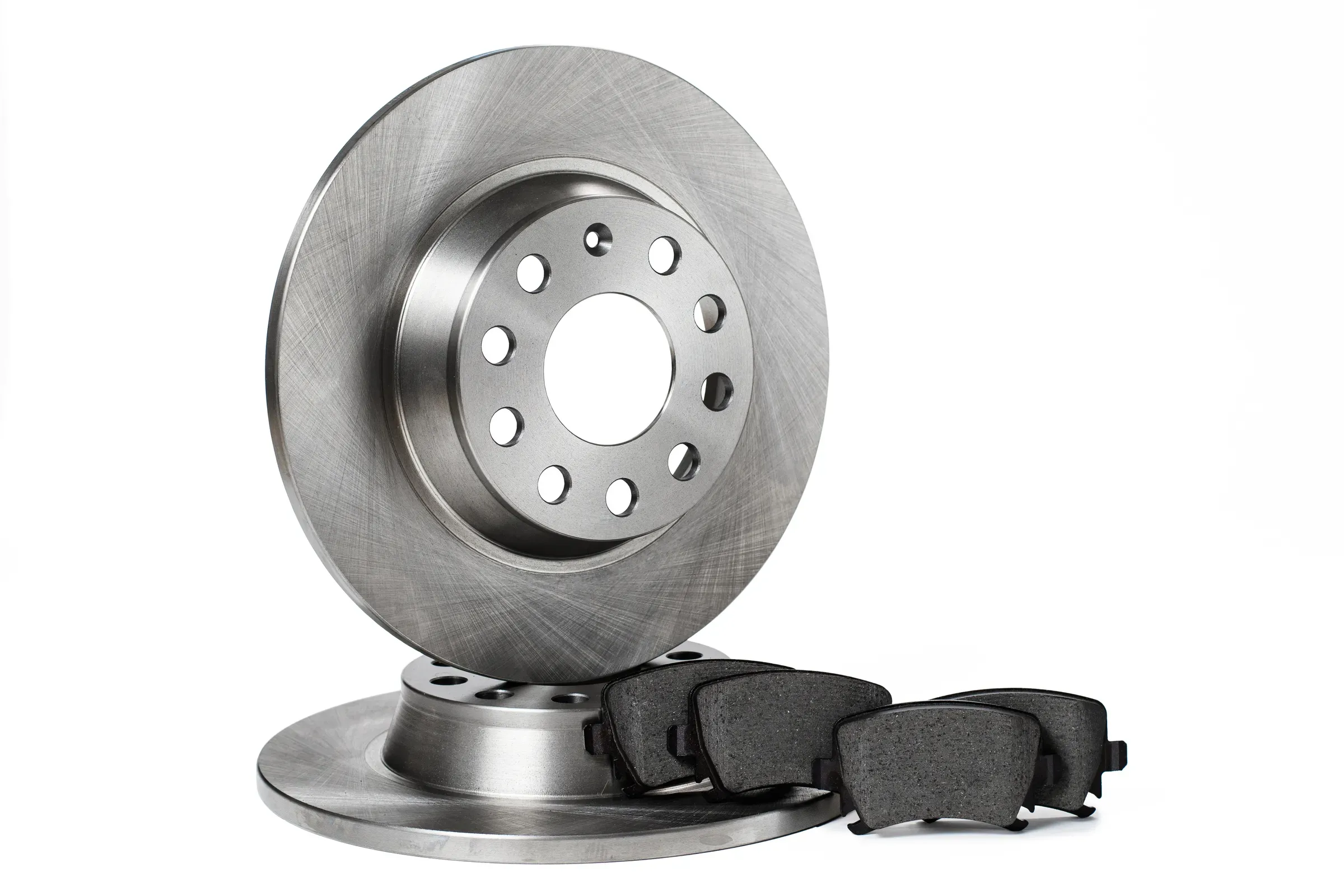
Auto parts search splits into three shapes and each needs its own page type. Vehicle plus part queries are the volume: a person types the year, make and model with the component they need, and the page that wins is one that lists every part fitting that application with the notes that separate them. Part number queries are the intent: someone has the number and wants a price, a photograph and a fit confirmation. Interchange queries sit between the two, where a shopper has an OEM number and wants to know which aftermarket equivalent replaces it.
Building this means generating pages from the fitment data rather than hand-writing them, with rules about what is allowed to exist. A combination with no stock and no demand should not become a page. A combination with several products should get a page that explains the difference between them, mentions the trim or build-date split that causes it, and answers the questions that application attracts. Part number pages need the number in the heading, the compatible vehicles as text, the cross references, and a canonical decision so that a number listed by three brands does not produce three competing pages.
The technical work is mostly about volume control. Faceted navigation in a parts catalog can generate millions of URLs, so crawl rules, canonical tags and a considered decision about which facets are indexable have to be made before the pages are built. Superseded part numbers should redirect to their replacements rather than disappear, and discontinued parts with search demand should keep a page that names the replacement instead of returning a not found.