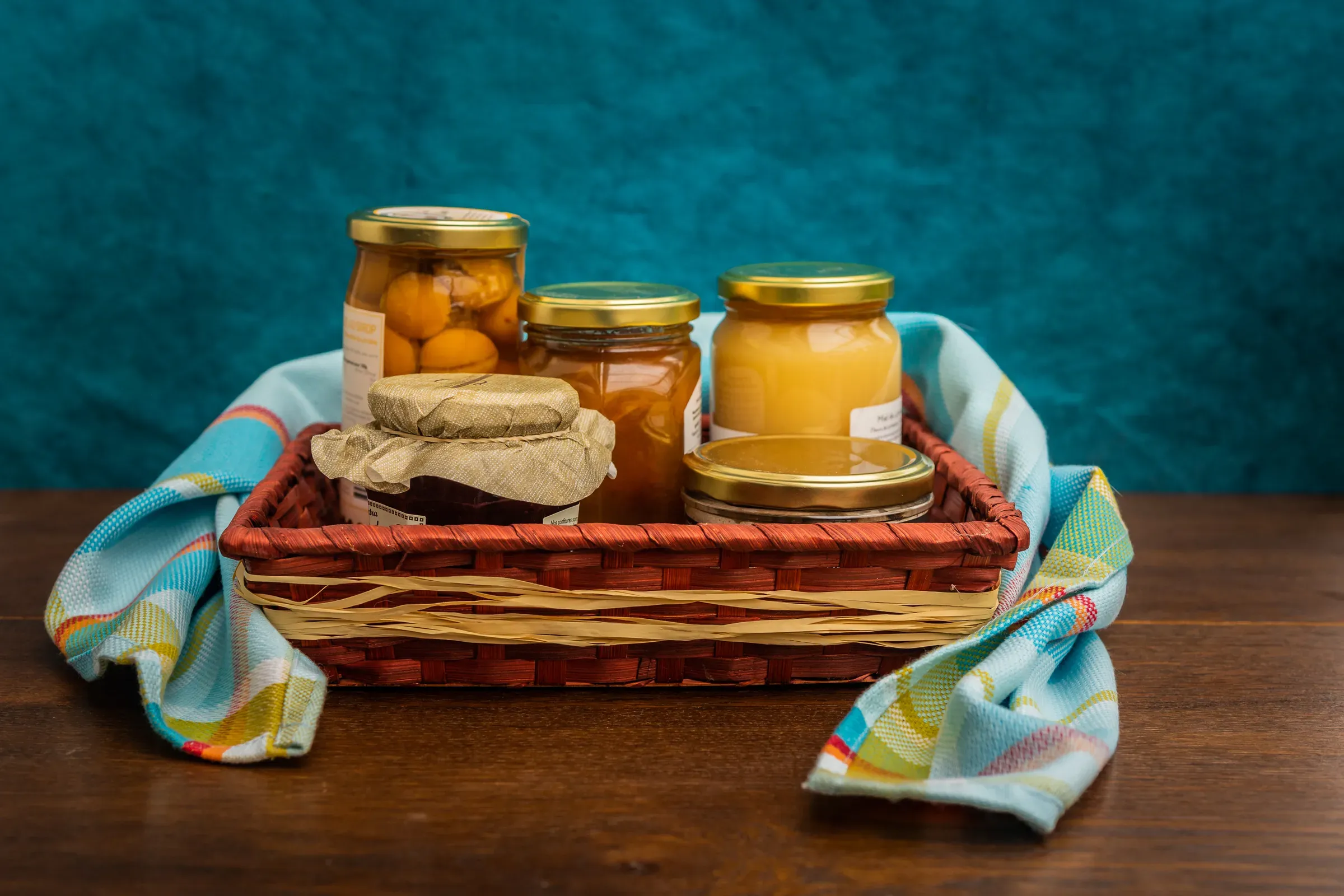
The category has three demand clusters and most sites only serve one. The first is occasion, which is well understood: Christmas, birthday, new baby, sympathy, thank you, housewarming. The second is contents, which is where the buying language actually lives, since people search for a wine hamper or a chocolate box rather than for a gift basket. The third is constraint, covering gluten free, nut free, kosher, halal, alcohol free, vegan and diabetic-friendly, and these pages convert unusually well because the shopper has already been let down elsewhere.
Build each of the three as real collection pages with editorial copy that says what is in the range and who it suits. Contents pages should name producers where the store can, since that specificity is what separates the page from a grid. Constraint pages need an honest statement about the production environment, because a shopper avoiding nuts wants to know whether the kitchen handles them at all.
The corporate side needs its own indexable section rather than a footer link. Buyers search in workplace language, and the page that catches them has to answer minimums, budgets per head, branding options and multi-address delivery. Technically, keep the bundle pages canonical and stable, retire seasonal boxes into a permanent theme page rather than deleting the URL each January, and set availability from the scarcest component so the store never sells a basket it cannot assemble.