Skip to content

Food & beverage · ecommerce growth

Functional beverage marketing agency

A functional drink is bought for what is in it and repeated because of how it fits a day. The shopper reads the panel before the flavour, wants to know the caffeine figure exactly, and looks for a third-party mark before believing anything about the actives. Then the economics take over, because shipping liquid one can at a time does not work. We build energy and wellness beverage brands around both halves: search and creative that describe the ingredients without crossing into claims, feeds that survive supplement review, and a case and subscription structure that matches how fast people actually drink.

The buyer, in brief

Consideration
One session for a single can, a week or more before committing to a twenty-four pack or a subscription
Purchase frequency
Daily or several times a week, which turns a case into a two to four week supply
Seasonality
A January lift for wellness formats, a summer peak for hydration, and steady demand tied to training and work cycles
Price band
Priced per can against convenience store shelves, and per case against a marketplace listing
Return risk
Low, mostly damaged cans and flavour disappointment, which makes the sampler the cheapest insurance you can sell
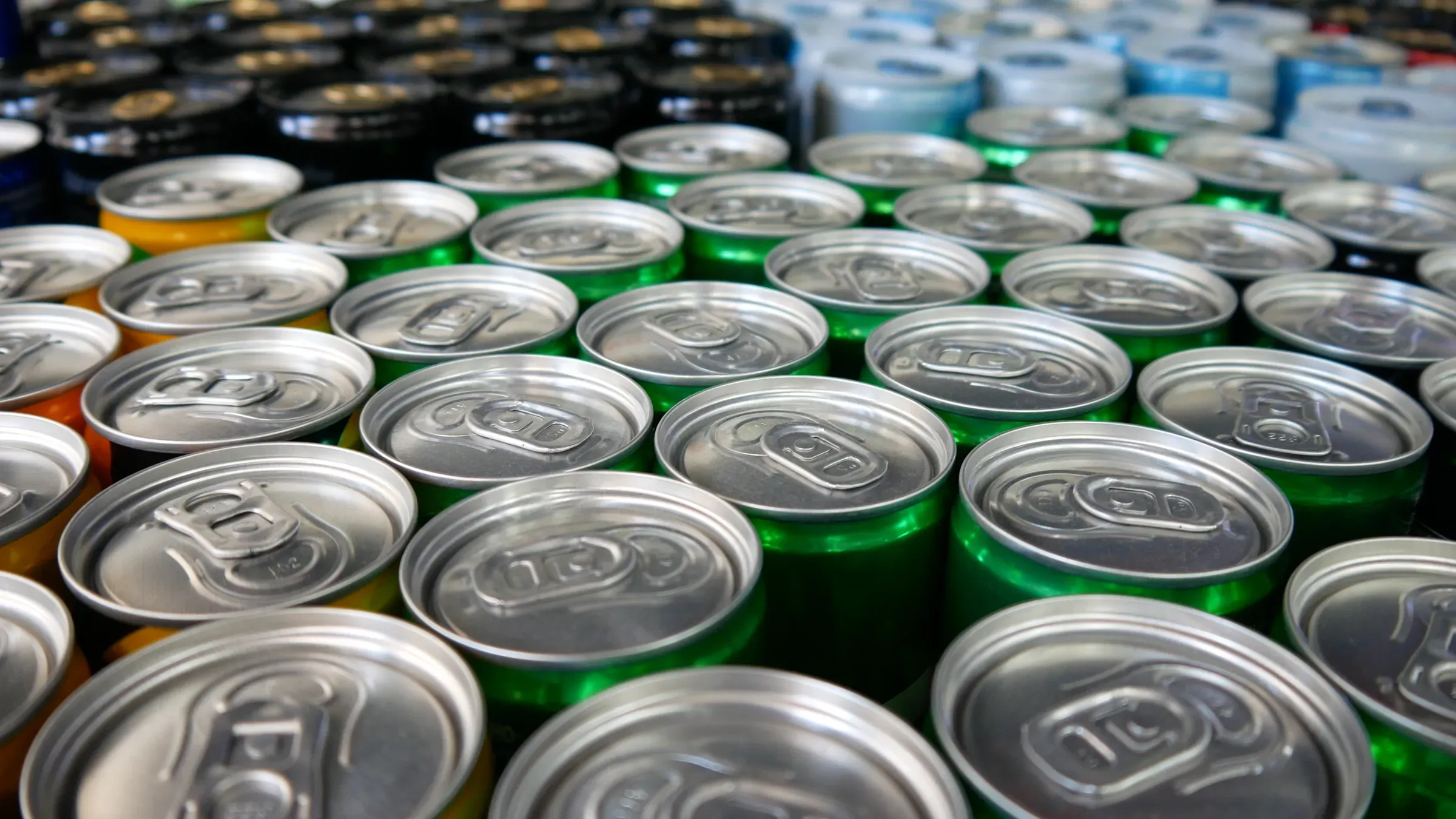
Close-up of many different colorful soda cans, functional beverages & energy ecommerce
Functional beverages & energyPeople buying a drink for a specific job, whether that is a training session, a shift, a study block or an afternoon, who read the panel, count the caffeine and look for testing marks before they trust an active.

How functional beverages & energy makes money

Four levers, and what limits each one here

Revenue is traffic times conversion rate times order value times purchase frequency. In this niche each lever has its own ceiling.

Traffic

Traffic: ingredient and use-case demand, described carefully

The searches that bring buyers here name an ingredient, a number or a moment. Caffeine content, electrolyte composition, sugar-free formats, specific actives, and the situation the drink is for. Writing those pages is a discipline exercise, because the honest way to describe an ingredient sits close to a line you cannot cross, and the words that would rank fastest are frequently the words that get an account reviewed. We build ingredient and format pages that explain what an active is and what dose is in a serving, use-case collections that group products by the moment rather than the promise, and comparison content about caffeine levels and sweeteners that answers the question people are actually typing.

Conversion

Conversion: the panel, the number and the mark

This shopper converts on evidence, not atmosphere. The supplement or nutrition panel needs to be readable text rather than a photograph, the caffeine figure per serving needs to be visible without scrolling, and any third-party testing or sport certification the product carries should be shown with the certifier's own wording. Sweetener type matters more than most brands expect, because a large share of returns and one-star reviews come from someone who did not expect stevia or sucralose. A sampler or a four-pack as the entry format removes the risk of committing to twenty-four cans of a flavour nobody in the house likes.

Order value

Order value: a case is the only format that ships economically

Cans are heavy, cheap per unit and expensive to move, so the entire margin structure of a direct beverage brand depends on getting the basket to a case or more. That means the case has to be the default choice on the page rather than an option below it, with the per-can price shown next to the single-unit price so the arithmetic makes itself. Build-your-own cases raise both the value and the satisfaction, because the customer buys the flavours they will actually drink. Shipping tiers should be built from real box weights, and free shipping thresholds set just above the case that pays for itself.

Frequency

Frequency: cans per week, not months

Subscription in this category fails when the interval is chosen by the brand instead of by consumption. Someone drinking one can a day empties a twenty-four pack in under a month, someone drinking three a week takes two months, and offering everyone a monthly plan guarantees that half the subscribers accumulate stock and cancel. The cadence question belongs at sign-up, the plan should be adjustable in the account without contacting anyone, and flavour swaps between shipments keep the habit interesting. We report subscription revenue, churn by cadence and the share of customers who changed their interval, because that last number tells you whether the default was ever right.

Search visibility

Search for functional drinks: ingredients, doses and honest comparisons

Ranking here starts with the ingredient pages, because that is where the informational demand sits. A page for each active should say what it is, what dose your drinks contain per serving, what form it takes and what it is commonly used for, written in the careful register that regulators and ad reviewers both expect. Those pages earn links, answer the questions people ask before buying, and give the product pages something authoritative to link from.

The second layer is format and attribute collections. Sugar-free, zero calorie, caffeine-free, high electrolyte, ready to drink and powder are the filters people search by name, so each needs an indexable collection with real copy rather than a parameter that search engines discard. Flavour pages are worth building only where a flavour has its own demand, which is more common in this category than most.

The third layer is comparison. Caffeine content across formats, sweetener types, and what separates a hydration drink from an energy drink are all queries with weak answers in the results today. Technically, keep flavours of one drink together as variants under a single product so the index holds one page, keep case sizes from becoming duplicate URLs, and ensure the panel is present as text for every product.

Queries that matter

  • sugar free energy drink canada
  • how much caffeine in one can
  • electrolyte drink without sugar
  • nootropic drink for focus
  • prebiotic soda variety pack
  • energy drink with no artificial sweetener
  • hydration drink for hot weather

Ingredient and dose pages, sweetener and caffeine comparisons, and format collections with genuine copy rank in this category. Flavour grids with a slogan and a buy button do not.

AI answers

AI answers: dose, caffeine and whether it has been tested

Assistants get asked precise things here. How much caffeine is in one can, whether a drink contains a particular sweetener, whether it is safe to drink two in a day, whether it carries a testing mark for competitive sport, and what the difference is between two formats. A brand becomes the source when those figures exist as text on the page in the same units the question uses, when the panel is not locked inside an image, and when the testing programme is named the way the certifier names it. We write the ingredient and product pages so each of those answers is one clear sentence, and keep the same numbers in the feed, the page and the packaging copy.

How much caffeine is in one can of this drink?
Does this drink contain artificial sweeteners?
Is this energy drink tested for banned substances?
What is the difference between a hydration drink and an electrolyte powder?
Can I drink two of these in a day?

Questions shoppers put to assistants. A store gets named when its pages answer them in plain text.

Google Shopping and Merchant Center

Merchant Center for functional drinks: supplement review and pack maths

Anything with an active in it can be pulled into supplement and healthcare review, and the trigger is usually language rather than the product itself. Titles and descriptions that promise focus, energy, recovery or immunity behave differently to titles that state what is in the can and how much. We write feed text that describes the drink, its format, its flavour, its caffeine figure and its pack size, and keep every claim on the landing page where a reviewer can find the substantiation. Some actives sit in restricted categories in certain countries, so eligibility gets checked per market before a campaign is planned.

The second half of the work is packaging arithmetic. Every flavour and every pack size needs its own identifier from the label, cases of a single flavour are multipacks with the quantity declared, mixed cases are bundles, and unit pricing lets a shopper compare a twenty-four pack against a four-pack without doing the maths. Flavours belong in one item group so Shopping understands them as one product family.

Campaign structure follows margin. Samplers and four-packs acquire, cases and subscription-eligible products are bid to margin, and free listings run across the catalog on their own reporting line.

Feed attributes that decide eligibility

  • gtin for every flavour and every pack size
  • item_group_id grouping the flavours of one drink
  • multipack declared on twelve and twenty-four packs
  • product_detail for caffeine and each active per serving
  • unit_pricing_measure set per can
  • custom_label for subscription-eligible cases

Disapprovals we see in this niche

  • Supplement or healthcare review triggered by focus, energy or recovery language
  • Missing multipack attribute on cases, compared against a single can
  • Restricted ingredient review in a market where an active is not permitted
  • Price mismatch when the subscription price is displayed ahead of the one-time price

Meta and social ads

Meta for energy and wellness drinks: the can, the panel and the moment

The creative that performs here is fast and physical. The can opening, the pour, the condensation, the moment it is being drunk, and the panel read out with the numbers on screen. Flavour ranking videos work because flavour is the most common reason someone hesitates. Sampler unboxings work for the same reason. What creates policy trouble is the promise: implying the drink fixes tiredness, improves performance or replaces sleep moves the ad into health rules, and personal-attribute framing about the viewer's energy or body does the same.

Audiences start with your buyers and site visitors, then broad prospecting with strong creative, because interest targeting in beverages is crowded and the creative does most of the work anyway. Athlete and creator partnerships need written rights, and someone has to check the script before it runs, since a creator who says the drink helped them recover has just made a claim on the brand's account. Catalog ads work well for case and subscription retargeting once flavours are grouped correctly.

  • The can cracked open and poured over ice in five seconds
  • The panel read aloud with caffeine and sweetener named on screen
  • Flavours ranked by sweetness and carbonation in one take
  • A sampler opened and tried in order, reactions unedited
  • Where the drink fits in a real day, filmed without a script

Policy line

Health and supplement rules limit claims about energy, focus, recovery and performance, personal-attribute framing about the viewer, and before-and-after style comparisons, so creative describes the drink and its panel rather than a result.

Conversion and the store

Product pages for functional drinks: numbers first, case by default

Everything this shopper needs is a number, so the page should lead with numbers. Caffeine per serving, calories, sugar, the actives and their doses, the sweetener by name, and the pack size. Put the panel in as text rather than as an image so it is readable, searchable and quotable. Testing and certification marks go near the panel, worded as the certifier words them, because a paraphrased certification reads as a claim rather than a fact.

The case has to be the obvious choice. Show the per-can price beside the single-unit price, put the build-your-own option in reach, and make the subscription toggle explain what it changes rather than just showing a lower number. On mobile, keep the flavour selector to one row, keep the panel above the reviews, and put the shipping estimate next to the case selector, because the case decision and the delivery decision are made at the same moment.

Objections the page must answer

  • “Exactly how much caffeine is in one serving”
  • “What sweetener does it use and will it taste artificial”
  • “Has anyone independently tested what is in it”
  • “Is the case actually cheaper than buying it at a shop”
  • “Which flavour should I start with”

Email, SMS and retention

Email and SMS: cadence set by consumption, not by the calendar

Retention starts with a question most brands never ask: how many of these do you drink in a week. The answer sets the replenishment timing, the subscription interval and the size of the case you should recommend, and it can be collected in one click in a post-purchase email. Without it, every reminder is a guess and the subscription defaults to a monthly interval that suits nobody in particular.

The flows that matter are the first-case follow-up asking which flavour worked, the replenishment nudge timed to the answer about weekly consumption, a swap window before each subscription charge so the next box is not the same box, and an education series that explains one ingredient at a time in careful language. SMS is well suited here because the audience skews toward people who buy from their phone, and it works best for restocks, flavour launches and the pre-billing swap reminder rather than for general promotion.

  1. Which flavour worked

    Five to seven days after the first case arrives

  2. Cans per week replenishment

    Timed to the consumption answer, typically two to six weeks

  3. Subscription swap window

    Three to five days before each charge

  4. One ingredient at a time education

    Weekly for the first month after a first order

  5. Restock and new flavour alert

    On availability, to subscribers who asked for it

Where revenue leaks

The leaks we find in functional beverages & energy stores

The Growth Analysis ranks these against your own numbers and says which to close first.

Get a Growth Analysis for your beverage brand
  • A subscription interval nobody chose

    Every plan defaults to monthly regardless of how fast the household drinks, so half the subscribers build a stockpile and cancel while the other half run out and reorder somewhere else.

  • Copy written ahead of what the label supports

    A description promises focus or recovery, review pulls the listing into health policy, and the account spends the launch window in an appeal queue instead of in the auction.

  • Flavours split into separate products

    Each flavour has its own product page and its own listing, so reviews are scattered, the index holds a dozen thin pages and Shopping never understands them as one family.

  • Single cans sold direct at a loss

    A single can ships with flat-rate delivery that does not cover the weight, and the orders that look like new customers are subsidised by the cases they never buy.

  • The panel published as a photograph

    The one piece of information the buyer came for cannot be read on a phone, cannot be indexed and cannot be quoted by an assistant, so the page loses the search and the sale together.

Platform notes

Where the platform changes the work

Shopify

Flavours belong as variants of one product with pack size as a second option, and the panel should live in metafields so the same numbers reach the page, the feed and the flows. Subscription apps need a cadence chosen by the customer and editable in the account, and build-your-own cases are cleaner as a bundle app than as dynamic pricing.

WooCommerce

Variable products handle flavour and pack size well, but the feed plugin has to be mapped so multipack quantity and unit pricing are exported rather than left blank, which is the usual cause of a case being compared against a single can.

Headless

Worth it when the brand runs heavy content around ingredients and needs those pages fast on mobile, provided the panel and the product data render server side so reviewers, crawlers and assistants all see the same numbers.

Questions

Functional beverages & energy owners ask us

By CartKernel · Last reviewed

How do we describe our ingredients without getting the account restricted?

State what is in the drink and how much, and let the reader draw the conclusion. Naming an active and its dose per serving is a fact. Saying the drink delivers focus or recovery is a claim, and it moves the listing into health and supplement rules. We write feed and ad copy in the first register, keep any substantiation on the landing page, and review new copy against current policy before it goes live.

What subscription interval should a canned drink use?

Whichever one matches the customer's consumption, which is why we ask. A weekly drinker and a daily drinker need different plans and a single default fails one of them. Collect the answer in a post-purchase email, set the interval from it, and let the customer change frequency, skip and swap flavours in their account without contacting support.

Should each flavour be its own product?

Usually not. Flavours are variants of one product and pack sizes are a second option, which keeps reviews together, keeps one strong page in the index and lets Shopping group them into an item family. Give a flavour its own page only when that flavour has meaningful search demand of its own, which does happen in this category more often than in others.

How do we compete with our own listings on marketplaces?

By selling something the marketplace cannot list. Build-your-own cases, subscription-only formats, sampler packs and direct-only flavours give a reason to buy from you, and the direct experience adds the flavour guidance and the swap options a listing cannot. On price, the honest position is that a single can will rarely win, which is why the case is the unit you should be advertising.

Do third-party testing certifications help sales?

For the part of this audience that competes or trains seriously, yes, and for everyone else it works as reassurance about what is in the can. Show it near the panel and describe it in the certifier's own words rather than paraphrasing it into something stronger. If you do not hold a certification, saying that your batches are tested and explaining how is still better than saying nothing.

What should we report on a functional beverage account each month?

Revenue split by pack size, contribution after shipping and ad spend rather than revenue alone, subscription revenue with churn by cadence, the share of subscribers who changed their interval, and new versus returning customer revenue. Shipping weight makes this a category where a good-looking return on ad spend can still lose money, so margin has to be in the reporting.

Grow your functional beverages & energy store.

A free Growth Analysis ranks what your store should fix first, by revenue at stake, in about a week.