Skip to content

Food & beverage · ecommerce growth

Olive oil brand marketing agency

Olive oil is one of the few grocery products where the buyer knows there is a quality question and cannot see the answer on the shelf. They have read that grade labelling is inconsistent, they want a harvest date rather than a best-before, and they will pay a good deal more once they believe you. Pantry goods sold alongside it live or die on the same trust and on basket size, because one heavy bottle rarely pays for its own box. We build pantry brands that publish the proof, rank for grade and variety searches, and turn a single bottle into a shelf.

The buyer, in brief

Consideration
Long the first time, because the shopper is deciding whether to trust the category, then immediate on reorder
Purchase frequency
A 500 ml bottle every four to eight weeks in a cooking household, far faster where it is used for frying
Seasonality
New harvest launches drive autumn in the northern hemisphere and spring in the southern, with a heavy gifting season in December
Price band
Well above supermarket shelf prices, which is exactly why the provenance detail has to be present
Return risk
Uncommon and mostly about breakage or leaking in transit rather than the product itself
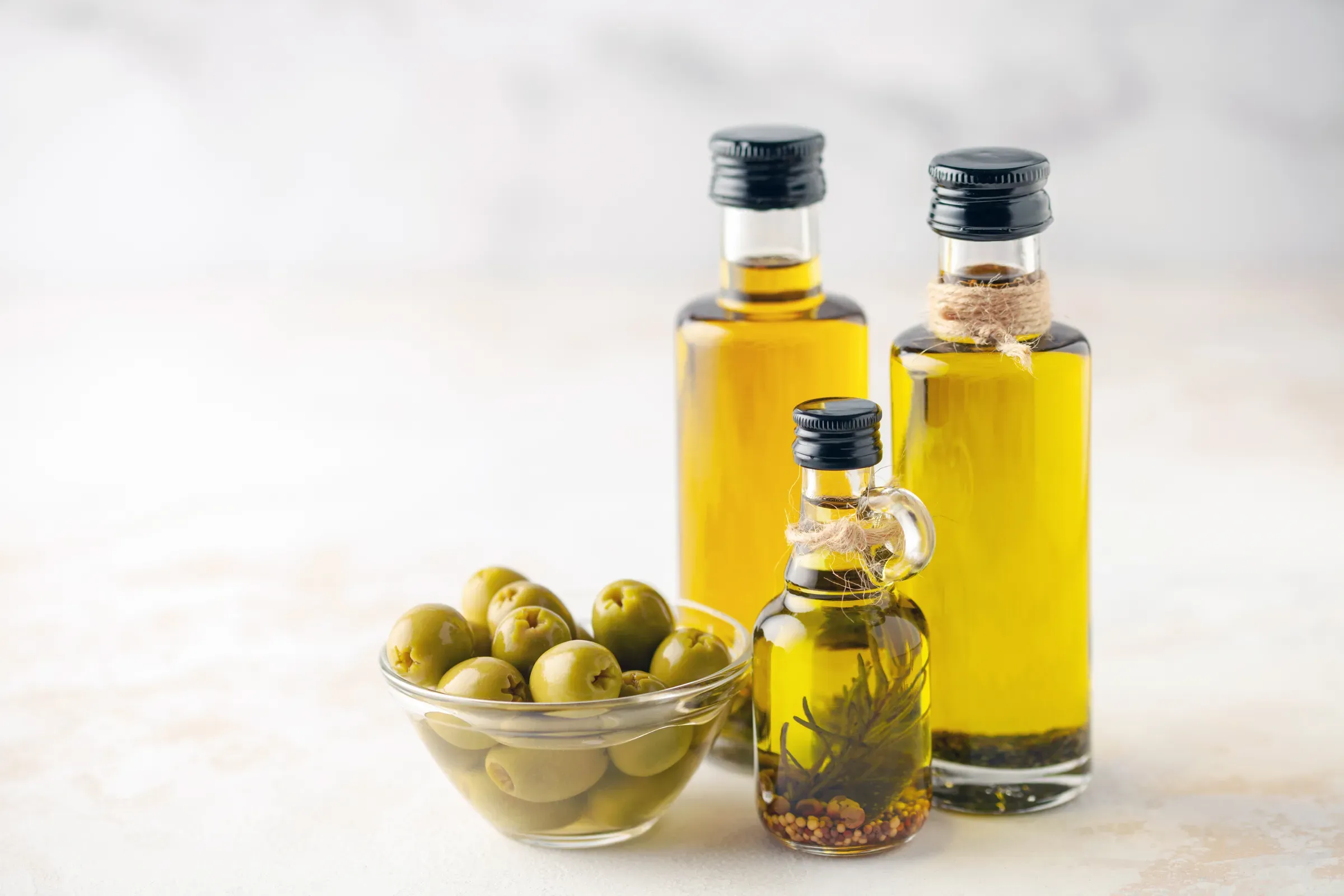
Olives oil in bottles on a bright background, olive oil & pantry ecommerce
Olive oil & pantryHome cooks who have learned to look for harvest date, olive variety and acidity, gift buyers looking for something with a story, and restaurant or cafe buyers who order in larger formats.

How olive oil & pantry makes money

Four levers, and what limits each one here

Revenue is traffic times conversion rate times order value times purchase frequency. In this niche each lever has its own ceiling.

Traffic

Traffic: grade, variety and the authenticity question

There are three distinct demand pools here and most producers only build for one. The first is grade and quality language: extra virgin, cold pressed, acidity, polyphenol content. The second is variety and origin: the olive cultivar, the region, protected designations and single estate production. The third, and the largest, is the authenticity question, because a great many people are searching for how to tell whether an oil is what it claims to be. That last pool is a gift to a producer who can answer it honestly and show their own paperwork, and it brings in exactly the buyer who will pay for the good bottle.

Conversion

Conversion: the harvest date is the proof

Olive oil degrades from the moment it is pressed, so the harvest date is the single most useful fact on the page and the one most often missing. Publishing it, explaining what it means for flavour and shelf life, and stating how the oil is stored and shipped answers the objection that keeps this shopper on comparison sites. Alongside it, the flavour description has to be practical rather than lyrical: how peppery it is, whether it is for finishing or for cooking, and what it goes with. Tins and dark glass should be explained rather than assumed, since the packaging is part of the argument.

Order value

Order value: a bottle is heavy, so the basket has to be a shelf

A single bottle of oil costs a lot to ship and often leaves nothing behind once the box, the protective packaging and the carrier are paid. The answer is to sell the pantry rather than the product. Vinegar, salt, honey, preserves, pasta and spices ride in the same box at almost no additional shipping cost, which makes them the most profitable thing on the site. Curated sets around a cuisine or a way of cooking outperform generic bundles, and larger formats such as three litre tins should be presented with the price per litre so the value is obvious to a household that cooks daily.

Frequency

Frequency: the bottle empties faster than people expect

A household that cooks most nights gets through a 500 ml bottle in a matter of weeks, but almost nobody notices until it is empty, and by then the supermarket is closer than you are. The repeat business here belongs to whoever reminds first. A replenishment cycle set from bottle size and stated cooking habits, a subscription for the households that use oil daily, and a new harvest announcement that gives a reason to reorder at a specific moment together turn an occasional buyer into a standing customer. Pantry cross-sell keeps the reorder interesting so it does not become a repeat of the same line item.

Search visibility

Olive oil search: grade explanations, variety pages and the freshness answer

The most valuable pages in this niche are educational, which is unusual for a grocery product. People want to know what extra virgin actually requires, what acidity and polyphenol figures mean, how to tell whether an oil has gone stale, and whether the grade on a label can be relied on. A producer can answer those questions with their own analysis and their own mill, which is a level of authority a content site cannot reach. Those pages earn links, rank widely and route readers into the catalog.

The catalog layer is variety and use. Pages for the cultivars you press, for the region or estate, and for use cases such as finishing, roasting and baking give the range a structure people search for. Protected designation and certification pages are worth building where you hold them, described exactly as the certifying body describes them.

Technically, harvest year is the trap. A new harvest should not create a new product URL every year, or the page starts again annually with no rankings and no reviews. Keep one page per oil with the harvest year as a variant or a dated section, publish the current harvest date in the product data, and keep the sold-out prior harvest visible with a note about when the next pressing arrives.

Queries that matter

  • extra virgin olive oil harvest date
  • how to tell if olive oil is real
  • single estate koroneiki olive oil
  • high polyphenol olive oil canada
  • best olive oil for finishing dishes
  • olive oil in a tin online
  • olive oil gift set for the holidays

Grade and authenticity explainers written by a producer, cultivar and estate pages, and use-case guides rank here. Product pages that list a size and a price with a paragraph of scenery do not.

AI answers

AI answers: freshness, grade and what to cook with

The questions assistants field about olive oil are almost all comparative or evidential. Whether an oil is fresh, what the harvest date means, whether extra virgin can be used for frying, how to store an opened bottle, and what a cultivar tastes like. A store becomes the cited source when the harvest date, acidity, cultivar and origin are on the page as text rather than printed on a label photograph, when the grade is explained in the terms the standards use, and when any analysis is described accurately. We write those facts into the product template so they appear on every bottle, and keep the explanation of grades on one authoritative page the products link to.

How can I tell if an olive oil is still fresh?
Can you cook at high heat with extra virgin olive oil?
What does a harvest date on a bottle mean?
How should an opened bottle of olive oil be stored?
What does a Koroneiki olive oil taste like?

Questions shoppers put to assistants. A store gets named when its pages answer them in plain text.

Google Shopping and Merchant Center

Merchant Center for pantry goods: unit pricing, formats and claim discipline

Unit pricing decides a lot in this category. A shopper comparing a 500 ml bottle with a three litre tin needs the price per litre to appear in the listing, and without it the large format looks expensive and the small one looks cheap, which is precisely backwards for a producer trying to raise the basket. Formats of one oil belong in a single item group, each with its own identifier from the label, and bundles need their own identifier rather than borrowing a bottle's.

Product data should carry the things this shopper filters on: cultivar, origin, harvest year, acidity where you publish it, and whether the oil is for finishing or cooking. Titles read best as brand, oil, cultivar or style, and size. Expiration handling matters because oil has a real shelf life, and listings for stock close to its date should be retired rather than sold to someone who will judge the brand on a tired bottle.

Claims are the policy risk. Health statements about cholesterol, heart health or inflammation are regulated in both Canada and the United States and will pull a listing into health review. Describe the oil, the harvest, the process and the flavour, and leave the health argument alone.

Feed attributes that decide eligibility

  • gtin per bottle and per tin size
  • item_group_id for the formats of one oil
  • unit_pricing_measure so price per litre is comparable
  • product_detail for cultivar, origin, harvest year and acidity
  • is_bundle for pantry and gift sets
  • expiration_date to retire stock close to its date

Disapprovals we see in this niche

  • Health claims about cholesterol, heart health or inflammation in titles or descriptions
  • Missing unit pricing so large formats appear worse value than they are
  • Bundle listings that reuse a single bottle identifier
  • Price mismatch when a new harvest promotion runs on the page only

Meta and social ads

Meta for pantry brands: the mill, the pour and the peppery finish

Olive oil films well, which is an advantage worth using. The harvest, the mill running, the first oil coming off, the colour in a glass, and a tasting where someone describes the pepper at the back of the throat all make honest creative that no reseller can copy. The pantry set opened on a kitchen table works for gifting, and a single dish finished with the oil sells the use case faster than any description.

The policy line is narrow and easy to cross. Olive oil attracts health claims naturally and they are regulated, so creative should stay on flavour, harvest, process and cooking. Audiences begin with your buyers and site visitors, then broad prospecting built on strong food footage, because interest targeting for cooking is crowded and rarely beats good creative. Creator content works well when the creator actually cooks with the product on camera, and the rights and the script should be agreed before filming rather than after.

  • The mill running during harvest with the pressing date on screen
  • Fresh oil poured into a glass so the colour and viscosity show
  • A tasting where the pepper and bitterness are described honestly
  • A pantry set opened on a kitchen table, contents named
  • One dish finished with the oil, filmed in a single take

Policy line

Health claims about olive oil are regulated in Canada and the United States, so creative and captions should describe flavour, harvest, process and cooking use rather than any health outcome.

Conversion and the store

Pantry product pages: harvest date first, then how to use it

The page has to answer freshness before anything else, so the harvest date belongs near the title rather than at the bottom of a specification table. Beside it, the cultivar, the origin and the acidity or polyphenol figure where you publish them, and a plain explanation of what those numbers mean for someone who has not memorised the standards. Then the practical part: how peppery it is, what it is best used for, how long it keeps once opened and how to store it.

The template that raises revenue is the bundle. Since the box is already going, the page should suggest the pantry items that belong with this oil and show what the combined shipping looks like. Larger formats need the price per litre next to the bottle price so the value reads correctly. On mobile, keep the harvest date and the format selector above the fold, show the protective packaging in the imagery because breakage is a real worry, and put the delivery estimate next to the add-to-cart control.

Objections the page must answer

  • “How fresh is this and when was it pressed”
  • “Is it genuinely what the grade on the label says”
  • “What should I actually use it for in my kitchen”
  • “Will the glass survive being shipped to me”
  • “Why does it cost several times the supermarket price”

Email, SMS and retention

Email and SMS: the harvest announcement and the bottle clock

Two moments carry this programme. The new harvest is the only genuinely urgent event a pantry brand owns, and it deserves a full sequence: a heads-up before the pressing, an announcement when the oil lands, and a last-call before the previous harvest is gone. Customers who bought last year should hear first, because they already know why it matters.

The second is the bottle clock. A household that cooks daily empties a 500 ml bottle far sooner than they expect, and the reminder needs to arrive before the cupboard is bare rather than after. Set the timing from the size bought and from a single question about how often they cook. Pantry cross-sell keeps those reminders from feeling repetitive, and a cooking series that uses your own products gives the list something to open between reorders. December gifting needs its own sequence with the shipping cutoff stated plainly, and SMS is worth reserving for the harvest drop and delivery notices.

  1. New harvest sequence

    Before the pressing, on arrival, and at last call

  2. Bottle clock replenishment

    Four to eight weeks, set by size and cooking frequency

  3. Cooking series using your own pantry

    Every two weeks between reorders

  4. Gift season with shipping cutoffs

    Mid-November to the final dispatch date

  5. Win-back before the next harvest

    One pressing cycle after the last order

Where revenue leaks

The leaks we find in olive oil & pantry stores

The Growth Analysis ranks these against your own numbers and says which to close first.

Get a Growth Analysis for your olive oil brand
  • The harvest date hidden in a specification table

    The fact that would justify the price sits below the fold in small text, so the shopper compares on price alone and buys the bottle in the supermarket instead.

  • Single bottles shipped at a loss

    Protective packaging, weight and breakage claims cost more than the shipping charged, so the orders that look like new customers quietly consume the margin from the bundles.

  • Last year's oil still being advertised

    The new pressing arrives but the feed, the ads and the landing page still promote the previous harvest, which wastes the one moment of urgency the category has.

  • A health claim written into a product description

    A sentence about heart health or inflammation moves the listing into health review, and the account is stuck in an appeal during the gifting season.

  • Gift sets packed like a warehouse order

    The set is bought as a present and arrives in plain corrugate with a packing slip, so the recipient sees a delivery rather than a gift and nobody reorders.

Platform notes

Where the platform changes the work

Shopify

Harvest year works best as a variant or a metafield on a single durable product rather than as a new product each season, and bundle apps should create a real product with its own identifier so the feed does not reuse a bottle barcode. Metafields for cultivar, acidity and origin can populate the page, the filters and the feed at once.

WooCommerce

Global attributes for cultivar, origin and format drive filtering and the archive pages worth indexing, and the feed plugin needs unit pricing mapped so large tins are compared correctly rather than looking overpriced.

BigCommerce

Custom fields carry harvest date and analysis figures so they render on every product, and price lists can hold restaurant and cafe pricing without building a second storefront for trade customers.

Questions

Olive oil & pantry owners ask us

By CartKernel · Last reviewed

Should we publish the harvest date on every bottle page?

Yes, and near the top. It is the single fact that separates a producer from a reseller, and this audience has learned to look for it. Publish the date, explain in a sentence what it means for flavour and shelf life, and update it when the new pressing lands. Sites that leave it out are asking the shopper to trust a label they have already read warnings about.

How do we make money on a product this heavy to ship?

By selling a basket rather than a bottle. Vinegar, salt, honey, pasta and preserves add almost nothing to the shipping cost of a box that is already going, so they carry most of the incremental margin. Set free shipping thresholds from real box weights, present larger formats with a price per litre, and treat curated sets as products with their own pages rather than as an upsell widget.

Can we talk about the health benefits of olive oil in our marketing?

Be very careful. Health claims for foods are regulated in both Canada and the United States, and the ad platforms apply their own rules on top, so a sentence about cholesterol or inflammation can put a listing or an account into review. Describing the cultivar, the harvest, the pressing and the flavour is safer and, for this shopper, more persuasive anyway.

How do we handle a new harvest without losing our rankings?

Keep one product page per oil and treat the harvest year as a variant or a dated section on it. Update the harvest date, refresh the tasting notes, and note when the previous pressing sold out. Creating a new URL each year throws away the rankings, the links and the reviews the page has accumulated, which is a slow and avoidable loss.

Is a subscription realistic for olive oil?

For households that cook most nights, yes, and the cadence should be set from the bottle size and how often they cook rather than from a default month. For everyone else, a well-timed replenishment email does the same job without the commitment. Offer the subscription inside the reorder reminder rather than on the first-purchase page, where it adds a decision a new customer does not want.

How should we approach restaurant and cafe customers?

Through their own path, with case and larger format pricing, purchase order references and a reorder screen that repeats the last order. Trade demand behaves nothing like retail and mixing the two distorts your reporting, since a chef's standing order will otherwise be attributed to whichever ad they clicked eighteen months ago.

Grow your olive oil & pantry store.

A free Growth Analysis ranks what your store should fix first, by revenue at stake, in about a week.