Skip to content

Food & beverage · ecommerce growth

Wine ecommerce marketing agency

Where a bottle can legally land decides how a wine business grows online. Permits, adult signature at the door and carrier rules draw the map before a single ad runs, and inside that map the buyer is choosing by grape, region, producer and what is on the table tonight. We build wine stores that sell inside their licence: varietal and appellation pages that hold their rankings across vintages, a destination check that happens before the customer falls for a bottle, and a club that keeps the second and third shipments arriving.

The buyer, in brief

Consideration
Minutes for a familiar grape, days or weeks for a case or a club commitment
Purchase frequency
Every four to eight weeks for everyday bottles, quarterly or seasonal for club shipments
Seasonality
Gifting in December, lighter styles through summer, and shipping pauses during heat waves and hard freezes
Price band
Wide, from an everyday bottle to allocated releases, with the real decision made at case level
Return risk
Rare, and usually about a corked bottle or breakage in transit, settled with a credit rather than a return
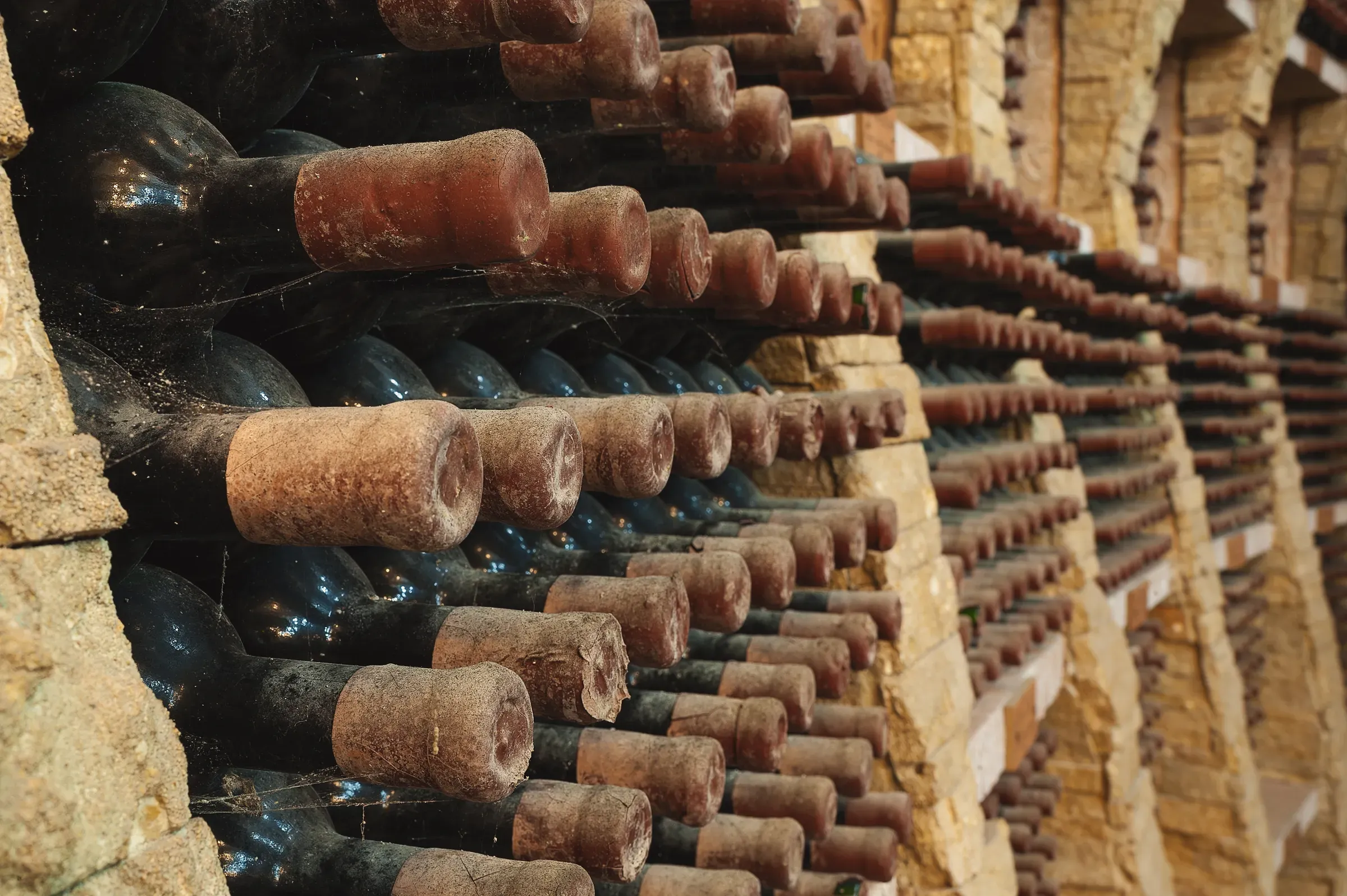
Wine bottles from vineyard cellar, wine dtc ecommerce
Wine DTCWine drinkers who buy by grape, region and producer, read the vintage and the alcohol level before the tasting note, and look for the shipping map and the club terms before they trust a site they have not used.

How wine dtc makes money

Four levers, and what limits each one here

Revenue is traffic times conversion rate times order value times purchase frequency. In this niche each lever has its own ceiling.

Traffic

Traffic: grape, region and the shipping map

Wine demand splits three ways and only one of them is your name. People search by grape and style, by region and appellation, and by whether a bottle can reach their address. That third one is the constraint nobody builds for, and it quietly wastes budget in every channel, because a visitor in a state or province outside your licence can read every word you wrote and never check out. The traffic work here is a catalog with real pages for grapes, styles, regions and food pairings, informational pages that answer the shipping law question honestly, and paid targeting drawn from the licence rather than from ambition.

Conversion

Conversion: the destination check comes before the label

The largest drop in a wine checkout happens when someone picks a bottle and then learns you cannot deliver to them. Moving the destination check forward, into the header or onto the collection page instead of the shipping step, loses a little traffic and saves the abandoned carts that follow it. After that the page has to answer what a wine drinker actually asks: what it is like to drink in ordinary words, what it goes with, whether an adult has to be home to sign, and what happens if glass arrives broken. Age confirmation should confirm rather than interrogate, and it should never be the reason a product page is missing from search.

Order value

Order value: the case is the unit that pays for the box

Shipping one bottle rarely makes money once packaging, insurance and signature service are counted, so the commercial job of a wine site is to move the basket to six or twelve. A mixed case does that better than a discount, because it lets someone explore without committing to twelve of the same wine. Thresholds should follow your real packaging tiers, and the builder should show how close the basket is to the next tier at every step. Library and allocated bottles lift the average further when they go to people who already buy, rather than into open traffic that arrives once and leaves.

Frequency

Frequency: the club decides the year

A winery with a healthy club has a predictable year and one without a club lives on December. Clubs retain when the member picked the tier, can skip a shipment, swap a bottle and see the next billing date without emailing anyone, and when the wine is explained before it lands on the porch. The second repeat driver is the restock nudge on everyday bottles, the ones a member drinks rather than saves. We report sign-ups, shipment retention by cohort and member share of revenue as separate lines, because a club losing members quietly each quarter can look like growth while it shrinks.

Search visibility

Wine search: varietal and appellation pages, and the vintage problem

Wine rewards specificity in search. The queries that convert name a grape, a region, a style or a meal, and each of those deserves a page with genuine writing rather than a filter parameter that Google treats as noise. A varietal page should explain how that grape behaves where you grow it and which of your wines are made from it. An appellation page should say what the appellation actually means and why the wines taste as they do. Pages like these hold their position across vintages, which matters more in wine than in almost any other category.

Vintages are the technical problem. Every year the wine changes, the label changes and on most stores the URL changes too, which discards whatever the previous vintage earned in rankings and links. The durable structure keeps one page per wine, with the vintage as a variant or a dated section, and leaves sold-out vintages live with their notes, the expected release date of the next one and a link to what is pouring now.

The age gate is the other trap. A full interstitial that serves nothing until a visitor clicks can leave crawlers looking at an empty shell, and producers are often surprised to find product pages absent from the index. Confirmation should leave the page content in the HTML, structured data should carry the product and offer detail, and shipping eligibility should be readable on the page rather than discovered at checkout.
Queries that matter

  • pinot noir delivered to ontario
  • natural wine online canada
  • okanagan wine club subscription
  • can you ship wine to my state
  • best wine to pair with lamb
  • organic sparkling wine online
  • mixed case of red wine delivered

Varietal, appellation and pairing pages with real writing behind them rank, and so do plain answers about shipping law and delivery timing. Vintage-specific product pages that are replaced every year start from nothing every year.

AI answers

AI answers: what assistants are asked about ordering wine

Assistants field questions about whether a wine can legally reach an address, what a bottle tastes like next to a familiar one, and which producers will send a mixed case. Those answers come from text on a page, not from a shelf talker image or a downloadable tasting sheet. The stores that get named state their shipping map in plain language, keep tasting notes, alcohol level and closure type as readable text, and describe the club terms including how to skip and how to leave. We write those pages answer-first, keep the shipping and age policy consistent between the site and the feed, and check that age confirmation is not the reason a crawler sees nothing.

Can this winery ship to my address?
What does this wine taste like compared with a Burgundy?
Which wine clubs let you skip a shipment?
Does an adult have to sign for a wine delivery?
What red wine goes with slow-cooked lamb?

Questions shoppers put to assistants. A store gets named when its pages answer them in plain text.

Google Shopping and Merchant Center

Merchant Center for wine: eligibility first, then the feed

Alcohol is a restricted category, so eligibility comes before optimisation. Whether Shopping ads and free listings can run at all depends on the countries you sell into and on meeting the platform's alcohol requirements, and the answer can differ from one market to the next. We confirm what is available for your markets before building anything, then set targeting so a listing never appears where a bottle cannot be sent.

Inside the feed, wine behaves like a product with a long name and a short life. Titles carry the producer, the wine, the grape, the vintage and the bottle size in the order a query uses them. One wine's formats belong together under a single item group. Product_detail holds grape, region, vintage, alcohol level and closure. Availability has to follow allocations closely, because a wine that sells out on a Friday will spend the weekend collecting clicks nobody can fill. Excluded regions belong in the shipping settings rather than in a note at checkout.

Where free listings are available they are worth switching on and reporting on their own line, and the landing page has to be reachable by a reviewer and a crawler with the age confirmation in place.

Feed attributes that decide eligibility

  • gtin where the bottle carries one
  • item_group_id for bottle formats of one wine
  • product_detail for grape, region, vintage and alcohol
  • availability tied to allocation stock
  • shipping with excluded states and provinces
  • adult where the platform requires it

Disapprovals we see in this niche

  • Listings served into regions where alcohol advertising is not permitted
  • Availability mismatch after an allocation sells out mid-week
  • Price mismatch when a case discount appears on the page only
  • Landing page unreachable because an age interstitial blocks review

Meta and social ads

Meta for wineries: the block, the winemaker and the packed case

Meta creative for wine works under age-restricted delivery and a policy that changes by country. Inside those limits the angles that perform are the ones only a producer can film: the block the fruit came from, the winemaker explaining a decision, a case being packed for the carrier, and a bottle opened at a table with food. Imagery built around people drinking is where policy trouble starts, so we keep the camera on the place, the work and the wine.

Audiences begin with your own list and site visitors, because a past customer has already proved you can deliver to them. Prospecting works best when targeting is limited to the regions you serve and the creative names the region, since local pride is a genuine buying reason here. Catalog ads earn their place for mixed case and club retargeting once the feed is eligible, and any creator content needs written rights and a check that nothing in it breaks the alcohol rules.

  • The vineyard block walked in one take, with the site named on screen
  • The winemaker on one decision, such as when to pick or how long in oak
  • A mixed case packed for the carrier, showing how the glass travels
  • One bottle and one dish at a kitchen table, unscripted
  • A member showing how the skip and swap controls work in their account

Policy line

Alcohol advertising is age-restricted and country-restricted on every platform, cannot be targeted to minors, cannot run where the platform prohibits it, and cannot show consumption in the ways the policy names.

Conversion and the store

Wine pages: destination, plain tasting language and the case builder

A winery product page is answering something a review site never has to. It has to say who made the wine and where, what it is like to drink in ordinary words, what it goes with, how much alcohol is in it, and whether it can reach the buyer at all. That last answer belongs high on the page, because a shopper who discovers the restriction at the shipping step does not come back. Tasting notes written for a judging panel rarely help anyone decide; one honest sentence about the wine usually does.

The template that carries revenue is the mixed case builder. It should show the slots filling, the price and the shipping tier updating as it goes, allow styles to be mixed and remember the selection between sessions. On mobile, the age confirmation, the destination selector and a sticky add-to-case control matter far more than the hero image, and the delivery window with the signature requirement should sit near the button rather than in a policy page nobody opens.

Objections the page must answer

  • “Can you actually deliver to my address”
  • “What does it taste like without the competition language”
  • “Does someone have to be home to sign for it”
  • “What happens if a bottle arrives broken”
  • “Is the club going to be difficult to pause or leave”

Email, SMS and retention

Email and SMS for wine: the club clock and the everyday bottle clock

Wine retention runs on two clocks at different speeds. The club clock is quarterly or seasonal, and every shipment needs a pre-billing notice with enough time to swap or skip, an in-transit note carrying the delivery date and the signature requirement, and tasting notes that arrive before the box does. The everyday bottle clock is much faster, since someone who bought a case of the house red is usually ready again inside two months.

Release and allocation emails should reach members before the wider list, which is what makes membership feel like membership. Gifting sequences start earlier than most wineries expect, because the last shipping date in December is a carrier decision and not a marketing one. SMS earns its place for delivery-day alerts, since wine needs an adult at the door, and for allocations that sell out in hours. Win-back should name the wine the customer actually bought and say what its next vintage is doing.

  1. Pre-billing notice for club shipments

    Ten to fourteen days before the card is charged

  2. Delivery day alert with signature reminder

    Morning of the carrier delivery date

  3. Everyday bottle restock

    Four to eight weeks after a case of house wine

  4. Allocation and new release

    Members first, the wider list a few days later

  5. Holiday shipping cutoff sequence

    From early November to the final ship date

  6. Win-back by grape

    Two buying cycles after the last order

Where revenue leaks

The leaks we find in wine dtc stores

The Growth Analysis ranks these against your own numbers and says which to close first.

Get a Growth Analysis for your winery
  • Budget spent on people you cannot ship to

    Targeting is set by interest rather than by licence, so clicks arrive from outside the delivery map. The abandoned checkouts that follow look like a conversion problem when they are a targeting problem.

  • An age gate that hides the store from search

    A blocking interstitial can keep product pages out of the index entirely, so a compliance step quietly turns into a traffic problem that nobody connects to the pop-up.

  • Vintage rollovers that reset the page

    Each new vintage gets a fresh URL and the old one disappears, so every year the wine starts again with no rankings, no links and no reviews.

  • Club members who hear nothing between shipments

    The only contact is a billing notice, so a request to pause becomes a cancellation and the churn shows up a quarter later as a soft month.

  • Single bottle orders priced like apparel

    Packaging, insurance and signature service cost more than the shipping charged, so every solo bottle leaves with a slice of the margin.

Platform notes

Where the platform changes the work

Shopify

Age confirmation, region-level shipping restrictions and club billing are app and Function work rather than theme edits. Club subscriptions should be built so a member can skip, swap and change frequency in their account, and mixed case builders need to avoid creating an indexable URL for every combination.

WooCommerce

Shipping zones handle the delivery map and should be validated at checkout as well as at the cart, and the feed plugin needs to export excluded regions rather than relying on a sentence in the description.

BigCommerce

Product options for format and case configuration need canonical rules so the mixed case builder does not multiply URLs, and customer groups can carry club pricing without a second storefront.

Questions

Wine DTC owners ask us

By CartKernel · Last reviewed

Can a winery advertise on Google and Meta?

In most of the markets we work in, yes, with restrictions. Alcohol sits in a restricted category on both platforms, which brings age-restricted targeting, eligibility that differs by country and rules about what creative can show. The first step is confirming what your markets allow, then building location targeting from the licence so you are not paying for clicks that cannot legally convert.

How do we stop losing rankings every time the vintage changes?

Keep one page per wine and treat the vintage as a variant or a dated section on that page. When a vintage sells out, leave the page live with its notes, say when the next release is expected and link to what is available now. Wines that receive a new URL each year begin from zero each year, which is why producer sites often sit below retailers for their own wines.

Does an age gate hurt search performance?

It can, when it is a full interstitial that serves nothing until someone clicks through. Crawlers can end up with an empty page and the product never enters the index. A confirmation that leaves the page content in the HTML, sets a cookie and avoids a redirect meets the compliance need without removing the catalog from search.

What makes a wine club actually retain members?

Choice and visibility. Members should pick their own tier, skip or swap without contacting anyone, and know what is coming before the card is charged. Most cancellations start as a pause request that was made difficult. We report retention by joining cohort so a slow leak is visible while there is still time to fix the cause.

Is Google Shopping worth it for a winery?

Where your country and account are eligible, yes, particularly for free listings and for wines with real demand by name. The work sits in the feed: formats grouped, grape and region in the attributes, availability that tracks allocations, and excluded regions set in shipping. If your markets are not eligible, that budget does more in search and retention.

How do we get people to buy more than one bottle?

Make the mixed case a product rather than an afterthought. Show the running total and the next shipping tier as the case fills, allow styles to be mixed and keep the saving honest. Since a single bottle rarely covers its own packaging and signature service, the case builder is where the margin on this business is decided.

Grow your wine dtc store.

A free Growth Analysis ranks what your store should fix first, by revenue at stake, in about a week.