Skip to content

Footwear · ecommerce growth

Insole brand marketing agency

An insole is bought because a shoe let someone down. Heel pain after a shift, flat arches in a new pair of trainers, a boot with no support, a clinician's suggestion to try an over-the-counter orthotic before anything else. The query is the problem, the product is a solution that sits inside another product, and the ad policies treat any promise of relief as a medical claim. We build insole brands around that tension: problem pages that rank without diagnosing, feeds and ads that describe the insole rather than the outcome, trim-to-fit sizing that stops the wrong-size return and a cross-sell with the footwear the insole was bought for.

The buyer, in brief

Consideration
Hours to a few days for an over-the-counter insole, weeks for a custom orthotic made from an impression kit
Purchase frequency
A replacement every several months to a year for daily wear, plus one for each pair of shoes the buyer relies on
Seasonality
Steady, with a January lift from new trainers and resolutions, an autumn lift for work boots and a spring lift for running
Price band
Low to mid for trim-to-fit insoles, premium for custom orthotics, and often paid with a health spending account where the product is eligible
Return risk
Moderate and avoidable: a trimmed insole cannot be resold, so the size range, the arch height and the shoe compatibility on the page decide the return rate
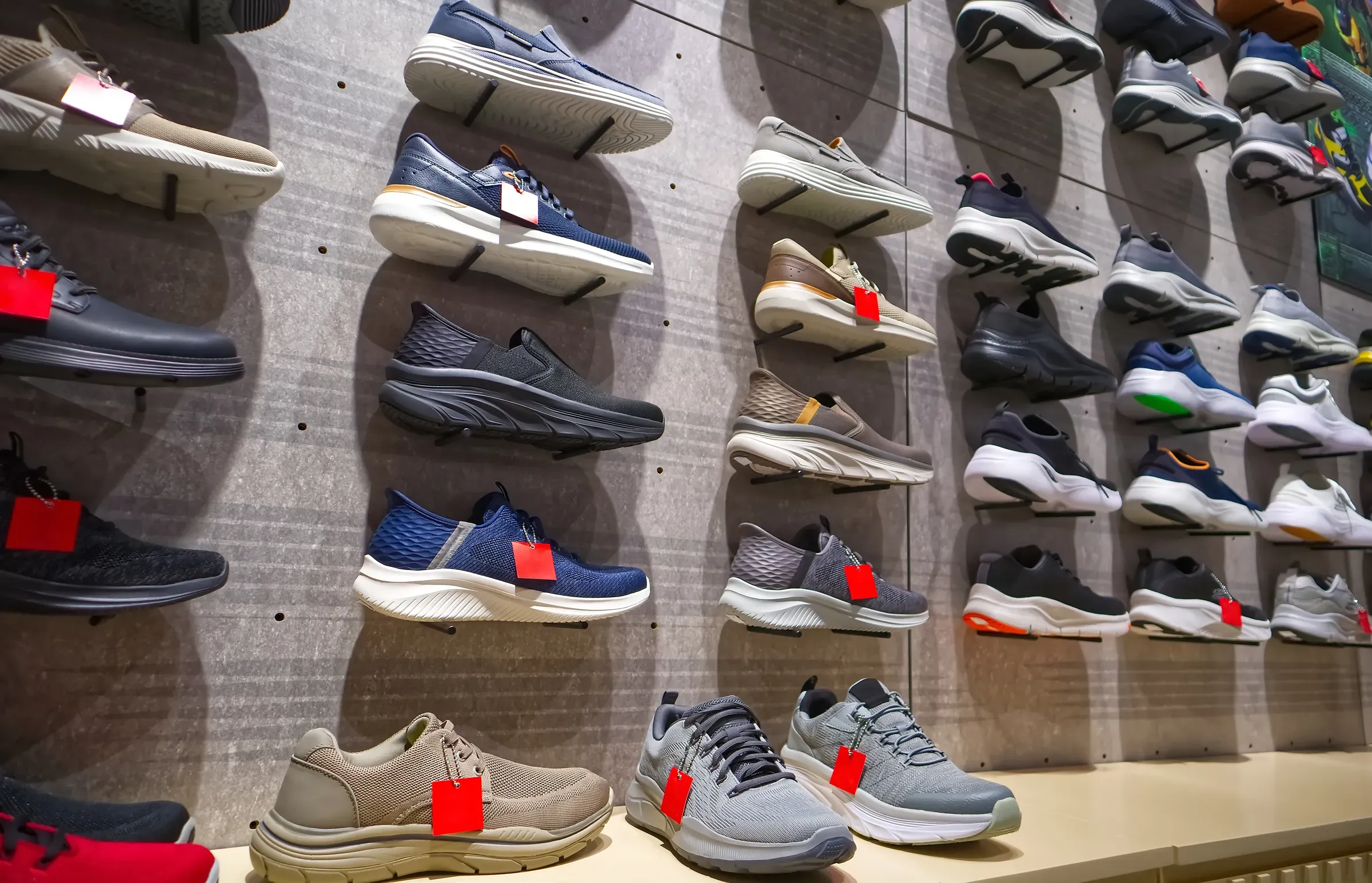
Sneakers on the shelves in the shoe corner in Department Store, Bangkok, Thailand, insoles & orthotics ecommerce
Insoles & orthoticsAdults on their feet all day, runners and walkers with a specific arch need, and people following a clinician's suggestion to try an over-the-counter orthotic, who need to know the arch height, whether it fits the shoe they own and whether they can trim it without ruining it.

How insoles & orthotics makes money

Four levers, and what limits each one here

Revenue is traffic times conversion rate times order value times purchase frequency. In this niche each lever has its own ceiling.

Traffic

Traffic: the problem is the query and the shoe is the context

Insole demand is searched by problem (insoles for standing all day on concrete, insoles for heel pain, insoles for flat feet), by feature (high arch insoles, three-quarter insoles, heat-mouldable insoles) and by the shoe the insole is going into (insoles for work boots, insoles for running shoes, insoles for dress shoes). The problem queries carry the volume and the policy risk; the feature and shoe queries carry the purchase. The traffic lever is a set of problem guides that describe what features are commonly recommended for each situation without diagnosing or promising relief, feature collections with the arch height and the length stated in the copy, and shoe-compatibility pages that answer whether the insole fits the boot or trainer the buyer already owns.

Conversion

Conversion: arch height, trim-to-fit size and the shoe it is going into

An insole converts when the buyer can answer three questions on the page: which arch height am I, which size range do I trim from and will it fit in this shoe. The page has to explain the arch profiles with a simple test, show the trim lines and the size ranges against shoe sizes, state whether the insole replaces the shoe's own or sits on top of it and give the length (full or three-quarter) with the shoes each suits. A trimmed insole cannot come back, so the page has to get the size right before the scissors come out. We build the arch test, the size range selector and a shoe compatibility block into one product page and put a how-to-trim sequence beside the add-to-cart, because the wrong trim is the return that costs the most.

Order value

Order value: one for each pair of shoes

Order value in insoles grows through the shoe rack. A buyer who needs support in their work boots usually needs it in their trainers too, and a two-pack for two pairs of shoes or a set matched to different shoe types lifts the basket without a discount on the main insole. Replacement top covers, an odour treatment and socks designed to work with an insole are natural additions. Where the brand sells footwear as well, the insole page is the best cross-sell page in the store, because the buyer is already thinking about the shoe that failed them. The pages that carry this are the shoe-compatibility collections and the post-purchase message that asks which other shoes the customer wears most.

Frequency

Frequency: replacement on wear and the second shoe

Insoles wear out with the shoe and are rarely replaced on time, because the buyer does not notice the support fading. Frequency is built from a replacement reminder timed to daily wear, a second-shoe prompt a month after the first order, a top-cover refresh between replacements, a custom orthotic re-check when a clinician would normally suggest one and, where the brand sells shoes, a footwear message when the customer's shoe type is updated. Custom orthotic customers are the most valuable, because their impression is on file and a repeat pair or a second pair for a different shoe type is a click rather than a new kit. A subscription for replacement insoles suits daily-wear buyers when the interval matches actual wear.

Search visibility

Search: problem guides written carefully, feature collections and shoe-compatibility pages

Insole search ranks on three page types. Problem guides come first: a page for each situation (standing all day on hard floors, heel discomfort after activity, flat arches, high arches, a shoe with no support) that describes what features are commonly recommended, why arch height and length matter, when to see a clinician and which of the store's collections carry those features. The language describes and never promises relief, which is what keeps the page both rankable and safe for every channel that links to it.

Feature collections carry the buying queries: high arch insoles, low arch insoles, three-quarter insoles for dress shoes, heat-mouldable insoles, cushioned insoles for work boots. Each needs copy that states the arch profile, the length, the material and the shoes it suits, a grid filtered by the attribute and links from the products. Shoe-compatibility pages (insoles for work boots, insoles for running shoes, insoles for shoes without a removable insole) answer the question that decides the order and earn links from footwear forums.

The sizing guide with trim lines and ranges, a how-to-trim page and the custom orthotic process page (impression kit steps, lead time, what the kit contains) complete the set. Technically, size ranges are variants of one product with one URL, and custom orthotics are one product with the process explained rather than a configurator.

Queries that matter

  • insoles for standing all day on concrete
  • high arch insoles for running shoes
  • three quarter insoles for dress shoes
  • trim to fit insoles size chart
  • custom orthotics online impression kit
  • insoles for work boots
  • how often to replace insoles

Problem guides that describe rather than promise, feature collections with the arch height and length stated and shoe-compatibility pages rank in this niche. Pages that promise relief for a named condition draw policy trouble and rarely hold a ranking.

AI answers

AI answers: which arch, how to trim, whether custom is possible online

Shoppers ask assistants which insoles suit high arches, how to trim an insole to fit, whether custom orthotics can be made from an at-home impression kit, how often insoles should be replaced and whether a given insole fits in a shoe without a removable insole. The brands that get cited state arch profiles and lengths in plain sentences, publish the trim guide as numbered steps in text, explain the custom process and its lead time honestly and keep the size and compatibility data consistent between the page, the markup and the feed. We write the guides answer-first and make sure every product states the shoes it fits in a sentence an assistant can lift.

Which insoles are for high arches?
How do I trim insoles to fit my shoes without cutting too much?
Can I get custom orthotics online from an impression kit?
How often should insoles be replaced?
Will these insoles fit in a shoe without a removable insole?

Questions shoppers put to assistants. A store gets named when its pages answer them in plain text.

Google Shopping and Merchant Center

Google Shopping and Merchant Center for trim-to-fit ranges and custom orthotics

Insole feeds are decided by size and by claims. A trim-to-fit insole covers a range of shoe sizes, and the size value has to carry that range with size_system set, because a single size number makes the listing look like it fits one shoe size and produces both limited listings and returns. Gender and age_group are filled as for any footwear-adjacent product, product_detail carries arch height, length, material and the shoe types the insole suits, product_highlight carries the three facts a buyer names, and google_product_category sits at the shoe inserts node rather than at shoes. Custom orthotics made from an impression kit are not in stock: they carry min and max handling time or a preorder state with an availability_date, and own-brand items without a barcode set identifier_exists to false.

Policy is the constraint. Google's healthcare-related rules catch relieves, treats, heals and the name of a condition in titles and descriptions, and the personalized advertising policy stops remarketing lists being built from problem guide pages. We write feed text about arch height, length and shoe fit, keep condition language on the site guides and never in the feed, and keep any clinical acceptance mark exactly as the issuing body words it.

Campaigns are structured by feature and margin: custom orthotics and premium insoles in a campaign bid to margin, everyday trim-to-fit insoles in a volume campaign, top covers and accessories in a low-cost campaign, and free listings on for every feature collection.

Feed attributes that decide eligibility

  • size as the trim-to-fit range with size_system
  • product_detail for arch height, length, material and shoe type
  • product_highlight
  • google_product_category at the shoe inserts node
  • min_handling_time and max_handling_time for custom orthotics
  • identifier_exists

Disapprovals we see in this niche

  • Healthcare policy flags for relieves, cures or a condition named in a title or description
  • Size submitted as a single shoe size for a trim-to-fit range
  • Custom orthotics listed as in stock with no handling time
  • Remarketing lists built from problem guide pages under the personalized advertising policy

Meta and social ads

Meta and social ads: the trim line, the arch profile and the shoe it goes into

Insole creative has to show the product doing its job without describing the viewer. Cutting along the trim line in one clean pass, the arch profile from the side against a flat insole, the insole going into a specific work boot or trainer, an impression kit being pressed and posted, and a day on concrete filmed from the feet carry the argument. Customers describing a long shift, in their own words and with rights secured, are believed because the audience is sceptical of adjectives. Catalog ads suit retargeting by shoe type, with feed images that show the arch and the length clearly.

Audiences start with the brand's own customers and feature-collection visitors, then broad prospecting with shoe-type creative, because there is no reliable interest signal for arch height. Policy binds through Meta's personal attributes rule: the ad cannot imply the viewer has heel pain, flat feet or any condition, and before-and-after imagery of feet is out.

  • Cutting along the trim line in one clean pass
  • The arch profile from the side against a flat insole
  • The insole going into a specific work boot or trainer
  • An impression kit pressed and posted
  • A customer describing a long shift on their feet, with rights secured

Policy line

No implication that the viewer has a condition, no before-and-after images of feet, no relief or treatment claims, and any clinical acceptance mark shown exactly as the issuing body words it.

Conversion and the store

The store: the arch test, the size range selector and the how-to-trim sequence

The insole product page has to settle the fit before the scissors come out. An arch test with a simple at-home method sits at the top, the size range selector shows the shoe sizes each range covers, the shoe compatibility block says which shoes the insole suits and whether it replaces or sits on the shoe's own insole, and the how-to-trim sequence is beside the add-to-cart with a note on cutting less first. The return position on trimmed insoles is stated plainly, because it is the question the buyer is not asking out loud.

Custom orthotics need a process page that shows the kit, the steps, the lead time and what happens if the impression is poor. On mobile, the size range selector must show the shoe sizes without a tap, the arch test must work as a short scroll and the compatibility block must sit above the description rather than in a tab.

Objections the page must answer

  • “Which arch height am I”
  • “Will it fit in my shoe without lifting my heel out”
  • “How do I trim it without ruining it”
  • “Can I return it after trimming”
  • “How long does the custom one take and what if the impression is wrong”

Email, SMS and retention

Email and SMS: the trim guide, the wear-in check and the replacement clock

Insole flows follow the first trim and then the wear. A fit and trim guide arrives with the parcel and repeats the cut-less-first rule with the size ranges, which prevents the returns that cost the most. A wear-in check a week later asks how the insole feels and points to the arch test again if the answer is wrong. A second-shoe prompt a month in asks which other shoes the customer wears most and offers a matched pair or a two-pack.

The replacement reminder is timed to daily wear and adjusted by product, with a top-cover refresh in between. Custom orthotic customers get production updates from kit receipt to dispatch and a re-check message when a clinician would normally suggest one. Where the brand sells footwear, a footwear message follows the customer's shoe type. SMS is reserved for custom orthotic milestones and a restock of the customer's size range.

  1. Fit and trim guide

    On delivery, before the first trim

  2. Wear-in check

    One week after delivery

  3. Second shoe prompt

    One month after the first order

  4. Replacement reminder

    Several months to a year after purchase, adjusted by product and wear

  5. Custom orthotic milestones

    At kit receipt, at production and at dispatch

  6. Top cover refresh

    Midway between replacements

Where revenue leaks

The leaks we find in insoles & orthotics stores

The Growth Analysis ranks these against your own numbers and says which to close first.

Get a Growth Analysis for your insole brand
  • Relief in the title

    A feed title that promises relief for a named condition gets the offer disapproved, then the account limited, and the brand loses Shopping across its whole range for one word.

  • Trimmed insoles coming back

    The page never explained the size ranges or the cut-less-first rule, the buyer trims to the wrong line and the store refunds a product it cannot resell.

  • Size as one number

    A trim-to-fit insole covering four shoe sizes is submitted as a single size, so Shopping shows it for one size, limits it for the rest and the buyer assumes it will not fit.

  • Custom orthotics with no status

    The kit is posted, weeks pass in silence and the customer who paid a premium cancels or opens a dispute before the pair is finished.

  • No cross-sell with the shoe

    The insole page never asks which shoes the buyer wears, the second pair for the other shoe is never offered and the brand that also sells footwear never shows it to the person most likely to buy.

Platform notes

Where the platform changes the work

Shopify

Arch height, length, material and shoe compatibility live in metafields that render on the page and flow into product_detail; size ranges are variants with the shoe sizes in the option label; custom orthotics run as a product with handling time set and milestone emails triggered from order tags as the workshop updates them.

WooCommerce

Variable products by size range with the shoe sizes in the attribute label, global attributes for arch height and length powering the indexable feature archives, and the feed plugin configured to send the range as the size value and handling time for custom items.

BigCommerce

Custom fields carry the arch and compatibility data, product options carry the size ranges, and the feed needs the shoe inserts category rather than the default shoes mapping.

Questions

Insoles & orthotics owners ask us

By CartKernel · Last reviewed

Can an insole brand rank for heel pain or plantar fasciitis searches without breaking policy?

Yes, with a problem guide on the site that describes what features are commonly recommended for the situation, in careful language that never promises relief and tells the reader when to see a clinician. The guide ranks; the ads and the feed describe arch height, length and shoe fit only; and the two link to each other so the buyer gets both.

How should trim-to-fit insole sizes be submitted to Google Shopping?

As the range of shoe sizes the insole covers, in the size value with size_system set, and the same range shown in the size selector on the page. A single size number limits the listing to one shoe size and produces the wrong-size return the niche suffers from most, because a trimmed insole cannot be resold.

Can custom orthotics be sold online without a clinic visit?

Where the brand offers an impression kit or a scan-based process, yes, and the store has to explain the steps, the lead time and what happens if the impression is poor. The feed carries handling time rather than an in-stock state, milestone emails cover the wait, and the impression on file makes the repeat pair a single click.

What reduces returns on insoles?

Getting the fit settled before the scissors come out: an arch test on the page, size ranges against shoe sizes, a shoe compatibility block and a how-to-trim sequence with the cut-less-first rule beside the add-to-cart, repeated in the delivery email. A wear-in check a week later catches the rest while an exchange for a different arch height is still simple.

Can insole ads on Meta mention flat feet or standing all day?

The insole can be described as having arch support, cushioning and a given length, and the ad can show a long shift on concrete. What the ad cannot do is imply the viewer has flat feet, heel pain or any condition, which is Meta's personal attributes rule. We write creative about the product and the shoe it goes into and keep any condition guidance on the site.

How does an insole brand cross-sell with footwear?

By asking which shoes the customer wears most a month after the first order and offering a matched pair or a two-pack for the second shoe, and, where the brand sells footwear, by placing the insole on the shoe page and the shoe on the insole page for the shoe types that suit each other. Insole buyers are already thinking about the shoe that let them down.

Grow your insoles & orthotics store.

A free Growth Analysis ranks what your store should fix first, by revenue at stake, in about a week.