Skip to content

Health & wellness · ecommerce growth

CBD marketing agency

Most of the paid channels other wellness brands rely on are closed or narrow for CBD, so growth is built on the channels the brand owns: organic search, email, SMS where the carriers allow it, affiliates and referral. The shopper, for their part, will not buy without seeing the certificate of analysis for the batch in the bottle. We build the store around those two facts, with an education library that ranks, COAs wired into every product page, a checkout that handles age and payment properly, and the narrow paid options used only where certification makes them eligible.

The buyer, in brief

Consideration
One to three weeks for a first purchase, spent reading about spectrum types, dosage and legality
Purchase frequency
Monthly for a 30 ml tincture at a typical serving, faster for gummies and topicals used daily
Seasonality
A January lift, gifting weeks in December for topicals and bath products, and demand that otherwise tracks the customer's own routine rather than the calendar
Price band
Mid to premium per bottle, with potency ladders and multi-format bundles stretching the range
Return risk
Low, since opened consumables are rarely returnable, but disputes and chargebacks run higher than average and payment processors watch them
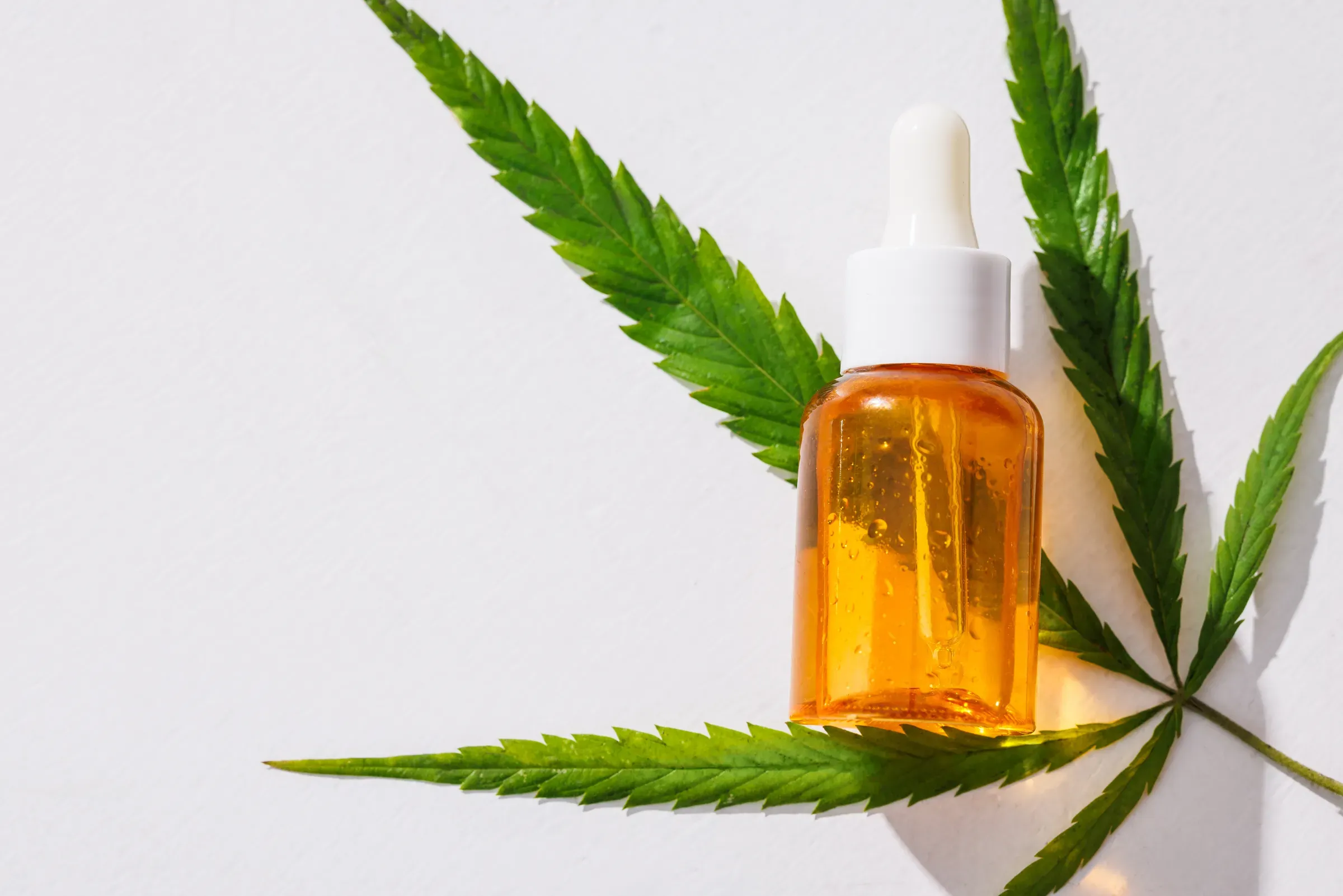
Dropper bottle filled with cannabis oil on a marijuana leaf background on a white background, cbd & hemp ecommerce
CBD & hempAdults managing something they would rather not name in a search bar, who read the certificate of analysis for cannabinoid content and contaminants, check the milligrams per serving against the price, and look for a batch number on the bottle that matches the lab report.

How cbd & hemp makes money

Four levers, and what limits each one here

Revenue is traffic times conversion rate times order value times purchase frequency. In this niche each lever has its own ceiling.

Traffic

Traffic: organic search carries the weight that ads cannot

With Shopping closed to ingestible products and Meta prospecting limited to certified topicals, organic search is the acquisition channel, not a supplement to one. The demand is large and specific: full spectrum versus broad spectrum versus isolate, CBD oil strengths, gummies dosage, topical for a body part, legality by state or province, and the difference between hemp seed oil and CBD. Every one of those is a page the store needs, written to the quality standard Google applies to health content, with product pages beneath it that carry the COA. Backlinks from reputable education and industry sources matter more here than in any other wellness niche because the topic is scrutinized.

Conversion

Conversion: the COA link is the conversion element

A CBD shopper converts when they can verify the batch. The certificate of analysis for the exact lot, showing cannabinoid potency, THC below the legal threshold, pesticides, heavy metals, residual solvents and microbials, needs to be one tap from the product page and matched to the batch number on the bottle. Most stores link to a COA page that lists a hundred PDFs with no way to find the right one. We wire batch numbers to their reports, show milligrams per serving and per bottle in text, explain the spectrum type in one sentence, and keep every benefit statement within what the brand can lawfully say, which is less than a supplement brand can.

Order value

Order value: potency ladders and multi-format bundles

Order value in CBD rises with a clear potency ladder and a sensible bundle. A tincture in three strengths with a per-milligram price shown lets a customer choose the larger bottle on value rather than on a discount. A day-and-night pairing, a tincture plus a topical for a specific use, or a starter set across formats raises the basket for a first-time buyer who does not yet know which format suits them. Because paid acquisition is scarce, the first order has to carry the customer economics on its own, so bundle pages get the same search and content investment as single products.

Frequency

Frequency: tincture math and the subscription that follows

A 30 ml tincture at the serving on the label lasts a predictable number of days, and gummies run out by the count. That makes the reorder date calculable and the replenishment flow precise. The subscription offer arrives after the first bottle, once the customer has settled on a dose, and the interval matches their actual use rather than a default thirty days. Because SMS carriers restrict CBD messaging, the reorder nudge lives in email, and referral programs do the work that paid retargeting would do elsewhere. Frequency reporting tracks reorder on schedule and subscription retention by cohort.

Search visibility

SEO for CBD: the YMYL bar, the education library and the product page

Google treats CBD content as health content, so the pages have to meet a higher standard of accuracy, sourcing and transparency than a typical store. The category queries are spectrum and format terms (full spectrum CBD oil, broad spectrum gummies, CBD cream for knees), strength terms (1000 mg CBD oil), use terms that must be handled without disease claims, and legality terms by jurisdiction. Each cluster gets a collection or a guide with substantial copy, a filtered grid and links from products.

The education library carries the authority: what the spectrum types mean, how to read a COA, how dosing is usually approached without medical advice, the difference between hemp seed oil and CBD, and how the 2018 Farm Bill defines hemp in the US. In Canada, CBD falls under the Cannabis Act and cannot be sold like a supplement, so the Canadian pages must say so and the catalog must respect it. An About page that names the farm, the extractor and the lab is a ranking asset here.

Product pages need milligrams per serving and per bottle as text, the batch COA linked, the ingredient list, Product markup that validates and no wording that promises a medical outcome. Age gates must not block crawlers from the product HTML, and strength variants resolve to one URL.

Queries that matter

  • full spectrum vs broad spectrum cbd
  • 1000 mg cbd oil
  • cbd gummies for sleep
  • cbd cream for knee
  • how to read a cbd certificate of analysis
  • is cbd legal in texas
  • cbd oil for dogs dosage

Education guides with real sourcing, spectrum and strength collections, and product pages with linked batch COAs rank. Pages that promise relief from a named condition tend to lose visibility under the health content standard, and thin product pages behind a hard age gate are rarely indexed at all.

AI answers

AI assistants and CBD: what gets cited when ads are absent

Shoppers ask assistants whether CBD is legal where they live, what the spectrum types mean, how much to start with, and which brands publish batch-level lab results. Assistants are cautious in this category and cite sources that read as transparent and factual. The store that gets named states its testing process, links COAs by batch, explains its dosage approach without giving medical advice, names its sourcing, and keeps Organization and Product markup consistent with the page. We write the education pages answer-first, make the COA process a page in its own right, and confirm the assistant crawlers reach product HTML without hitting the age gate.

Is CBD legal in my state?
What is the difference between full spectrum and isolate?
How many milligrams of CBD should a beginner start with?
Which CBD brands publish third-party lab results for every batch?

Questions shoppers put to assistants. A store gets named when its pages answer them in plain text.

Google Shopping and Merchant Center

Google Shopping and CBD: what is eligible, and what stays out

Ingestible CBD products are not eligible for Shopping ads or free listings, and a feed that includes them risks the Merchant Center account. Google's policy update in 2023 opened a narrow door: topical hemp-derived CBD products with THC at or below the legal threshold, sold in the US jurisdictions Google lists, from advertisers that have completed LegitScript certification and applied to Google. Everything else, including tinctures, gummies, capsules and pet products, stays out.

For a brand with certified topicals, the feed carries only those products, with titles that describe the product and its use area rather than a condition, product_detail for the cannabinoid content and the lab, and the category set to the skincare or body-care node the product belongs to. Descriptions cannot promise pain relief or treatment. The remaining catalog is kept out of the feed by a custom label and a supplemental filter so it is never submitted by accident.

Campaigns for topicals run as Standard Shopping with tight bids, because the eligible set is small and the account is under closer review than most. Free listings are switched on for the certified products only. For the ingestible catalog, the Shopping budget is redirected to organic search and email, which is where the demand is served.

Feed attributes that decide eligibility

  • custom_label to isolate certified topicals
  • product_detail for cannabinoid content and testing lab
  • google_product_category at the body-care node
  • identifier_exists where no GTIN is assigned
  • adult set correctly where the market requires it

Disapprovals we see in this niche

  • Ineligible product disapprovals when an ingestible reaches the feed
  • Healthcare policy flags on relief or treatment language
  • Account-level warnings when certification lapses or the jurisdiction list changes
  • Misrepresentation for THC or potency statements the COA does not support

Meta and social ads

Meta and CBD: hemp policy, certification and creative that does not sell the compound

Meta's hemp and CBD rules allow some hemp products with certification and prohibit the rest, drawing lines by format and market that have moved more than once. In practice, certified topical hemp products have a path, most ingestible CBD does not, and any ad that promotes the compound itself rather than a permitted product is rejected. We check the current policy text before every launch and keep certification documents on file. A rejected ad is minor; a restricted account is a lost channel, so the creative stays conservative.

Where ads are possible, creative shows the product, the texture, the body area and the testing story. It never implies the viewer has pain or anxiety, never shows a before-and-after, and never uses a cannabis leaf as shorthand. Organic social carries more weight in CBD than paid, and creator content needs the same claims review as the brand's own. Retargeting of site visitors is often the only paid audience that clears policy, and the Meta health-and-wellness event restrictions may apply to the domain as well.

  • How to read our COA, walking through one real batch
  • Where it comes from: the farm, the extraction, the lab
  • Texture and application for a topical, with the body area named
  • A founder explaining why the brand publishes every batch
  • The starter set unboxed, formats explained without outcomes

Policy line

Only certified hemp products in the formats and markets Meta permits, no promotion of the compound itself, no implied conditions, no before-and-after, no cannabis imagery, and lower-funnel event restrictions may apply.

Conversion and the store

CBD checkout: trust, payment and age

The product page has to establish legality, potency and testing before it asks for money. The COA link by batch, the milligrams per serving and per bottle, the spectrum type explained, the THC statement matching the report, the ingredient list, and a clear note on shipping restrictions by jurisdiction all belong in the first two screens. Reviews help when they describe use without medical claims, and a moderation policy that removes disease claims from reviews protects the page.

Checkout is where CBD stores lose orders that other stores keep. The payment gateway has to be one that accepts CBD, which on Shopify means a third-party provider rather than Shopify Payments in the US, and the gateway's name on the card statement should be recognizable. Age verification must be light enough not to break the flow and must not block search engines from product HTML. Shipping rules by jurisdiction should refuse an address the store cannot ship to before the card is entered, not after.

Objections the page must answer

  • “Can I see the lab report for this exact batch”
  • “Is it legal to ship this to where I live”
  • “How many milligrams am I actually getting per serving”
  • “Will my card work and what will the charge say”
  • “What is the difference between full spectrum and isolate for me”

Email, SMS and retention

Email, SMS and affiliates for CBD: the owned channels do the acquisition

Email is the primary retention channel and a large part of acquisition in CBD, so the list is built deliberately: education content offered on the guides, a first-order flow that explains dose-finding without medical advice, a day-fourteen check-in, and a replenishment reminder calculated from bottle size and the serving the customer chose. The subscription offer arrives once the customer has settled on a dose. Deliverability needs care because some inbox filters treat cannabinoid vocabulary as spam signals, so sending domains and content are tested.

SMS is constrained: carriers in the US treat CBD as a restricted category under their messaging rules, and many registrations for CBD content are refused or limited. Where SMS is unavailable, the reorder nudge stays in email. Affiliate and referral programs replace the paid retargeting other niches use, with commission structures and creative kits that keep partners inside the claims rules.

  1. Dose-finding guide

    On delivery, without medical advice

  2. Day fourteen check-in

    Two weeks after delivery

  3. Replenishment by bottle size and serving

    One week before the calculated run-out date

  4. Subscription after the first bottle

    With the replenishment reminder, once a dose is settled

  5. Referral invitation

    After the second order

Where revenue leaks

The leaks we find in cbd & hemp stores

The Growth Analysis ranks these against your own numbers and says which to close first.

Get a Growth Analysis for your CBD brand
  • A COA page nobody can search

    A hundred PDFs on one page, none linked to a batch number, so the shopper cannot verify the bottle in the cart and leaves to find a brand that makes it easy.

  • An ingestible product that reached the Shopping feed

    One tincture slips into the feed through a default channel setting, and the Merchant Center account carries the consequence for the certified topicals that were eligible.

  • Age gates that block the crawler

    The gate sits in front of the product HTML, Google indexes an interstitial, and the education library that should be ranking is invisible.

  • A gateway that quietly declines

    The default payment provider does not accept CBD, cards are refused at the last step, and the store reads it as a conversion problem rather than a processing one.

Platform notes

Where the platform changes the work

Shopify

US CBD merchants cannot use Shopify Payments and must complete the hemp attestation and install an approved third-party gateway. Batch COAs live in metafields keyed to lot numbers, the certified-topical subset is isolated for the Google channel with a custom label, and age verification is implemented so product HTML stays crawlable.

WooCommerce

The gateway choice is the first decision and shipping restriction rules by state are built with a plugin that blocks ineligible addresses before payment. COA links are stored as product meta and rendered per lot, and the feed plugin is configured to exclude everything except any certified topicals.

Headless

Age gating and jurisdiction checks run server-side without hiding product markup from crawlers, and COA lookups by batch are served from the same product data as the page.

Questions

CBD & hemp owners ask us

By CartKernel · Last reviewed

Can a CBD brand advertise on Google or Meta at all?

Only within narrow limits. Google permits certified topical hemp-derived CBD products in the US jurisdictions it lists, for advertisers with LegitScript certification, and excludes ingestible products entirely. Meta allows some hemp products with certification by format and market and rejects promotion of the compound itself. We assess which products qualify, handle the certification path, and build the rest of the plan on organic search, email and affiliates.

How should we publish certificates of analysis so they actually help conversion?

By batch, on the product page, one tap away. Each lot number on the bottle maps to its own report, the product page shows the current batch and links the report, and a lookup lets a customer enter their lot number. The COA page explains how to read the report. A single page with a pile of PDFs does not convince anyone.

Does selling CBD change which platform and payment gateway we should use?

Yes. On Shopify in the US, CBD cannot run through Shopify Payments, so an approved third-party gateway and the hemp attestation come first. On WooCommerce the gateway is the first choice too. Either way the descriptor on the card statement should be recognizable and the gateway's dispute handling should be understood, because chargebacks are watched closely in this category.

Why does SMS marketing not work the way it does for our other brand?

Carrier messaging rules treat CBD as a restricted category, so registration for CBD content is often refused or limited and messages can be filtered. We test the specific registration path for your use, keep transactional messages clean, and put the reorder and education flows in email where they will be delivered.

What should CBD product pages say about benefits?

Less than a supplement page can. The FDA's stated position is that CBD does not qualify as a dietary supplement ingredient, so the structure and function framework a vitamin brand uses is not available, and named conditions are out entirely. The page describes the product, the spectrum, the potency, the testing and the sourcing, and lets the education library and customer reviews, moderated for claims, carry the rest.

We sell in Canada as well. What changes for CBD?

CBD in Canada is regulated under the Cannabis Act and sold through licensed channels, so an ordinary DTC store cannot sell it there the way a US hemp brand can. We separate the Canadian and US catalogs, make sure the Canadian site says clearly what it can and cannot ship, and keep the education content jurisdiction-specific so it stays accurate.

Grow your cbd & hemp store.

A free Growth Analysis ranks what your store should fix first, by revenue at stake, in about a week.