Skip to content

Health & wellness · ecommerce growth

Functional mushroom marketing agency

Buyers in this category learn a vocabulary before they spend anything: fruiting body against mycelium grown on grain, beta-glucans against total polysaccharides, hot water extraction against a dual extract. The brand that publishes those numbers gets the order and the one that stays vague loses it to a forum thread. We build the species and extraction library that carries the search, the label transparency that closes the sale, and the format economics that turn a bag of mushroom coffee into a monthly habit.

The buyer, in brief

Consideration
Days to weeks of reading before a first purchase, then minutes for every reorder once the brand is trusted
Purchase frequency
A daily coffee or powder bag lasts roughly a month, a 60-capsule bottle about the same, a tincture one to two months
Seasonality
January habit resets and a coffee-alternative lift at the start of the year, an autumn turn toward reishi and turkey tail, and a quieter summer
Price band
Mid, with cost per serving doing more persuading than the price on the bag
Return risk
Low, because taste is the usual disappointment and a single-serve sachet prevents most of it
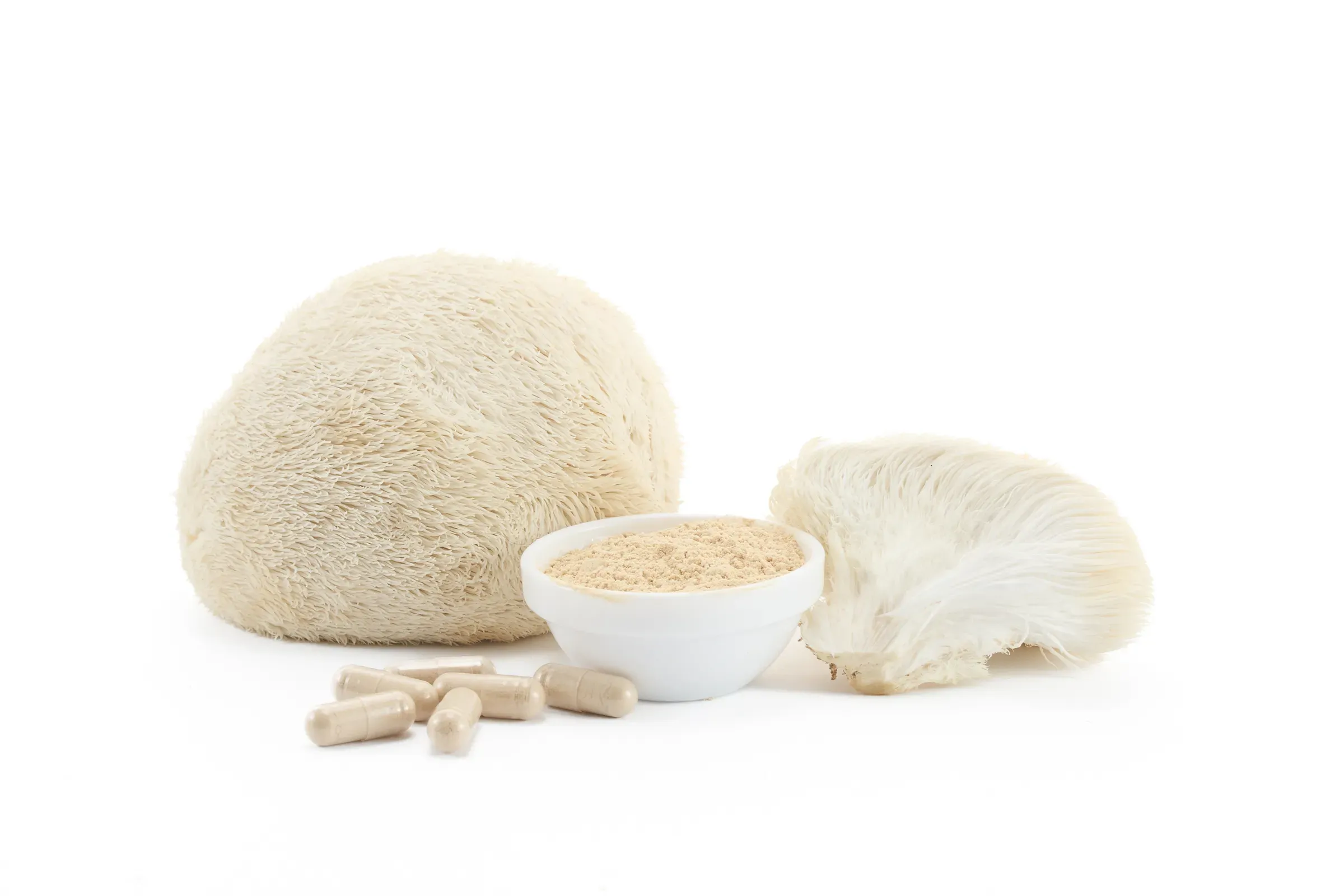
Lion's Mane Mushroom Supplement on white background, functional mushrooms ecommerce
Functional mushroomsSelf-taught buyers who have already read a community thread or a review site, who look for the species by its Latin name, the part of the organism used, the extraction method and a stated beta-glucan figure, and who treat a label listing only polysaccharides as a reason to keep looking elsewhere.

How functional mushrooms makes money

Four levers, and what limits each one here

Revenue is traffic times conversion rate times order value times purchase frequency. In this niche each lever has its own ceiling.

Traffic

Traffic: species names, extraction and the fruiting body question

Search here runs on Latin names and manufacturing detail rather than on benefits. Hericium erinaceus, Ganoderma lucidum, Cordyceps militaris against sinensis, chaga, turkey tail, then fruiting body against mycelium on grain, then hot water against dual extraction. Each species deserves a page that explains what it is, what part is used, how it is extracted and what the label should show, and each manufacturing question deserves its own explainer. A store with one collection called mushrooms and a blog about wellbeing hands every one of those queries to a competitor or to a community forum.

Conversion

Conversion: the beta-glucan figure settles the argument

The informed buyer is looking for one number and its provenance. A label stating total polysaccharides tells them very little, because starch from the growing substrate counts toward that figure, while a stated beta-glucan percentage from a named third-party laboratory tells them what they are paying for. Publishing that figure per batch, alongside the part of the organism used and the extraction method, converts better than any amount of atmosphere. Stores that cannot publish it should say what they can measure and why, because silence on the category's central question reads as an answer.

Order value

Order value: the stack, the larger bag and the format switch

People rarely stay on one species. A lion's mane buyer adds reishi for the evening, a cordyceps buyer adds a blend for training days, and a stack presented as a daily rhythm rather than a discount bundle raises the basket honestly. The second lever is size: a bag priced by serving makes the larger format the obvious choice once the taste is settled, which is why the cost per serving belongs beside the price. The third is format, because a customer who likes the capsules will often take the coffee as well once they understand it is the same extract in a different vehicle.

Frequency

Frequency: a daily ritual empties a bag every month

This is one of the few wellness categories where the product is consumed at a fixed time every day, which makes the reorder date genuinely predictable from the servings per bag. A coffee drinker who has replaced their morning cup will finish a thirty-serving bag in about a month, and if the reminder arrives a few days before that they never break the habit. Missing the date is expensive because the customer buys a normal coffee instead and the ritual, not just the order, is lost. Subscriptions work here for exactly that reason, provided the interval is set by servings rather than by a default month.

Search visibility

SEO for functional mushrooms: species, part used, extraction, proof

The demand splits into three layers and most stores build only the third. The first is species: what lion's mane is, what reishi is traditionally used for, how cordyceps militaris differs from sinensis, what chaga actually is. The second is manufacturing: fruiting body against mycelium on grain, hot water against dual extraction, why one method is used for beta-glucans and another for triterpenes, and what a certificate of analysis for a mushroom extract actually shows. The third is the product page. Without the first two the third has nothing to rank on.

This is a category where education genuinely earns links, because the questions are technical, the community is engaged, and good explanations are scarce. A page that walks through a real certificate of analysis, names the laboratory and explains what each line means will be cited by people arguing about the subject elsewhere. That is the fastest authority available to a new brand here, and it costs nothing but candour.

One technical caution is specific to this niche. Functional mushroom products are not psychoactive, and copy that borrows vocabulary from an entirely different category attracts the wrong classification from ad reviewers, payment providers and occasionally from search engines. Keep the catalog and the language unambiguous, keep the species and the part used in the title and the structured data, and keep formats that belong in different product categories on clearly different templates.
Queries that matter

  • lions mane fruiting body vs mycelium
  • beta glucan content in lions mane supplement
  • reishi dual extract explained
  • cordyceps militaris vs sinensis
  • mushroom coffee without mycelium on grain
  • how is chaga extracted
  • turkey tail powder how to take

Species explainers, extraction and part-used comparisons, and pages that walk through a real certificate of analysis rank here. Benefit-led collection pages with no manufacturing detail do not.

AI answers

Assistants get asked to referee the fruiting body argument

The questions are manufacturing questions dressed as shopping questions: whether mycelium grown on grain is comparable to fruiting body, why a label lists polysaccharides instead of beta-glucans, whether dual extraction is necessary for a particular species, what a normal daily serving looks like. Assistants quote sources that answer with specifics and show their working. A store becomes that source when the species, the part used, the extraction method and the tested beta-glucan figure appear as plain text on the product page and in the guide, worded identically in both places, with the laboratory named rather than implied.

What is the difference between fruiting body and mycelium in a mushroom supplement?
Why do labels list polysaccharides instead of beta-glucans?
Is dual extraction necessary for reishi?
How much lion's mane powder is a normal daily serving?

Questions shoppers put to assistants. A store gets named when its pages answer them in plain text.

Google Shopping and Merchant Center

Feeds for a catalog that is half supplement and half beverage

The first decision is categorisation, and it is not obvious. A capsule or a powder belongs at the vitamins and supplements node, while a ground coffee blend or an instant sachet belongs in the beverage tree, and submitting the second as the first produces weak performance because Google is matching it against the wrong set of queries. Splitting the feed by format rather than by brand line is what fixes it, with a custom label carrying the format through into campaign structure.

Eligibility risk is concentrated in two places. Claims about focus, stress or immunity that name a condition move a listing into the healthcare policies, and vocabulary borrowed from psychoactive categories can trigger unapproved substance review even when the product is nothing of the kind. Titles that name the species, the part used, the extraction and the format describe the product completely without touching either. Product_detail carries the species, the part, the extraction method and the tested beta-glucan figure, and unit_pricing_measure lets Shopping compare a thirty-serving bag against a sixty honestly.

Coffee formats also change the competitive set. A mushroom coffee sits beside ordinary coffee in the auction, which means price per serving and shipping thresholds matter more than they do for a capsule bottle, and free listings are worth running for the formats where the comparison is favourable.

Feed attributes that decide eligibility

  • google_product_category split between the supplement and beverage nodes
  • product_detail for species, part used and extraction method
  • unit_pricing_measure for servings per pack
  • item_group_id across bag and bottle sizes
  • gtin or identifier_exists
  • custom_label for format so campaigns can separate coffee from capsules

Disapprovals we see in this niche

  • Healthcare policy flags on descriptions that name focus or immune conditions as outcomes
  • Unapproved substance review triggered by vocabulary borrowed from psychoactive categories
  • Limited performance on coffee blends filed under the supplement node
  • Misrepresentation when the page states a beta-glucan figure the label does not

Meta and social ads

Meta creative: the extraction, the label and the morning cup

The temptation in this category is to advertise a mental state, and that is exactly what will not clear. Language about brain fog, low mood or fatigue implies a condition in the viewer, which the personal attributes policy prohibits, and outcome claims for a supplement are not permitted regardless of how they are phrased. What passes is the manufacturing story and the ritual: two jars showing what hot water and alcohol pull out, the certificate of analysis on screen with the beta-glucan line pointed at, the cup being made in real time, the farm and the substrate.

Taste is the other honest angle and it is underused. This is a product people put in their mouth every morning, so a straightforward description of what it tastes like, including what it does not taste like, does more for a first order than any claim would. Creator content works well here because the audience is already curious, but scripts need review, since a creator describing what a mushroom did for their concentration hands the brand a claim it cannot support.

  • Two jars showing what hot water and alcohol extract, side by side
  • The certificate of analysis on screen with the beta-glucan line explained
  • The morning cup made in real time, from bag to mug
  • The farm and the substrate, filmed where the mushrooms are grown
  • An honest description of the taste, including what it is not

Policy line

No implied condition in the viewer such as fatigue or poor concentration, no outcome claims for a supplement, no vocabulary borrowed from psychoactive categories, and lower-funnel event sharing may be restricted for health-classified domains.

Conversion and the store

Product pages built for a buyer who reads labels for sport

This shopper is checking specifics in a fixed order, so the page should present them in that order: species with the Latin name, part of the organism used, extraction method, tested beta-glucan figure with the laboratory named, servings per pack, cost per serving, and then how to take it. Anything hidden behind a tab is treated as an answer withheld. A link to the batch certificate, rather than a badge saying the product is tested, is what turns a careful reader into a buyer.

The second job is taste, because that is what actually causes a first order to fail. Describe the flavour plainly, say how it behaves with milk or water, and offer a single-serve sachet or a small bag so a cautious buyer can find out for the price of a coffee. On mobile the cost per serving should sit next to the price rather than three scrolls below it, since the larger bag is only obviously better once both numbers are visible together.

Objections the page must answer

  • “Is this fruiting body or mycelium grown on grain”
  • “What is the tested beta-glucan content and who tested it”
  • “What does it actually taste like”
  • “How much caffeine is in the coffee blend”
  • “How long does one bag last at a daily serving”

Email, SMS and retention

Email: the brewing guide, the taste check and the servings clock

The first sequence is practical because the first failure is practical. Show how to brew or dose it, how much water and at what temperature, what to add if the taste is unfamiliar, and when in the day each species is usually taken. A taste and routine check a fortnight later catches the customer who has quietly stopped, and it is the cheapest intervention available in this category because the fix is usually a preparation tip rather than a refund.

After that the calendar comes from the pack. Servings per bag divided by the daily routine gives a reorder date, and the reminder needs to arrive several days before it, because a customer whose bag runs out on a Tuesday buys ordinary coffee on Wednesday and the habit is gone. Subscriptions are offered once the taste is settled rather than on the first checkout, with the interval set from servings. Seasonal sends introduce a second species rather than discount the first.

  1. Brewing and dosing guide

    On delivery, before the first cup

  2. Taste and routine check

    Day twelve to day sixteen after the first order

  3. Reorder by servings per pack

    Several days before the calculated last serving

  4. Subscription offer at the interval that matches the pack

    After the first bag is finished, not at first checkout

  5. Second species introduction

    Six to eight weeks in, timed to the season

Where revenue leaks

The leaks we find in functional mushrooms stores

The Growth Analysis ranks these against your own numbers and says which to close first.

Get a Growth Analysis for your functional mushroom brand
  • A label that only states polysaccharides

    The category's most informed buyers read that as an answer rather than an omission, and they leave for a brand that publishes a beta-glucan figure and names the laboratory.

  • Coffee filed under the supplement node

    A beverage submitted as a supplement is matched against the wrong queries, so it competes in an auction it was never built for and performance stays limited for reasons nobody can see.

  • No species pages at all

    Every Latin name and manufacturing question in the niche is answered by a forum or a competitor, and the catalog only shows up once somebody already knows which product they want.

  • Vocabulary borrowed from another category

    A single word chosen for edge in a headline invites review from ad platforms and payment providers, and the resulting classification is much harder to remove than the word was to write.

  • No sample and no taste description

    The first order fails at the first cup, and the customer never says why, so the store keeps buying replacements for people it could have kept.

Platform notes

Where the platform changes the work

Shopify

Metafields carry species, part used, extraction method and the batch beta-glucan figure so they render on the page and map into product_detail. Formats that belong in different product categories need separate feed rules, and subscription intervals should be set from servings per pack rather than from a default monthly cadence.

WooCommerce

Global attributes for species, part and extraction drive the filters, the indexable attribute archives and the feed together, and the feed plugin needs a category mapping that can send coffee and capsules to different Google nodes.

BigCommerce

Custom fields hold the certificate reference and the tested figures alongside the product, and price lists handle bag sizes cleanly so cost per serving can be displayed without a separate app.

Questions

Functional mushrooms owners ask us

By CartKernel · Last reviewed

Should we publish beta-glucan test results even if the numbers are modest?

Yes, with the method and the laboratory named. The informed part of this audience already knows that total polysaccharide figures include substrate starch, so a modest but honest beta-glucan number published with its context earns more trust than a large figure with no explanation. It also gives you a page nobody else in the niche can copy.

Can we advertise mushroom coffee and capsules in the same campaign?

It is better not to. They sit in different product categories, they face different competitors in the auction, and their creative needs are unrelated. We split the feed by format, run separate campaigns and asset groups, and report them separately, because a blended number hides which format is actually acquiring customers.

What can we say about focus or immunity without a substantiated claim?

You can describe the species, the part used, the extraction, the dose and the traditional context, and in the United States a structure and function statement with the required disclaimer is available. What you cannot do is name a condition, promise an outcome or imply the reader has a problem. We write the pages and the ads to that line and keep documentation for anything stronger.

Does selling in Canada change anything for a mushroom brand?

Yes. A natural health product sold in Canada needs a licence and a Natural Product Number, and the permitted claims come from that licence rather than from the marketing copy. That changes what the Canadian pages and feeds can say, so we map the catalog by market and keep each one consistent with its own licensing position.

How do we stop the taste problem from killing first orders?

Describe it honestly on the page, offer a single-serve sachet or a small bag, and send a preparation guide with the delivery. Then check in around week two, when someone who dislikes it has already stopped but has not yet decided never to reorder. Most of these losses are a preparation issue that one email would have solved.

What should a functional mushroom brand report on every month?

Revenue by species and by format, cost per serving against the competitor set, subscription starts and churn by cohort, reorder rate against the calculated pack duration, and organic traffic to the species and extraction pages separately from the product pages. Those five lines show whether the education work is turning into repeat purchases.

Grow your functional mushrooms store.

A free Growth Analysis ranks what your store should fix first, by revenue at stake, in about a week.