Skip to content

Jewelry · ecommerce growth

Lab grown diamond marketing agency

Lab-grown diamond shoppers arrive with two tabs open and a price per carat in mind. They know the four Cs or are about to learn them, they want a grading report with a laser inscription they can check, and they want to be told plainly what the stone is and what it is not. We build the growth system for that buyer: comparison and education pages that rank, a loose-stone feed that stays true daily, ads that satisfy the disclosure rules, and a stone search that ends in an order.

The buyer, in brief

Consideration
One to six weeks, most of it spent comparing loose stones across stores and reading about how the stones are grown
Purchase frequency
Once for most buyers, with a second purchase for studs or a pendant when the first experience was good
Seasonality
Proposal season from November through Valentine's Day, a second rise in late spring, and steady demand for studs and pendants around the December holidays
Price band
Mid to premium, positioned on carat size for the money, with financing common on center stones
Return risk
Moderate and expensive to process; stones come back because the color or cut looked different in daylight, which honest videos and report data prevent
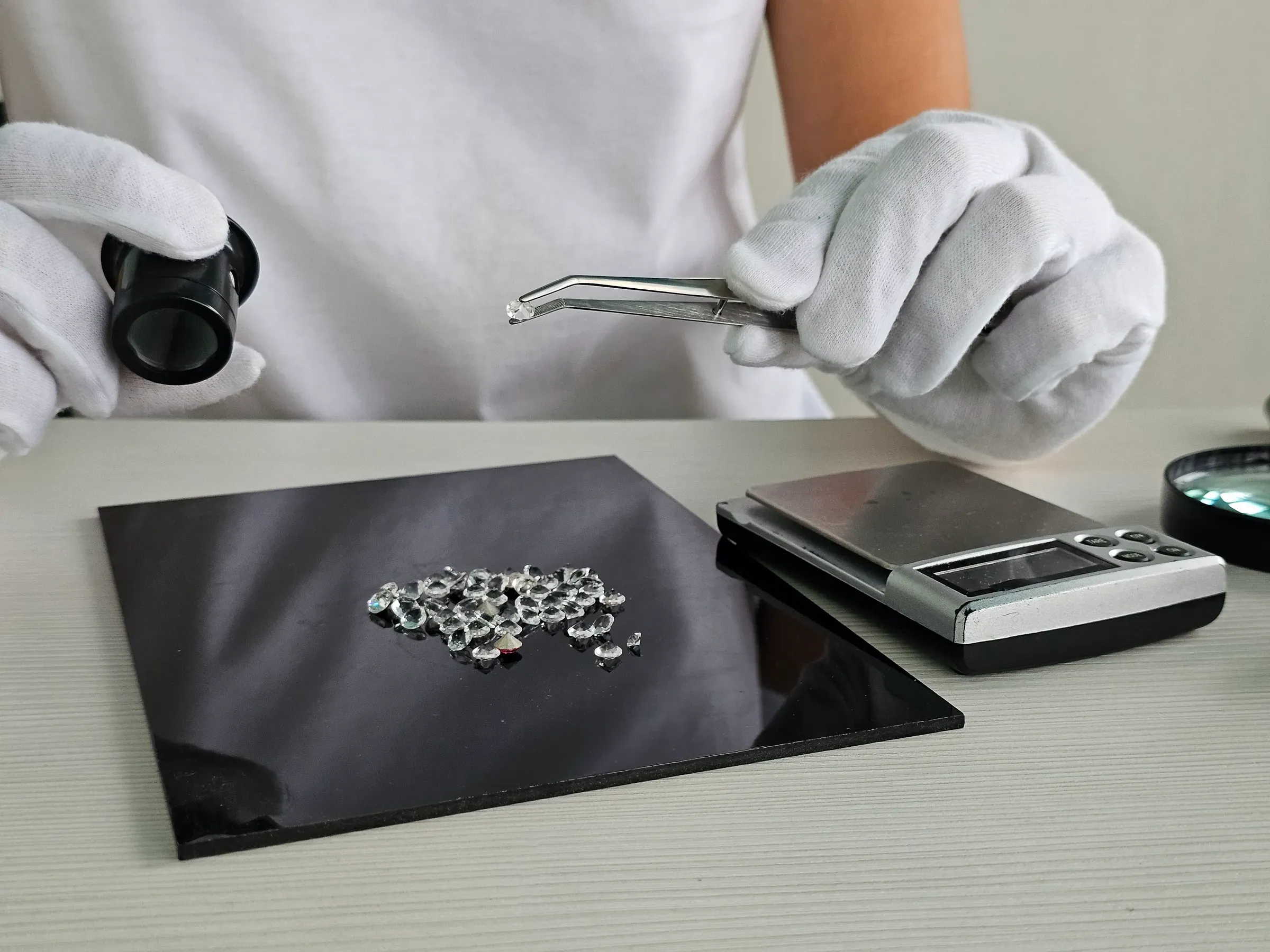
Woman jeweler sorts diamonds with tweezers on wooden table with scales, lab-grown diamonds ecommerce
Lab-grown diamondsValue-conscious engagement and fine jewelry buyers, often in their twenties and thirties, who compare stones by carat, cut, color, clarity and report, and who verify the report number on the laboratory's site before paying.

How lab-grown diamonds makes money

Four levers, and what limits each one here

Revenue is traffic times conversion rate times order value times purchase frequency. In this niche each lever has its own ceiling.

Traffic

Traffic: the comparison query and the exact-specification query

Two kinds of searches drive this niche. The first is educational: lab-grown versus mined, are lab-grown diamonds real, CVD versus HPHT, do lab-grown diamonds hold value. The second is exact: 2 carat oval lab-grown diamond, F color VS1 lab-grown round, IGI certified lab diamond. Most stores have a stone search tool that Google cannot crawl and a blog that hedges. The traffic work is a set of comparison and education pages that answer plainly, plus indexable landing pages for the shape, carat and quality combinations people actually search, each rendering a live grid of stones with prices. The stone search remains the tool; the landing pages are the doors.

Conversion

Conversion: video, report and the honest answer about value

A shopper comparing loose stones converts on three things: a 360 video of the actual stone, the grading report linked by its number to the laboratory, and clear statements about origin, growth method and any post-growth treatment. They also want the resale value question answered honestly, and a store that avoids it loses trust. We place the video first, the report second and the specifications third on every stone page, state the growth method and treatment status as data, and write a plain paragraph about what lab-grown diamonds cost over time and why. Returns terms, insured shipping and the setting options belong beside the price, because the stone is rarely bought alone.

Order value

Order value: the setting, the upgrade and the matched pair

The stone is the decision; the order is the stone plus the setting plus, often, a wedding band. Order value grows when the setting is chosen on the stone page rather than in a separate journey, when the next carat up is shown with its price difference rather than hidden in a filter, and when matched pairs for studs are offered from the loose inventory automatically. A metal and setting selector on the stone page, a comparison drawer for two or three shortlisted stones, and a band suggestion in the cart do most of this work. Discounts are unnecessary and undermine the price-transparency position the niche depends on.

Frequency

Frequency: the second stone is smaller and sooner than you think

Lab-grown buyers rarely need another center stone, but the stud earrings and the pendant that follow are a real second sale, often within a year, at a lower price and a shorter consideration. The frequency work is knowing what was bought, why and when, then offering the matching piece around the first anniversary of the purchase or before the next gifting peak. Customers who bought a loose stone and had it set elsewhere are a specific segment: they respond to a setting or band offer within weeks. A referral offer at the moment of the proposal story, when the buyer wants to talk about it, produces new customers who already trust the store.

Search visibility

Search: comparison pages, specification landing pages and a crawlable stone inventory

Lab-grown diamonds rank on clarity of explanation and on structure. The educational queries (lab-grown versus natural diamonds, are lab-grown diamonds real, how lab-grown diamonds are made) want a direct, well-organized answer from a seller who is not hiding anything, and those pages earn links from press and forums when they are honest about value and resale. Guides to reading an IGI or GIA report, to choosing color and clarity for a given budget, and to shape and cut earn the mid-funnel queries.

Specification landing pages carry the commercial demand. A page for each shape, and for the most searched shape and carat combinations, needs copy about how that shape performs, price guidance drawn from the live inventory, and a grid of current stones with prices and report links. These pages are built inside the platform and refreshed from the inventory, so they stay accurate as stones sell.

The technical problem is the stone inventory itself. Thousands of loose stone URLs with a report number and no prose are thin pages that waste crawl budget and dilute the site. We index the landing pages, keep individual stone pages crawlable but out of the index unless they carry unique content, mark sold stones properly, and keep Product structured data valid on every indexed page.

Queries that matter

  • lab grown diamond vs natural
  • are lab grown diamonds real diamonds
  • 2 carat oval lab grown diamond
  • igi certified lab grown diamond ring
  • cvd vs hpht diamond
  • do lab grown diamonds hold their value
  • lab grown diamond stud earrings

Honest comparison pages, shape and carat landing pages with live inventory, and report-reading guides rank in this niche. Thousands of bare stone pages and a blog that avoids the value question do not.

AI answers

AI answers: origin, growth method and value, stated without hedging

Shoppers ask assistants whether lab-grown diamonds are real, whether they test as diamonds, how much cheaper they are than mined, what CVD and HPHT mean, and which laboratories grade them. The stores that get cited answer each of those in a paragraph an engine can lift, state growth method and treatment status on every stone as text, and keep the disclosure wording consistent between the page, the feed and the Product markup. We write the education pages answer-first, keep the laboratory names and report numbers in crawlable HTML rather than inside the search tool, and make sure the About page says who the company is and how it sources stones.

Are lab-grown diamonds real diamonds?
What is the difference between CVD and HPHT diamonds?
Which laboratories grade lab-grown diamonds?
Do lab-grown diamonds lose value after purchase?
How much cheaper is a lab-grown diamond than a mined one of the same grade?

Questions shoppers put to assistants. A store gets named when its pages answer them in plain text.

Google Shopping and Merchant Center

Google Shopping and Merchant Center for lab-grown stones and jewelry

The feed in this niche is a moving inventory. Loose stones sell one at a time, so availability has to update as often as the inventory does, and a stone still listed after it sold is an availability mismatch that, repeated, becomes an account problem. Each stone needs identifier_exists set to false, brand set to the store, MPN set to the report number, and a title that carries carat, shape, color, clarity, cut grade and the grading laboratory in that order. Product_detail carries growth method and treatment status; the material attribute distinguishes the stone from the metal in set pieces.

Disclosure is the policy risk. A title that says diamond without lab-grown or laboratory-created beside it, or a description that implies the stone is mined, is misrepresentation, and the same rule applies to comparison prices against mined stones that were never charged by the store. Images must show the actual stone or an accurate render without overlays.

Campaign structure follows the catalog: loose stones by carat bucket with bids set to margin and a long conversion window, set jewelry such as studs and pendants in campaigns that acquire, and free listings switched on because stone inventories generate many long-tail impressions.

Feed attributes that decide eligibility

  • availability updated with the inventory
  • identifier_exists and MPN as the report number
  • product_detail for growth method and treatment
  • material
  • custom_label by carat bucket
  • google_product_category at the loose stone or jewelry node

Disapprovals we see in this niche

  • Misrepresentation for diamond stated without the lab-grown qualifier
  • Availability mismatch on stones sold since the last feed run
  • Comparison pricing against mined stones the store never sold
  • Rendered images with text or badge overlays

Meta and social ads

Meta and social ads: the stone in motion and the price said out loud

Creative in this niche has one advantage: the price-for-size story is simple and true. Ads that show the stone in motion in daylight, name the carat and the price, and explain in one sentence how it was grown outperform lifestyle imagery. Founder-to-camera explanations of the growth process, side-by-side clips of two stones with their reports, and customers explaining why they chose lab-grown convert a skeptical audience. The word diamond must be qualified in the ad text the same way it is on the page.

Audiences start with site visitors and stone-search users, who are the warmest segment in ecommerce, then broad prospecting to people planning a proposal, expressed through creative rather than through targeting. Catalog ads retarget shoppers with the stones they compared. UGC of the proposal itself, with rights secured, is the strongest social proof available and needs no discount attached.

  • The stone turning in sunlight with carat and price on screen
  • How a diamond is grown, explained by the person who buys the rough
  • Two stones, two reports, one budget
  • The proposal video the customer sent, used with permission
  • What resale value really means, said plainly

Policy line

Every use of the word diamond in ad text qualified as lab-grown or laboratory-created, no comparison prices the store never charged, and no claims about investment or resale value that the store cannot support.

Conversion and the store

The stone page and the search tool: converting a comparison shopper

The shopper has a shortlist across several stores, so the page has to win a comparison rather than a first look. That means a 360 video of the actual stone, the report opened by number, the growth method and treatment stated, a side-by-side comparison of shortlisted stones, and a setting selector that turns the stone into a finished ring with a total price. The value question is answered on the page in a short paragraph. Insured shipping, the return window and the resizing terms sit next to the price.

The search tool is the revenue template and it must work on a phone: filters for shape, carat, color, clarity and cut, sorted by price by default, with the video visible in the results grid. Saved shortlists that persist across sessions and can be shared with a partner recover the shopper who leaves to discuss. A chat or call option staffed by someone who can read a report turns the last question into an order.

Objections the page must answer

  • “Is this really a diamond and will it test as one”
  • “Why is this stone cheaper than the one on the other site”
  • “Will it look yellow or cloudy in daylight”
  • “What is it worth if I ever sell it”
  • “Can I see it set in the ring before I buy”

Email, SMS and retention

Email and SMS: shortlist recovery, the setting, and the studs a year later

The flows that pay begin before purchase. A shortlist or saved-search flow returns the shopper to the stones they compared, notes when one sells, and offers a report-reading guide, because most abandoned stone searches end in indecision rather than rejection. After a loose stone order, a setting flow within days sells the mount, and after a finished ring order, a band flow follows within months.

Post-purchase messages cover insurance, cleaning and the laboratory report's inscription so the buyer can verify it, and they ask for the proposal story with permission to share it. The anniversary of the purchase is the trigger for studs or a pendant, matched to the color and clarity the customer chose. SMS is limited to shipping, signature-required delivery and a sold-stone alert for saved shortlists. Newsletters about new inventory are worthwhile only when segmented by shape and carat range.

  1. Shortlist recovery

    Within a day, then when a shortlisted stone sells

  2. Setting after loose stone

    Three to seven days after a loose stone order

  3. Verify your report

    On delivery

  4. Band after ring

    Two to four months after a finished ring order

  5. Studs and pendant

    Eleven months after the first order

Where revenue leaks

The leaks we find in lab-grown diamonds stores

The Growth Analysis ranks these against your own numbers and says which to close first.

Get a Growth Analysis for your lab-grown diamond store
  • Stones that sold but still show

    The inventory changed at noon, the feed ran at midnight, and the shopper who found the perfect stone in Shopping is told it is gone. Repeated, this becomes a Merchant Center warning.

  • A search tool Google cannot enter

    All the stones live behind a JavaScript tool with no indexable landing pages, so the shape and carat queries the store should own go to sellers with crawlable inventory.

  • The unqualified diamond

    Ad copy or a feed title says diamond alone, the misrepresentation policy applies, and the account sits in review during proposal season.

  • The value question left unanswered

    The shopper asks whether the stone will hold value, finds silence, assumes the worst and buys from a store that explained it honestly.

Platform notes

Where the platform changes the work

Shopify

Stone inventories usually arrive from a supplier API, so the loose stones live in a connected app or custom storefront section while the landing pages and set jewelry are native products with metafields for growth method, laboratory and report number. The feed needs a dedicated source for the stones with frequent availability updates, separate from the native product feed.

Headless

A headless build suits stores whose stone search is the product: server-rendered landing pages for shape and carat, a fast client-side filter, and Product structured data on every indexed page. The risk is a site that renders nothing to a crawler; we check every template as a bot.

WooCommerce

Large stone inventories strain WooCommerce as products, so stones are better held in a custom table or external service with WooCommerce carrying settings, finished jewelry and the checkout. Feed plugins must be configured to read the stone source, not just the product catalog.

Questions

Lab-grown diamonds owners ask us

By CartKernel · Last reviewed

Can we call our products diamonds in ads and feed titles?

Yes, with the qualifier attached every time: lab-grown diamond, laboratory-grown diamond or laboratory-created diamond. The word diamond alone, or terms that imply natural origin, breach the disclosure guidance that regulators in the United States and Canada apply to jewelry, and Merchant Center treats it as misrepresentation. We write every title, description and ad asset with the qualifier in place.

Should every loose stone have its own indexed page?

No. Thousands of near-identical stone pages with a report number and no prose dilute the site and burn crawl budget. We index landing pages for shapes, carat ranges and quality combinations that people search, keep individual stone pages available but out of the index, and make sure sold stones redirect or show clearly that they have gone.

How do we compete in Shopping with large diamond retailers?

On accuracy and structure rather than on breadth. A feed whose availability is current, whose titles carry carat, shape, color, clarity and laboratory, and whose product_detail states growth method gets shown for the exact-specification queries that convert. Bidding by carat bucket to margin, with free listings on, keeps the account efficient where the large retailers spend broadly.

How should the store answer the resale value question?

Directly, in a short paragraph on the comparison page and the stone page: lab-grown diamond prices have fallen as production has grown, the store does not sell them as investments, and the buyer is paying for size and quality today. Stores that avoid the question lose the shopper's trust; stores that answer it earn a page other sites link to.

Do lab-grown stones need grading reports?

For center stones, yes. Buyers expect a report from a recognized laboratory with a laser inscription they can check, and the report number becomes the MPN in the feed and the anchor of the product page. Small stones in studs or pavé can be described by a total carat weight and quality range as long as the description is accurate.

How long does it take for lab-grown comparison content to rank?

The educational pages often move within a few months because honest, well-structured answers are scarce, while shape and carat landing pages typically take three to six months as the inventory feeds them and links accumulate. Technical fixes to the stone search and indexation show in crawl data within weeks.

Grow your lab-grown diamonds store.

A free Growth Analysis ranks what your store should fix first, by revenue at stake, in about a week.