Skip to content

Footwear · ecommerce growth

Sneaker brand marketing agency

A sneaker brand lives on a calendar of releases. Buyers follow the drop, enter the raffle, watch the resale price and judge the store by whether they could actually check out when the clock hit zero. We build for that rhythm: colourway pages and style-code search that rank between drops, feeds that keep every size in step with fast-moving stock, a checkout that holds under a launch, and email and SMS that turn a raffle loser into the next full-price buyer.

The buyer, in brief

Consideration
Minutes for a hyped release, a week or more for a general-release colourway they are still weighing
Purchase frequency
Several pairs a year for collectors, one or two for casual buyers, clustered around releases and seasonal sales
Seasonality
Driven by the release calendar rather than the weather, with peaks around major drops, back-to-school and the holiday quarter
Price band
Mid to premium at retail, with limited pairs carrying a resale premium the store never sees
Return risk
Moderate, caused by between-brand size differences and by buyers ordering two sizes; unworn limited pairs resell, worn ones do not
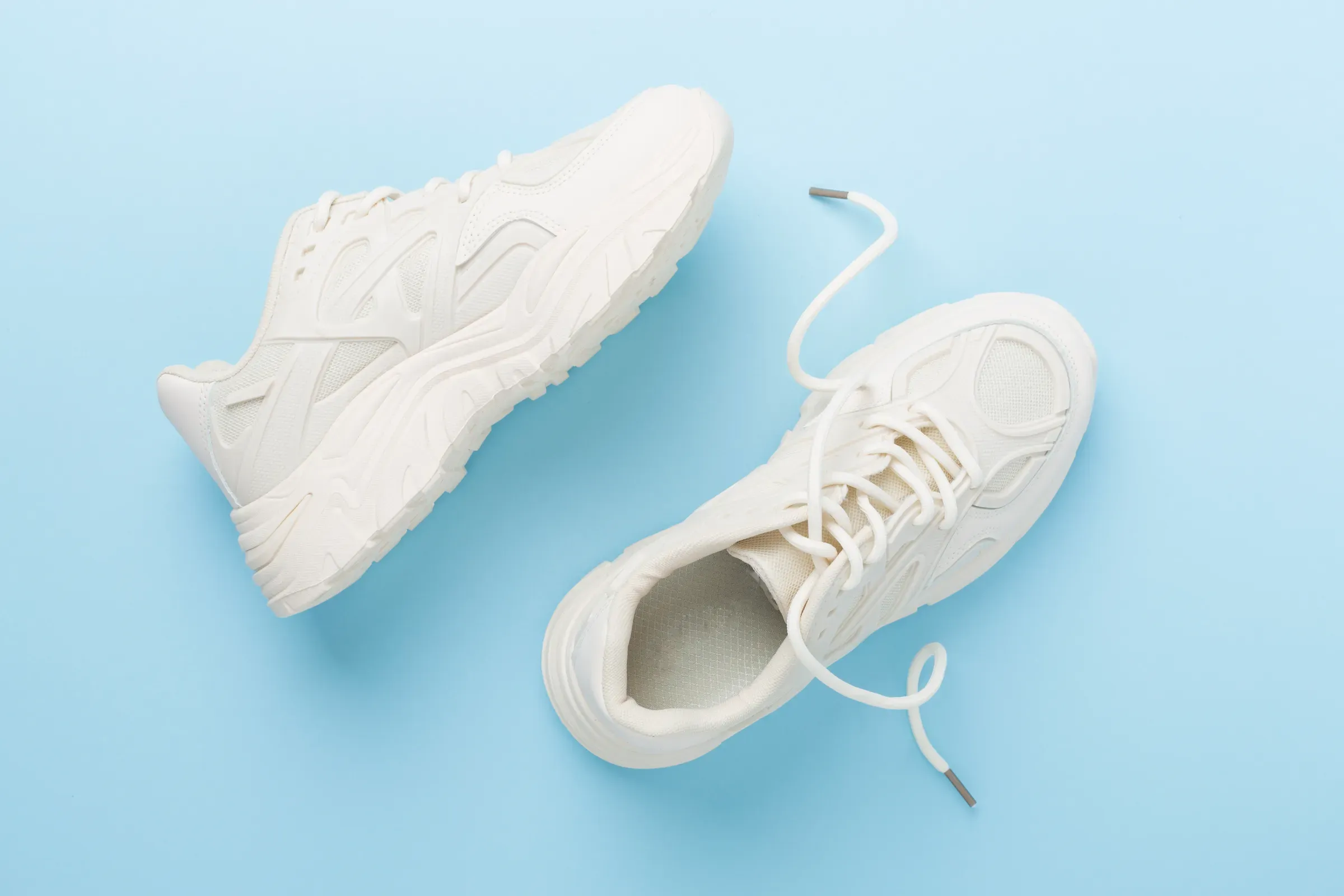
White woman trendy sneakers on color background, top view, sneakers ecommerce
SneakersCollectors and everyday buyers from their teens to their forties who know the style code, follow release accounts, compare the store's price with the resale market and check that the store is an authorized seller before they pay.

How sneakers makes money

Four levers, and what limits each one here

Revenue is traffic times conversion rate times order value times purchase frequency. In this niche each lever has its own ceiling.

Traffic

Traffic: style codes, colourways and the release calendar

Sneaker demand is searched by model, colourway name and style code, plus a second layer of release-date and where-to-buy queries that start weeks before a drop. A store with a single Sneakers collection and a lookbook captures none of it. The traffic lever is a page structure that mirrors how the category is discussed: a persistent model page that outlives any single colourway, a page per colourway with the style code in the title and body, and a release calendar maintained as structured data rather than as a blog post. Those pages earn links from release trackers and forums, and they carry traffic in the quiet weeks between launches when nothing else on the site is moving.

Conversion

Conversion: the checkout has to survive the drop

In this niche the whole conversion problem compresses into a few minutes. The page has to load under a spike, the size grid has to show live availability without a click, bots have to be held off without punishing real buyers, and the payment step has to be short enough that a shopper on a phone finishes before the size is gone. A raffle removes the race entirely and produces a cleaner signal: entries with a size attached, winners charged automatically, losers on a list. We load-test launch pages, configure the platform's bot protection, wire the raffle flow and keep general-release pages fast enough that the ordinary Tuesday order is never the casualty of a launch.

Order value

Order value: care kits, laces and the second colourway

Order value on a hyped pair is fixed, because the buyer wants one thing and any add-on slows the checkout they are racing through. The lever sits with general releases and with the days after a drop. Cleaning kits, replacement laces, crease guards and matched socks belong on general-release product pages and in the post-purchase email rather than in the launch cart. A second colourway of the same silhouette offered to buyers of the first is the most natural bundle in the category, and a two-pair offer on general releases lifts the basket without discounting the pair the buyer came for.

Frequency

Frequency: the raffle list is the retention engine

Every raffle entry is a first-party record with a size attached, and the entrants who lost are the warmest audience the brand has for the next general release in the same silhouette. Purchase frequency in sneakers comes from a release calendar the customer subscribes to, not from a discount code. Drop reminders by SMS for opted-in customers, early access for repeat buyers, back-in-stock alerts by size and a follow-up to losers within a day of the draw turn a one-off launch into a sequence of purchases. The brand that only speaks to its list on launch day trains buyers to wait for the next launch.

Search visibility

Search: model pages, colourway pages and a release calendar that ranks

Sneaker search splits into three shapes. Model queries (the silhouette name on its own) want a page that explains the model, its history, its fit and every colourway available now. Colourway queries carry the colourway name or the style code and want one page with the exact pair, its release date, price and size run. Release queries ask when and where, weeks ahead of the date, and want a calendar. Most stores collapse all three into one product page per colourway that dies when the stock does, so we build the model page as a persistent hub, keep colourway pages live after sell-out with an honest sold-out state and a link to the model, and publish the calendar as a page that is updated on a schedule.

Style codes deserve their own attention. Buyers paste them into search, and a product page that carries the code in the title, the H1 and the body ranks for it with almost no competition from anyone but marketplaces. Fit notes per model (runs a half size large, narrow toe box) answer the question that decides the order and earn the featured snippet.

Technically, sizes are variants of one product with one URL, colourways are separate products grouped under the model, and sold-out pages return a 200 with structured data showing the availability state rather than a redirect to the collection.

Queries that matter

  • sneaker style code lookup
  • model name colourway name release date
  • where to buy limited sneakers at retail price
  • do these sneakers run big or small
  • sneaker raffle this week
  • white leather sneakers men
  • retro basketball sneakers restock

Persistent model pages, colourway pages with the style code and a calendar that is kept current rank in this niche. A collection grid with a heading does not, and a blog that rewrites release press notes does not either.

AI answers

AI answers: fit, authenticity and where to buy at retail

People ask assistants whether a model runs true to size, how two versions of the same silhouette differ, where a colourway can be bought at retail and how to tell an authorized seller from a reseller. A sneaker store gets cited when its model page states the fit in plain text, its colourway pages carry the style code, the release date and the price consistently with the feed, and its About page says plainly which brands it is authorized to sell. We write the fit note as a direct sentence an engine can lift, keep Product markup in step with Merchant Center and make sure sold-out pages still say what the pair was and when it released.

Do these sneakers run true to size or should I go half a size up?
Where can I buy this colourway at retail price?
How do I know if a sneaker store is an authorized retailer?
What is the difference between the original and the retro version of this model?

Questions shoppers put to assistants. A store gets named when its pages answer them in plain text.

Google Shopping and Merchant Center

Google Shopping and Merchant Center when stock moves in minutes

Sneaker feeds are mostly branded goods with manufacturer barcodes, so the GTIN is required and it does most of the matching work. Each colourway is one item_group_id with a variant per size, size_system set to the scale on the box, gender and age_group filled, and the colour attribute using a plain colour word while the colourway name goes in the title. The attribute that actually breaks in this niche is availability. A size that sells out at 10:01 and is still in stock in the feed at 10:30 produces a mismatch, and repeated mismatches limit the whole account. We push availability through the platform's live channel or the Content API rather than a scheduled file, and we set scheduled releases to preorder with an availability_date so the listing can serve before the drop without lying about stock.

Policy risk is about authenticity and affiliation. Merchant Center's misrepresentation rules expect a store selling branded pairs to be what it says it is, and listings for pairs the store does not actually hold are the fastest way to a suspension.

Campaigns are structured by release tier using custom labels: limited pairs are usually excluded, because they sell without help and the clicks are paid for by bots and browsers; general releases run in a campaign bid to margin; restocks get their own label and budget; free listings stay on for every colourway page.

Feed attributes that decide eligibility

  • gtin
  • item_group_id per colourway
  • color as a plain colour word
  • size and size_system
  • availability and availability_date for scheduled releases
  • custom_label_0 for release tier

Disapprovals we see in this niche

  • Availability mismatch when a size sells out before the feed updates
  • Colour values rejected when the colourway name is used in place of a plain colour
  • Missing GTIN on branded pairs that carry a barcode
  • Misrepresentation review on listings for pairs the store does not hold

Meta and social ads

Meta and social ads: on-foot video and the countdown

Sneaker creative is on-foot or it is ignored. Rotation videos in daylight, macro shots of materials and stitching, unboxings and a creator wearing one pair three ways outperform studio renders because the audience already knows what the pair looks like and wants to see how it wears. Countdown ads for a release with the raffle as the click collect entries at low cost, and the raffle list becomes a retargeting audience with a size attached. Catalog ads suit general releases and restocks; they suit a limited pair poorly because the stock is gone before the ad has learned anything.

Audiences begin with buyers, raffle entrants and site visitors, then broad prospecting on the strength of the creative. Community creators need written rights and a check that they are not implying a brand affiliation the store does not have. The policy limits that bite here are about authenticity and honesty: no counterfeit pairs, no implied official partnership, and scarcity claims that are true.

  • On-foot rotation video filmed in daylight
  • Countdown to a release with the raffle entry as the click
  • Macro detail of materials, stitching and the sole unit
  • Creator styling one pair three ways
  • Restock announcement to past visitors and raffle losers

Policy line

Ads for branded pairs must not imply an affiliation the store does not hold, scarcity and limited-quantity claims must be true, and creative cannot show or promote counterfeit goods.

Conversion and the store

The store: size grids, raffle pages and a checkout built for a launch

The sneaker product page has to answer five things in seconds: does my size exist right now, does it run true to size, is this pair authentic and are you authorized to sell it, how fast does it ship after the drop, and what is the return position on a limited pair. The size grid shows availability without a click and greys out sold sizes rather than hiding them. The fit note sits beside the grid. Authorized-retailer status and the returns line sit above the fold, not in a footer.

The raffle page is a separate template with one job: capture the entry with a size and a payment method, explain the draw date and the charge, and set the expectation that losers will hear about the next release. On mobile the launch flow should be one screen from size to payment, with an express wallet first, because a shopper thumbing through a five-step checkout at 10:00 is a lost order by 10:02.

Objections the page must answer

  • “Will it fit like my usual size in this brand or run big”
  • “Is this pair authentic and are you an authorized seller”
  • “Can a real person actually get one or will bots take them”
  • “What happens if I win the raffle and change my mind”
  • “How fast does it ship after the drop”

Email, SMS and retention

Email and SMS: raffle results, losers and the restock list

The flows that pay in sneakers hang off the release. Raffle confirmation on entry, result on the draw, and a follow-up to losers within a day that offers the nearest general-release colourway in their size. Drop reminders go out a day ahead and an hour ahead, by SMS to customers who opted in for launches specifically, because a reminder that arrives after the sell-out is worse than none. Back-in-stock alerts by size are the most opened message in the category and should be per variant, not per product.

Post-purchase, a care message a week after delivery covers cleaning and storage and carries the care kit. Between releases the list gets the calendar, not a coupon. Win-back is triggered by the next release in a silhouette the customer already owns, which is the one message a lapsed collector still opens.

  1. Raffle entry and result

    On entry, then at the draw

  2. Loser follow-up with an alternative

    Within twenty-four hours of the draw

  3. Drop reminder

    One day and one hour before a release

  4. Back in stock by size

    The moment the variant returns

  5. Care and storage

    One week after delivery

  6. Same-silhouette win-back

    At the next release in a model the customer owns

Where revenue leaks

The leaks we find in sneakers stores

The Growth Analysis ranks these against your own numbers and says which to close first.

Get a Growth Analysis for your sneaker brand
  • Colourway pages deleted after sell-out

    The page that ranked for the style code returns a 404 or redirects to the collection, and the links it earned from release trackers go with it. The next colourway starts from zero.

  • Feeds that lag the drop

    A scheduled feed file says in stock for half an hour after the last size went, Shopping keeps sending clicks to a sold-out page and the account collects availability mismatches.

  • Performance Max learning on a pair that is already gone

    The campaign starts spending as the launch ends, attributes the sell-out to itself and keeps serving the dead page until someone notices.

  • Raffle entrants nobody writes to again

    Thousands of entries with sizes attached sit in a spreadsheet, the losers hear nothing and the next general release is advertised to strangers instead.

  • Ordinary orders lost during a launch

    The site slows for everyone at 10:00, and the customer buying a general-release pair that morning abandons a cart the launch never counted.

Platform notes

Where the platform changes the work

Shopify

Shopify Plus carries the launch tooling this niche needs: scheduled events, checkout bot protection and Shop Pay for a short mobile checkout. Colourways are products grouped under a model metafield, sizes are variants, and the Google channel keeps availability closer to live than a scheduled file would.

Headless

A custom front end can hold a queue and a raffle flow that a themed store cannot, but the price is owning cache invalidation for stock states; a stale edge cache showing a size in stock is the same leak as a stale feed.

WooCommerce

Launch spikes are a hosting problem before they are a marketing one. Object caching, a checkout that skips unnecessary plugins and a raffle handled outside the cart keep the site up when the drop lands.

Questions

Sneakers owners ask us

By CartKernel · Last reviewed

Should a sneaker brand run a raffle or a first-come release?

A raffle for anything likely to sell out, a normal release for everything else. The raffle removes the race that bots win, gives you an entry list with sizes attached and produces a fairer result that customers accept. First-come releases suit general colourways where stock will last and a queue would only add friction.

Why do our sneaker product pages disappear from search after every drop?

Usually because the colourway page is deleted or redirected once it sells out, so the links and rankings it earned are thrown away. Keeping the page live with a sold-out state, structured data that says so and a link to the model hub keeps the authority and gives the next colourway somewhere to inherit from.

Can Google Shopping keep up when a size sells out in seconds?

Only if availability reaches Merchant Center through a live channel or the API rather than a scheduled feed file. For limited pairs we usually exclude them from paid Shopping altogether, because they sell without help and the clicks are wasted, and use the feed for general releases and restocks where accuracy is achievable.

Is it worth advertising sneakers that will sell out anyway?

Rarely for the limited pair itself. The money is better spent building the raffle list ahead of the release and then advertising general releases and restocks to that list. The limited drop is the audience-building event; the general releases are where paid media earns its keep.

How do you handle SMS for sneaker drops without annoying customers?

By making launch alerts a separate opt-in from marketing, sending only the reminders a launch needs, and letting customers pick sizes or silhouettes so they hear about the pairs they actually want. A restock alert for the right size is welcome; a weekly blast is not, and it costs you the opt-in.

What do you report for a sneaker store each month?

Revenue split by release tier and by brand versus non-brand search, contribution after ad spend and returns, raffle entries and conversion of losers to later purchases, back-in-stock alert conversion by size, and revenue per session on model, colourway and calendar pages so you can see which templates carry the store between drops.

Grow your sneakers store.

A free Growth Analysis ranks what your store should fix first, by revenue at stake, in about a week.