Skip to content

Pets · ecommerce growth

Reptile supply marketing agency

A reptile keeper builds the habitat before the animal comes home, and every part of it is species-specific: the enclosure size, the heat, the UVB output, the substrate and the feeders. They learn from forums and keepers on YouTube, distrust generic pet advice, and spend most at the start and then steadily on bulbs, insects and supplements. We build reptile stores around the species and the build: setup pages that specify the whole habitat, enclosure kits that carry the first order, and a consumable loop timed to UVB decay and feeder deliveries.

The buyer, in brief

Consideration
Weeks for an enclosure build researched species by species; minutes for a replacement bulb, feeders or calcium powder
Purchase frequency
Feeder insects weekly to fortnightly, frozen rodents monthly, UVB bulbs every six to twelve months by type, heat sources as they fail, substrate and supplements monthly to quarterly
Seasonality
Live feeders and frozen rodents have summer heat and winter cold shipping holds; enclosure builds cluster after reptile expos and holiday adoptions; feeder orders dip during brumation for some species
Price band
Enclosures, lighting and thermostats carry a high first order; feeders, bulbs and supplements are low-ticket and frequent
Return risk
Electrical equipment follows normal rules; live feeders and frozen rodents are not returnable and need a stated arrival policy; enclosure returns are freight-expensive and prevented by exact dimensions on the page
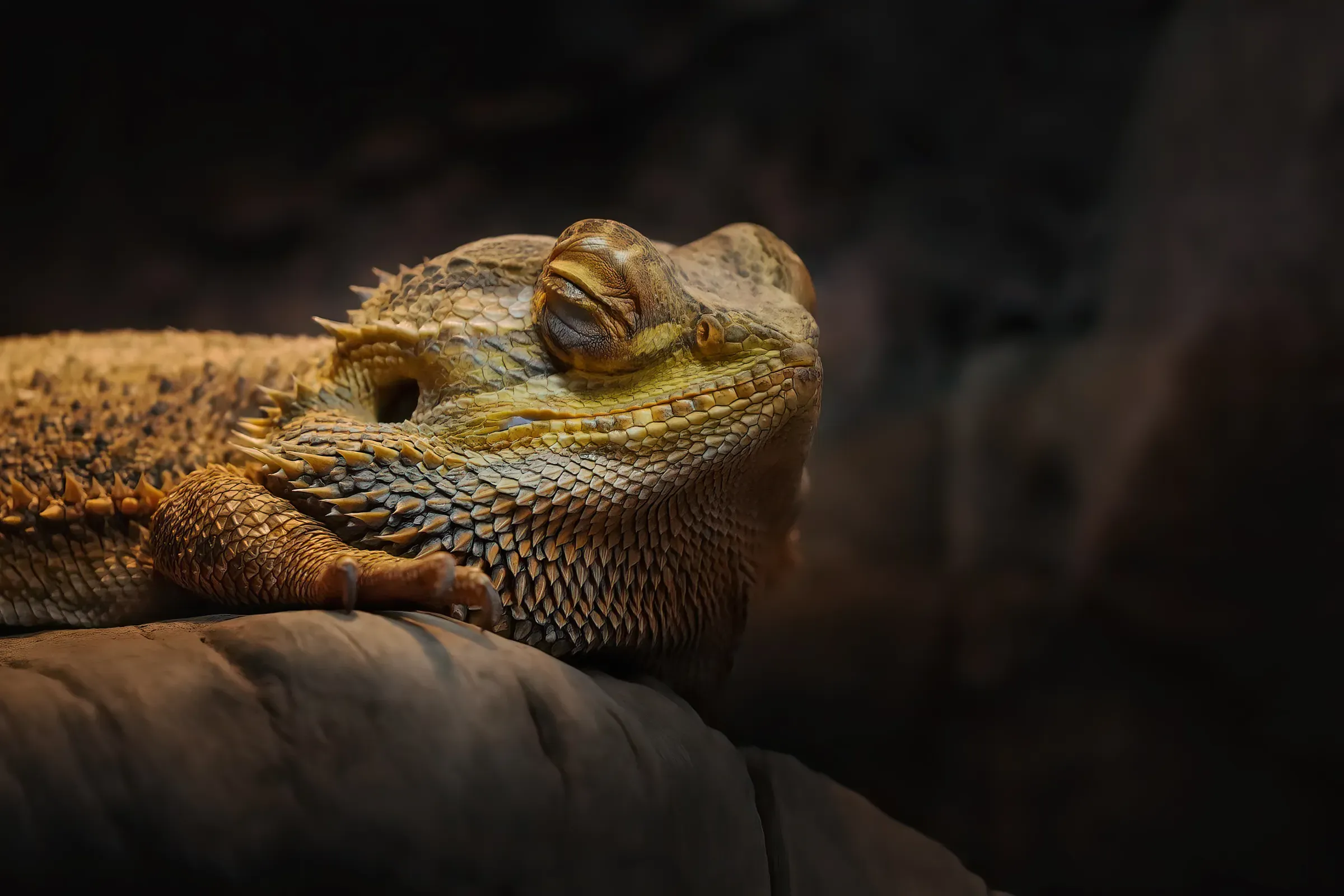
Reptile (lizard) - Australian Bearded Dragon (Bearded Agama) is sleeping at terrarium, reptile supplies ecommerce
Reptile suppliesKeepers of bearded dragons, leopard geckos, crested geckos, ball pythons and tortoises, from a first-enclosure beginner to a breeder with a rack, who check species suitability, UVB output figures and enclosure dimensions, and trust the store whose advice matches what the keeper community says.

How reptile supplies makes money

Four levers, and what limits each one here

Revenue is traffic times conversion rate times order value times purchase frequency. In this niche each lever has its own ceiling.

Traffic

Traffic: the species setup page that specifies the whole habitat

Reptile searches start with the species and end with a part number: bearded dragon tank setup, best UVB bulb for a leopard gecko, ball python substrate for humidity, crested gecko diet, dubia roaches for sale, a PVC enclosure in a 4x2x2. The keeper community has strong opinions on every one of those, and a store whose advice contradicts the consensus is called out in the same forums it hoped to rank in. The traffic work is a setup page per species that specifies enclosure size, heat, UVB, substrate, hides and diet with the exact products linked, lighting and heat explainers with output and distance figures, feeder pages with size charts, and feed titles that carry the species and the specification.

Conversion

Conversion: right for my species, and will the feeders arrive alive

A keeper needs to know that a bulb, a heat source or a substrate suits their species and their enclosure before they buy it, and that live feeders will arrive alive on a day they can receive them. Conversion work is a species suitability line on every product, UVB output and recommended basking distance stated as figures, thermostat compatibility stated for every heat source, and enclosure dimensions in the first screen with the freight method. Feeder and frozen pages carry the ship days, the current weather hold, the packaging and the arrival policy above the button. A ship-day picker at checkout and an arrival guide sent with the tracking finish the job.

Order value

Order value: the enclosure build as one order

A new keeper needs eight to twelve products for a habitat and will buy them from one store if that store makes the list. Build kits per species and life stage (enclosure, UVB fixture and bulb, heat source, thermostat, substrate, hides, dish, supplements and a starter feeder pack) carry the first order, and an upgrade path from a juvenile enclosure to an adult one carries the second. Feeders sell in bulk counts with a per-insect price shown beside the small tub, frozen rodents in packs by size, and supplements as a calcium and multivitamin pair. Freight for enclosures is priced into the kit so the total is visible before the cart.

Frequency

Frequency: UVB decays, feeders run out, calcium empties

Reptile consumables run on cycles the keeper often forgets. A UVB bulb keeps glowing after its useful output has fallen, so a replacement reminder by bulb type at six to twelve months sells a product the keeper genuinely needs. Feeder insects run out weekly or fortnightly and suit a subscription computed from animal count and size. Frozen rodents follow a monthly cycle that steps up in prey size as a snake grows, so the reorder message should offer the next size at the right age. Calcium and vitamin powders empty on a schedule too. Expo buyers get a follow-up with the setup list for the species they bought, which brings the rest of the build to the store.

Search visibility

SEO for reptile stores: species setups, lighting and heat guides, and feeder pages with sizes

Reptile search demand is organized by species, and so should the store be. A setup page for each species covers enclosure size by life stage, temperature gradient, UVB requirements, substrate, humidity, hides, diet and supplements, with the exact products linked at each step. These pages rank for the setup queries, earn links from keeper forums when the advice matches the community's consensus, and pass authority to the equipment pages they name.

Lighting and heat guides are the second layer: how UVB output relates to distance, why bulbs need replacing before they go dark, how a thermostat controls a heat source, and how to measure the basking spot. They rank for the questions keepers ask after the first month and sell replacement bulbs and thermostats to people who did not know they needed them. Feeder pages carry size charts by prey and by animal, the ship days and the arrival policy as text, and frozen rodent pages carry size, count and packaging.

Technically, species filters on equipment must be indexable collections, enclosure sizes and bulb wattages are variants of one product, live and frozen goods on a weather hold stay indexed with a notify option, and the setup guides live on the store domain rather than on a separate blog so their authority reaches the products.

Queries that matter

  • bearded dragon tank setup for beginners
  • best UVB bulb for leopard gecko
  • ball python substrate for humidity
  • crested gecko complete diet powder
  • dubia roaches for sale online
  • PVC reptile enclosure 4x2x2
  • how often to replace reptile UVB bulb

Species setup guides that list the exact products, lighting and heat explainers with output and distance figures, and feeder pages with size charts rank in this niche. Generic Reptile Supplies categories and manufacturer descriptions do not, and the keeper community will call out advice that contradicts theirs.

AI answers

AI answers: what setup for this species, and when to replace the UVB

Keepers ask assistants what UVB a bearded dragon needs and how far from the basking spot, how often a reptile UVB bulb should be replaced, what size feeder insects a juvenile leopard gecko takes, and which substrate holds humidity for a ball python. The stores that get cited publish species setup pages with figures rather than adjectives, state UVB output, distance and replacement interval as text on the bulb page, give feeder size charts by animal and life stage, and keep their advice consistent with the keeper community an engine will cross-check. Product markup that validates and an About page naming who writes the care content are what make a reptile store quotable.

What UVB bulb does a bearded dragon need and how far from the basking spot?
How often should a reptile UVB bulb be replaced?
What size feeder insects should a juvenile leopard gecko eat?
Which substrate holds humidity for a ball python?

Questions shoppers put to assistants. A store gets named when its pages answer them in plain text.

Google Shopping and Merchant Center

Merchant Center for reptile supplies: equipment in the feed, live and frozen goods handled apart

Reptile equipment is a clean feed when the attributes are right. Branded lighting, thermostats and heat sources carry the GTIN. Product_detail carries species suitability, UVB output, wattage, enclosure dimensions and thermostat compatibility, because those are the specifications keepers search for. Google_product_category sits at the reptile and amphibian supplies node. Enclosures ship by freight and need a freight rule in Merchant Center that matches checkout, since an enclosure shown with parcel shipping in an ad and freight at the cart is a mismatch that risks the account.

Live feeders and frozen rodents are the complication. Feeder insects are animals under Meta's commerce policies and stay out of the synced catalog. In Merchant Center, live and frozen goods carry ship-day, weather-hold and dry-ice surcharge rules that produce shipping and availability mismatches if they sit in the main feed, so they go in their own feed with regional availability and their own rates, or stay out of Shopping and sell through organic search and email. Bulb and supplement descriptions that claim to prevent metabolic bone disease drift into healthcare language and are rewritten to describe output and formulation.

Campaigns split into build kits and enclosures bid to their order value, lighting and heat bid to margin with replacement-bulb terms as their own ad groups, and consumables in a replenishment campaign. Free listings are audited for the freight and hold issues above.

Feed attributes that decide eligibility

  • product_detail for species suitability and UVB output
  • shipping_weight and freight rules for enclosures
  • gtin for branded lighting and thermostats
  • google_product_category at the reptile and amphibian supplies node
  • availability by region for weather-held feeders and frozen goods
  • custom_label for build kit versus consumable

Disapprovals we see in this niche

  • Dry-ice and overnight surcharges for frozen rodents missing from the shipping rates
  • Live feeders marked available during a temperature hold
  • Enclosures listed with parcel rates that checkout replaces with freight
  • Bulb or supplement descriptions that claim to prevent metabolic bone disease

Meta and social ads

Meta ads for reptile stores: the build, the basking spot and the feeder box

Reptile creative sells competence. An enclosure build from flat-pack to a basking dragon with every part named, a UVB meter reading at the basking spot comparing an old bulb with a new one, a feeder box opened with the count and size shown, a humidity check in a ball python enclosure with the substrate named, and a keeper's rack tour with the thermostat wiring explained all show the store knows the hobby. Keepers share this content in their own communities when it is accurate, and dismiss it when it is not.

The constraints are welfare and the catalog. Live feeder insects and rodents are animals under Meta's commerce policies and stay out of the synced catalog; equipment, substrate, supplements and frozen goods where permitted carry the ads. Imagery of reptiles in undersized or poorly lit enclosures is refused and, more importantly, discredits the store. Audiences start with equipment buyers for the replacement-bulb offer, then broad prospecting by species creative. Keeper clips need written rights.

  • An enclosure build from flat-pack to basking dragon with every part named
  • A UVB meter reading at the basking spot, old bulb versus new
  • The feeder box opened with the count and size shown
  • A humidity check in a ball python enclosure with the substrate named
  • A keeper's rack tour with the thermostat wiring explained

Policy line

Live feeder insects and rodents are animals under Meta's commerce policies and stay out of the catalog, no imagery of reptiles in poor condition or undersized enclosures, and no claims that lighting or supplements prevent disease.

Conversion and the store

The store: right for this species, sized for this enclosure, alive on arrival

Equipment pages open with the specification a keeper is checking: species suitability, UVB output and recommended distance for bulbs, wattage and thermostat compatibility for heat sources, internal dimensions and freight method for enclosures. A species selector at the collection level that filters to suitable products does more for conversion than any layout change. The build kit is linked from every species setup page and every enclosure page, with the total including freight shown before the cart.

Feeder and frozen pages carry the ship days, the current weather hold, the packaging, the count and size, and the arrival policy above the button, with a ship-day picker at checkout. Bulb pages state the replacement interval and offer a reminder signup. On mobile, the specification block, the freight line and the ship-day information decide the order; the image gallery does not.

Objections the page must answer

  • “Is this right for my species and life stage”
  • “Will this UVB bulb be strong enough at my basking distance”
  • “Will the feeders arrive alive and on which day”
  • “Does this enclosure fit the space and what is the freight”
  • “Will this thermostat work with my heat source”

Email, SMS and retention

Email and SMS for reptile stores: the UVB clock, the feeder cycle and the growth path

An enclosure or kit order starts a build guide: the order to assemble things in, target temperatures and how to measure them, humidity, and what the first week looks like, which prevents the early mistakes that lead to returns and vet visits. Bulb buyers get a replacement reminder at the interval for their bulb type, which is the most reliable repeat purchase in the category and the one keepers most often miss.

Feeder subscriptions are computed from animal count and size and the reorder message arrives three days before the estimated run-out. Live and frozen orders get an SMS the morning they ship with the tracking and the weather note. Young snake and lizard owners get a prey-size step-up message every few months. Expo buyers get a follow-up a week after the show with the setup list for the species they bought. Win-back for lapsed feeder buyers asks about the animal rather than leading with a discount.

  1. Build and first-week guide

    On enclosure or kit order, before delivery

  2. UVB replacement

    Six to twelve months after a bulb order, by bulb type

  3. Feeder reorder

    Three days before the run-out computed from animal count and size

  4. Ship-day SMS

    Morning of each live or frozen shipment, with the weather note

  5. Prey size step-up

    Every three to four months for young snakes and lizards

  6. Expo follow-up

    One week after a show order, with the species setup list

Where revenue leaks

The leaks we find in reptile supplies stores

The Growth Analysis ranks these against your own numbers and says which to close first.

Get a Growth Analysis for your reptile supply brand
  • A bulb that has been dark for months and still glows

    The UVB bulb sold a year ago has lost its useful output, the keeper cannot see it, nobody reminds them, and the replacement is bought from wherever the forum thread links.

  • Feeders and enclosures on one shipping rule

    A flat shipping rate set for tubs of crickets is applied to a PVC enclosure, or the freight rule set for enclosures is applied to a bag of substrate, and either way the checkout figure and the Merchant Center figure disagree.

  • Live feeders in the Meta catalog

    The store's whole catalog syncs to Meta, the reviewer finds the dubia roaches, and the enclosure and lighting ads go down with them.

  • Setup advice that contradicts the keeper community

    A species page recommends an enclosure size or a heat source the community has moved away from. The page is quoted in a forum as an example of what not to do, and the store loses the audience it needed.

Platform notes

Where the platform changes the work

Shopify

Species suitability, UVB output and dimensions live in metafields that render on the page and map to product_detail; shipping profiles separate live, frozen, freight and parcel goods; a ship-day picker handles feeder deliveries; selling plans carry feeder subscriptions; and the feeder collection is excluded from the Meta sales channel.

WooCommerce

Global attributes for species and specification drive filters and indexable archives, shipping classes separate live, frozen, freight and parcel with their own rates, a delivery-date plugin handles ship days, and the feed plugin excludes feeders from any Meta export.

BigCommerce

Real-time freight quotes handle enclosures, custom fields hold the specification, and channel settings keep live goods out of the Meta catalog while the equipment feed runs normally.

Questions

Reptile supplies owners ask us

By CartKernel · Last reviewed

Can a reptile store advertise live feeder insects and frozen rodents?

Not through the Meta catalog, where live animals are excluded under the commerce policies, and only carefully in Google Shopping, where ship-day rules, weather holds and dry-ice surcharges make a mainstream feed listing a mismatch risk. We keep feeders and frozen goods in their own feed or out of paid catalogs, and sell them through organic search, the species pages and the feeder subscription flow, while equipment carries the paid budget.

How do you sell an enclosure online when freight costs as much as the product?

By stating the freight method and cost on the product page with the lead time, pricing the build kit so the total including freight is visible before the cart, and offering a smaller enclosure or a flat-pack option as the alternative. The freight rule in Merchant Center has to match checkout exactly, and the delivery experience needs a confirmation flow so the keeper is home when the pallet arrives.

What should a species setup page contain to rank and to sell?

Enclosure size by life stage, the temperature gradient and how to measure it, UVB type and distance, substrate and humidity, hides and furnishings, diet and supplements, and a common-mistakes section, with the exact product linked at each step and the build kit at the end. The advice has to match the keeper community's current consensus, because those keepers are the people who link to it or call it out.

How do you get keepers to replace UVB bulbs on time?

By stating the replacement interval on the bulb page and in the confirmation email, offering a reminder signup at purchase, sending the reminder at the interval for that bulb type with the same bulb pre-selected, and explaining in the lighting guide why a bulb that still glows may no longer be doing its job. It is the most dependable repeat purchase in the category once the reminder exists.

Should feeders be sold by subscription?

Yes, computed from animal count and prey size rather than from a default interval, with a skip option for brumation and a step-up prompt as the animal grows. The subscription needs its own shipping rule for live goods and a ship-day preference captured at signup. We report subscriber count, skips and step-ups as their own lines so the feeder business is visible apart from equipment.

Do reptile expos matter for an online store?

They matter as an acquisition moment. Keepers buy animals at expos and then build or upgrade habitats in the following weeks, so a show-order follow-up with the setup list for the species bought, and a search campaign on setup terms in the weeks after regional expos, catch that demand. Enclosure and kit orders cluster after shows in a way the rest of the year does not.

Grow your reptile supplies store.

A free Growth Analysis ranks what your store should fix first, by revenue at stake, in about a week.