Skip to content

Fashion & apparel · ecommerce growth

Denim brand marketing agency

Jeans are searched by fit name and returned by an inch. Someone types straight leg, high rise, 32 inseam and expects the store to know exactly what those mean on their body, and if the size guide is a chart of waist labels rather than garment measurements they will buy two sizes and send one back. We build denim brands around fit: fit-name and inseam pages that rank, garment measurements and stretch data on every page, feeds that declare size type and system properly, and flows that bring a customer back for the same fit in a different wash.

The buyer, in brief

Consideration
Minutes for a repeat buyer who knows their size, days to weeks for a first-time buyer comparing fits
Purchase frequency
Two to four pairs a year, concentrated when a favourite pair finally wears through
Seasonality
Steady with a lift in autumn as heavier weights return, plus back-to-school and holiday gifting peaks
Price band
Wide, from accessible to premium selvedge, with the premium end defended by fabric and construction
Return risk
Among the highest in apparel, almost entirely about waist, inseam and rise rather than about the product itself
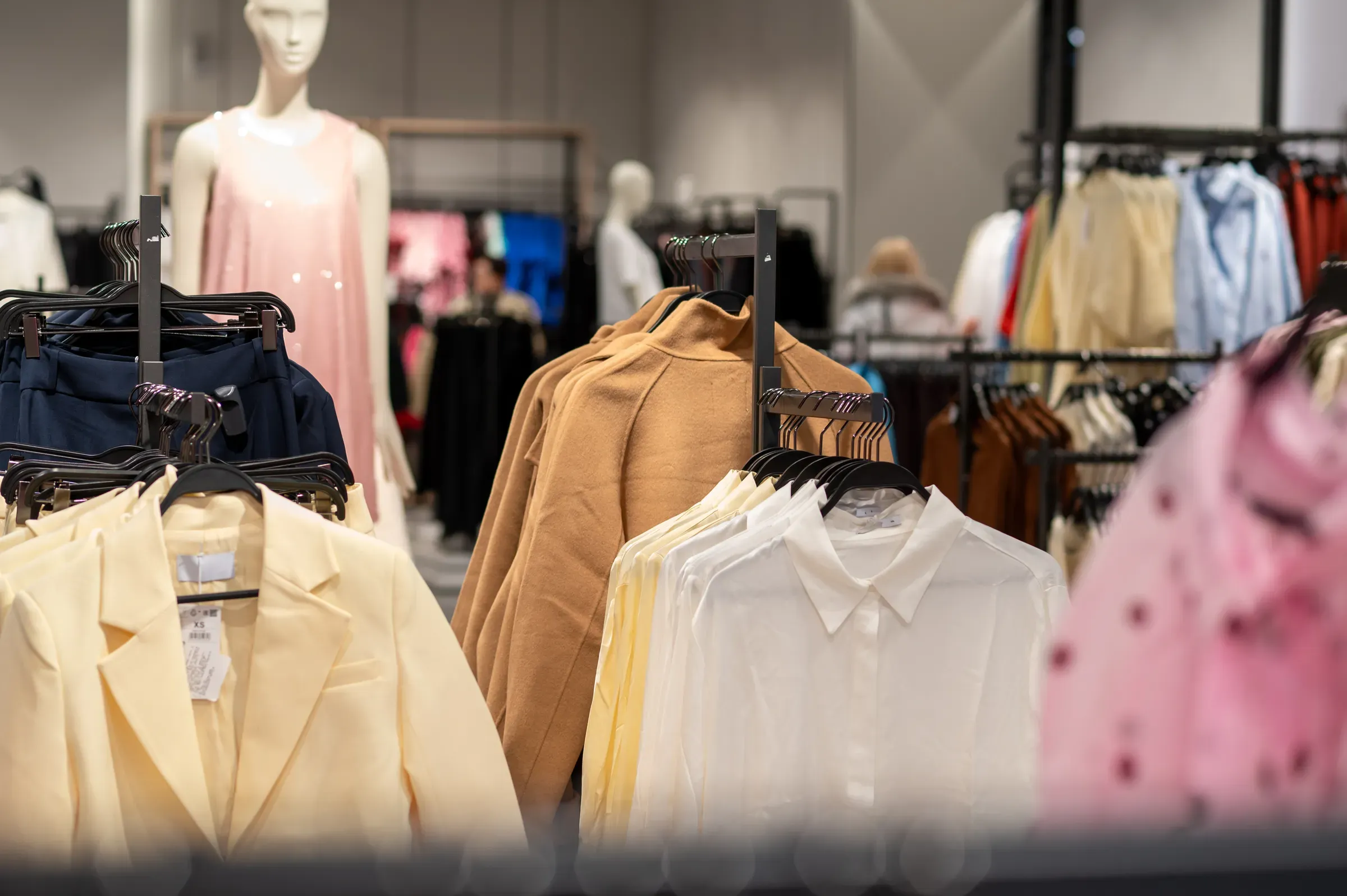
Fashion Retail Store Interior with Pastel Blazers and Shirts on Racks in Modern Clothing Boutique, denim ecommerce
DenimShoppers who know the fit name they want and often the brand and size that last worked, who check inseam, rise and stretch content, and who read reviews for whether a style runs small before ordering.

How denim makes money

Four levers, and what limits each one here

Revenue is traffic times conversion rate times order value times purchase frequency. In this niche each lever has its own ceiling.

Traffic

Traffic: the fit name is the category

Denim demand is organised by fit and measurement, not by collection. People search straight leg jeans, wide leg high rise, bootcut with a 34 inseam, relaxed taper, barrel leg, and they add a wash, a rise or a length to the query. A store with one jeans page and colour filters is invisible to almost all of it. The traffic work is a page for every fit the brand actually sells, with copy explaining where it sits on the body, how it wears with different footwear and who tends to prefer it, plus length and rise collections for the inseam and rise queries. Wash names earn pages when they carry search demand of their own.

Conversion

Conversion: garment measurements beat a size chart

Denim conversion is a measurement problem. A label size means nothing across brands, so the page has to give the actual garment measurements for every size: waist laid flat, front and back rise, thigh, knee, leg opening and inseam, plus the stretch percentage and how much the fabric relaxes with wear. A fit comparison against the brand's other styles helps, as does a note on whether the style runs small. The most useful single addition is usually a way for the shopper to enter the measurements of jeans they already own and be shown the closest match. Model height and the size worn belong on every image, since that is what people calibrate against.

Order value

Order value: the second pair in a fit that works

Once a fit is right the second pair is easy, and that is where the basket grows. A two-pair offer presented after the fit has been chosen, the same fit in a different wash shown side by side, and the top or jacket that completes the look all raise the order. Hemming or tailoring offered as a paid service adds value and removes the inseam objection at the same time. Denim care products and repair kits are small attachments that suit a premium brand. What does not work is a broad discount, since it teaches customers to wait and does nothing about the fit question that is actually blocking the sale.

Frequency

Frequency: fit loyalty is the retention programme

Denim has an unusually strong repeat pattern, because once a customer finds a fit that works they stop shopping the category and start shopping the brand. The store's job is to record the fit, size, inseam and wash that were kept, then use it. A new wash in the same fit, a restock in their exact size, and a replacement prompt timed to how long a pair typically lasts a regular wearer are all specific messages rather than newsletters. The other frequency driver is repair, since offering to fix a worn hem or a blown seam keeps a premium customer loyal and creates a reason to be in touch between purchases.

Search visibility

Search: fit pages, inseam and rise collections, wash names

Fit names are the primary structure. Straight, slim, skinny, bootcut, wide leg, relaxed, tapered, mom, barrel and whatever the brand calls its own blocks each need a collection with genuine copy: where the fit sits on the waist, how it falls over the thigh and knee, what leg opening to expect and what footwear it works with. Those pages compete on explanation, because the products behind them are similar across the market and the writing is what differentiates.

Length and rise are the second axis and they are heavily searched. Collections for a 30, 32 or 34 inseam, for high rise, mid rise and low rise, and for petite and tall grading answer queries that most denim stores leave to filters. Sizing guidance is the third layer, and a page explaining how to measure a favourite pair and translate it into your sizing will rank and reduce returns at the same time.

Technically, washes and lengths are variants on one canonical product URL rather than separate products, and filtered views by size or inseam should not be indexed. Where a fit is renamed or discontinued, the page should be kept and redirected thoughtfully rather than dropped, because fit names accumulate search equity over years.

Queries that matter

  • straight leg jeans womens
  • high rise wide leg jeans 32 inseam
  • mens relaxed taper jeans
  • jeans that fit big thighs
  • selvedge denim raw shrinkage
  • difference between slim and skinny jeans
  • tall jeans 36 inseam

Fit pages written by someone who understands blocks and grading, inseam and rise collections, and a real measuring guide rank here. A jeans grid with a filter menu does not.

AI answers

AI answers: fit translation between brands

The questions assistants get about denim are translation questions. Which fit is closest to a pair someone already owns, what the difference between slim and tapered actually is, whether a style will fit larger thighs, how much raw denim shrinks, and which brands make a 36 inch inseam. Stores get cited when garment measurements are published as text per size rather than trapped inside an image, when fit descriptions use the vocabulary shoppers use, and when stretch content, rise and leg opening are stated plainly. We publish the measurement tables as real text, keep the fit language consistent across page, feed and structured data, and answer the comparison questions directly on the fit pages.

What is the difference between slim fit and tapered jeans?
Which jeans fit larger thighs without being baggy?
How much will raw selvedge denim shrink after washing?
Which of these fits is closest to my current jeans?

Questions shoppers put to assistants. A store gets named when its pages answer them in plain text.

Google Shopping and Merchant Center

Google Shopping and Merchant Center for waist, inseam and wash

Denim is where apparel feed attributes earn their keep. Size has to express both the waist and the length in the way shoppers search, size_system says whether the number is a waist in inches or an alpha size, and size_type separates regular from petite, tall, plus and big. Without size_type a 32 tall and a 32 regular collide in the same listing and the wrong garment gets served. Color should carry both the wash name and a base colour Google understands, since nobody searches for the poetic name but the brand still wants it visible. Material carries the cotton and elastane percentages, which is a genuine buying factor here.

Item_group_id ties every wash and length of one style together so the listing shows the variant that matches the query, and price and availability must be right for every variant rather than for the default one. Titles carry the fit name, the rise, the wash and the inseam, because those are the words in the query.

Campaigns are structured by fit and by margin, with core fits bid to their real contribution after returns rather than to gross revenue, since a fit with a high return rate can look profitable in the platform and lose money in the accounts.

Feed attributes that decide eligibility

  • size carrying waist and inseam
  • size_system
  • size_type for tall, petite, plus and big
  • color with wash name and base colour
  • material with cotton and elastane percentages
  • item_group_id across washes and lengths

Disapprovals we see in this niche

  • Missing size_type so extended lengths collide with regular sizes
  • Variant level price or availability mismatch
  • Incorrect size_system between markets
  • Missing required apparel attributes on new season styles

Meta and social ads

Meta and social ads: fit shown on several bodies, moving

Denim creative has one job: show how the fit actually falls. Video of the same style on several body types, with each person's height and size stated, walking and sitting rather than posing, does more than any studio still. Side-by-side comparisons between two of the brand's own blocks help shoppers who cannot picture the difference. Detail footage of the fabric, the hardware and the stitching supports a premium price, and content about raw denim ageing performs well with the enthusiast audience.

Prospecting broad with strong creative works better than interest targeting here, and retargeting should show the exact wash the visitor viewed. Creator content is native to the category, but rights must be documented before the ad runs. Copy should describe the garment rather than the body wearing it, since framing that comments on a viewer's shape runs into the personal attributes rules.

  • The same fit on several bodies with heights and sizes stated
  • Two of your own fits compared side by side, walking
  • Sitting, bending and pocket use to show real stretch
  • Raw denim after six months of wear
  • Fabric, hardware and stitching in close detail

Policy line

Creative must not imply anything about the viewer's body or shape, and fit claims should describe the garment rather than promise a body outcome.

Conversion and the store

The store: measure once, buy once

The product page has to let a shopper size themselves accurately without owning the jeans. That means a garment measurement table for every size rather than a body-measurement chart, with waist laid flat, rise, thigh, knee, leg opening and inseam. Add the stretch percentage, how much the fabric gives after an hour of wear, and a plain statement about whether the style runs small. Model height and the size worn go on every image. A tool that matches the measurements of a favourite pair to the closest style is the single strongest addition most denim stores can make.

The second job is to make the length decision easy. Offering multiple inseams, showing where a hem falls on a stated height, and providing a paid hemming service remove the most common reason a pair goes back. On mobile the size selector, the measurement table and the returns terms all need to be reachable quickly, and the exchange path should be easier than the refund path so a fit problem becomes a swap rather than a lost sale.

Objections the page must answer

  • “Which size am I in this brand's sizing”
  • “How long is the inseam and where will it sit on me”
  • “Will it fit my thighs and my waist at the same time”
  • “How much does the fabric stretch and does it stay stretched”
  • “Will these look like the photograph on someone my height”
  • “How do I exchange for a different size without paying twice”

Email, SMS and retention

Email and SMS: the fit on file, the new wash and the worn-out pair

Everything valuable in denim email depends on knowing what the customer kept. Once the fit, size, inseam and wash of a kept pair are recorded, the messages become obvious: a new wash in that fit, a restock in that exact size, a tall or petite length arriving, and a replacement prompt timed to how long a regularly worn pair lasts. That single data point turns a broadcast list into a segmented one.

Around it sit the flows that reduce cost. A post-purchase note on first wash and care protects the garment and the fit. An exchange-first message after a return request keeps the revenue in the store. A fit survey sent a few weeks after delivery collects the review content that helps the next shopper, and asks the reviewer's usual size so the review is actually useful. SMS suits restock alerts in a specific size, where speed matters and the message is genuinely wanted.

  1. Fit and care after the first wash

    Ten days after delivery

  2. New wash in the fit you kept

    On launch, segmented by the fit and size on file

  3. Back in stock in your size

    When the exact waist and inseam return, by SMS where opted in

  4. Exchange before refund

    Immediately after a return is started

  5. Replacement prompt

    Nine to eighteen months after purchase, by wear pattern

Where revenue leaks

The leaks we find in denim stores

The Growth Analysis ranks these against your own numbers and says which to close first.

Get a Growth Analysis for your denim brand
  • A body chart where a garment chart belongs

    The size guide converts a waist measurement into a label instead of publishing the jeans' own measurements, so shoppers order two sizes and the return rate gets treated as normal.

  • One inseam for every height

    Offering a single length forces customers to hem or return, and the query volume for specific inseams goes to brands that grade properly.

  • Fit names hidden inside filters

    Straight, tapered and wide leg exist only as filter options, so the exact terms the category is searched by have no page that can rank.

  • Returns averaged across the range

    A single style with a grading fault sits inside a blended return rate, so it keeps selling and keeps losing money on every order.

  • Refunds easier than exchanges

    A customer with a fit problem is offered a refund path in two clicks and an exchange path in six, so the revenue leaves over one inch.

Platform notes

Where the platform changes the work

Shopify

Garment measurements per size live in metafields so one table drives the page, the fit finder and the feed. Variants should cover wash, waist and inseam on one product, and the exchange flow needs configuring so a size swap is easier than a refund.

WooCommerce

Global attributes for fit, rise, inseam and wash drive filters and indexable archives, and variation-level pricing and stock must reach the feed so a length that is sold out is not still being advertised.

BigCommerce

Variant-level inventory across waist and inseam combinations needs careful setup so the feed reflects each one, and faceted search requires canonical rules to keep size filters out of the index.

Questions

Denim owners ask us

By CartKernel · Last reviewed

What actually reduces denim returns?

Publishing the garment's own measurements for every size, offering more than one inseam, stating whether a style runs small, showing model height with the size worn, and making an exchange easier than a refund. Then measuring returns by style, size and length so a grading fault in one block becomes visible rather than hidden inside an average for the range.

Should every fit have its own collection page?

Yes, wherever the fit has a name people search for. Straight, wide leg, tapered and bootcut are distinct queries with distinct buyers, and a page for each can explain where the fit sits, how it falls and who tends to prefer it. Filters alone leave those searches with nowhere to land, which is why the traffic goes elsewhere.

Should washes be set up as products or as variants?

As variants on one product, with the wash selectable and images swapping. Splitting them into separate products fragments reviews, dilutes the page authority and multiplies the feed. The exception is a wash with meaningful search demand of its own, such as black jeans in a popular fit, where a dedicated collection can be justified alongside the variant.

What does size_type do for a denim feed?

It separates regular sizing from tall, petite, plus and big so Google does not treat a 32 tall and a 32 regular as the same garment. Without it, listings collide, the wrong length is served and the shoppers who most need extended grading cannot find it. Alongside size_system, it is what makes waist and inseam sizing legible to Shopping.

Is a fit finder tool worth building?

It is, when it works from the measurements of jeans the customer already owns rather than from body measurements they have to guess at. That version answers the real question, which is which of your fits is closest to the pair they like. A quiz about style preferences without measurements adds a step and does not change the return rate.

How do you grow a denim brand where every competitor sells a similar product?

By owning the explanation. Fit pages that describe blocks and grading properly, measurement data nobody else publishes, honest comparisons between your own fits, and content that helps someone translate from the brand they wear now. That earns the search demand and the trust at the same time, and it is defensible in a way a discount is not.

Grow your denim store.

A free Growth Analysis ranks what your store should fix first, by revenue at stake, in about a week.